Keep Spiders Out This Winter With Easy Prevention Tips
As weather cools down across Pennsylvania, it’s not just people heading indoors for warmth. Spiders follow the same instinct. When December rolls through, it often brings spiders along with it. They look for places where they can stay warm, quiet, and hidden.
Our homes offer all three of those, which is why it's common to spot them showing up in unexpected places this time of year. Under sinks, in basement corners, behind boxes in the garage, these are all favorite hideouts. If you're looking for a way to stay ahead of the problem, a few simple changes can help over time. It also helps to understand
how spider control actually works and when it's needed. In areas like Lancaster County, many homeowners notice spider activity increase in the fall and early winter as more spiders move indoors for shelter.

They Need Warmth
Cold temperatures force spiders indoors as they search for safe, warm spaces.

They Follow Food
Where insects go, spiders follow — especially in basements, garages, and kitchens.

Dark, Quiet Areas
Spaces that see little activity become perfect winter shelters for spiders.
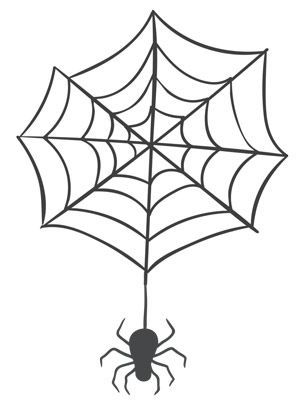
Why Spiders Enter Homes in Colder Months
Most spiders don't want to be inside, but colder months often give them no choice. As outdoor temperatures drop, survival depends on finding a warm place to hide. Houses, sheds, and garages offer all the cover they need, especially in areas that stay dark and quiet most of the day.
Basements, attics, and closed-off guest bedrooms make perfect shelters. These spots don’t get much foot traffic, which makes it easy for spiders to settle in without being noticed. And while they might show up alone at first, where one hides, others often follow. In Lancaster County and the surrounding parts of Central Pennsylvania, spider populations tend to peak in the fall, then many of those spiders start moving inside as the weather continues to cool.
Another reason spiders move in during winter is to chase food. If insects find a way inside, spiders won’t be far behind. Houses that already have bugs hiding out in damp corners or pantry cracks become a strong target. Most spiders are hunters. If they know food is nearby, they’re more likely to stick around.
Common Attractants Found Inside the Home
It doesn’t always take a big mess to attract spiders. Everyday things found in homes across Pennsylvania can accidentally invite them to stay. The key is spotting which of those things may be creating the kind of environment spiders like.
Here are some
common indoor conditions that can draw spiders in and make them stay:
- Damp areas, like basements, bathrooms, or under sinks, which can also attract other bugs spiders feed on
- Stacks of cardboard boxes, clothing piles, or crowded storage shelves that give spiders easy places to hide
- Bright outdoor lights near doors or windows that pull in flying insects at night, attracting spiders that follow prey
Once they’re inside, removing them can be harder than expected, especially if several of these attractants are present in the same area. That's when prevention becomes more helpful than reaction.
Natural Ways to Deter Spiders Without Harsh Chemicals
For homeowners who prefer to skip strong sprays or foggers, there are several simple ways to lessen the chance of spiders moving in. These steps won’t eliminate the risk completely, but they can lower the chances of a spider hiding out where you least expect them.
Start by keeping your indoor space consistently clean and dry. Vacuuming regularly, especially under furniture and along walls, helps remove webs, eggs, and any insects spiders may be chasing. Focus on tucked-away spots like closets, under appliances, and around baseboards.
Next,
seal up access points that might let spiders sneak in. Check around window frames, exterior doors, crawl spaces, and garage doors. Patch up cracks in walls or floors where drafts come through. Spiders don't need much room to squeeze inside.
Some people find natural scents helpful, too. While not guaranteed to work long term, smells like peppermint, citrus, or vinegar have been reported to make certain areas less welcoming. A few drops of oil near window sills or along door frames can make a difference when used as part of a broader spider-reduction habit.
Keystone Pest Solutions notes that some homeowners use essential oils such as peppermint, tea tree, or lavender, or a simple vinegar and water spray around entry points, but these natural options do not offer the same reliable results as a
targeted professional spider treatment.
Keep It Dry and Clean
Vacuum regularly, especially along walls, under furniture, and in closets.
Seal Entry Points
Close gaps around doors, windows, crawl spaces, and garage seals.
Use Natural Scents
Peppermint, citrus, or vinegar may help make areas less welcoming.
Reduce Clutter
Spiders thrive in hidden areas — remove boxes and unused storage items.
When to Consider Professional Help for Spider Control
Sometimes, despite best efforts, spiders return again and again. If you’ve sealed up visible gaps, cleaned every corner, and still notice spiders day after day, it might be time to take another step.
Spotting several spiders in the same week is rarely random. It’s possible there’s a larger number hiding somewhere nearby, especially during colder weather when their outdoor options are limited. This makes it harder to control the issue without dedicated inspection and follow-up.
At this point,
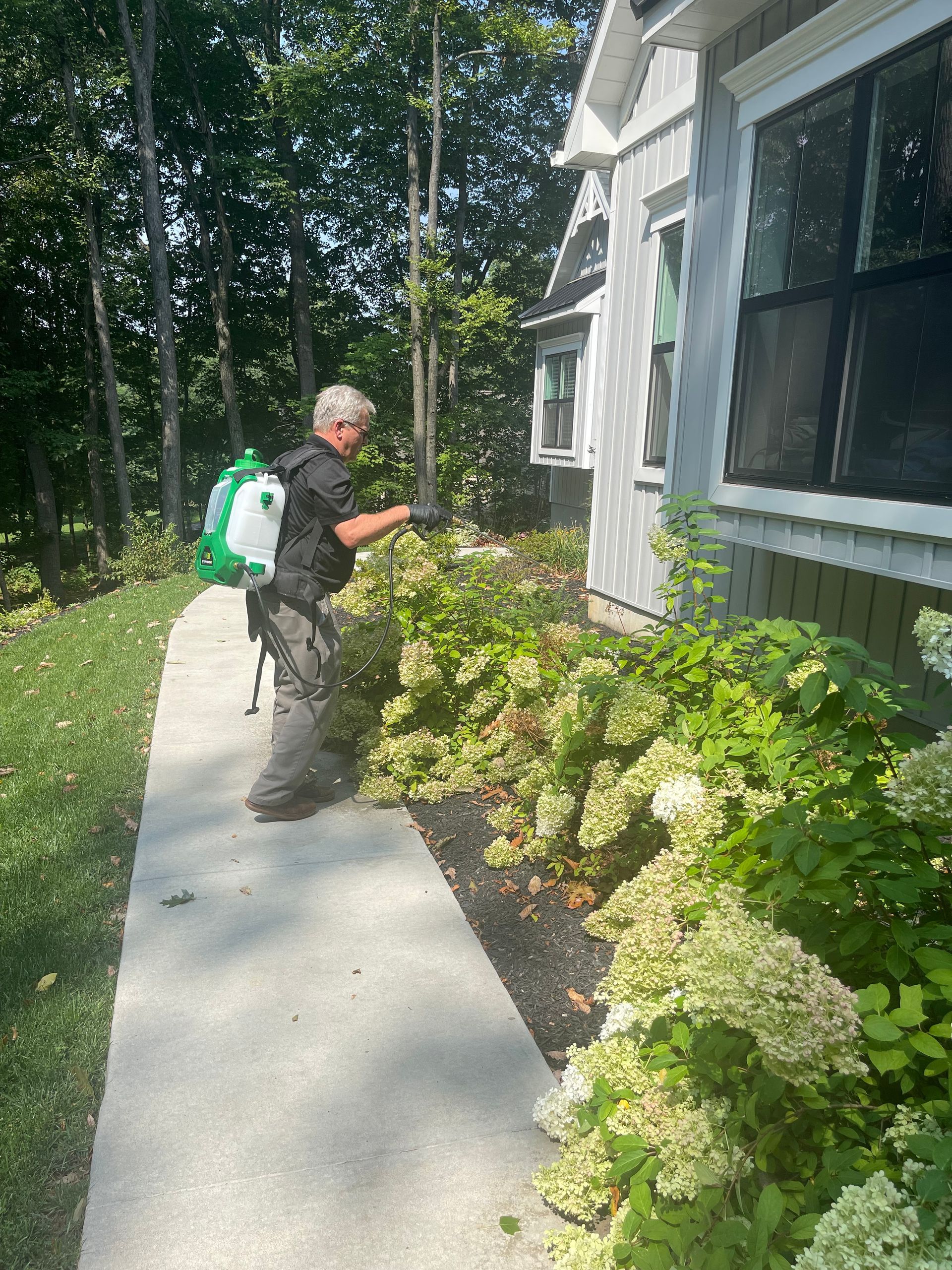
professional spider control might be a better route. Trained specialists know where to look for hidden entrances and often spot what others miss. They can help identify the source of the problem, whether it's coming from excess moisture, active insect issues, or gaps you didn’t know were open.
When spiders become common across multiple rooms, or when webs keep showing up after cleaning, outside help offers peace of mind and longer-term results without guesswork.
Keystone Pest Solutions serves homes in Mount Joy, Pennsylvania
and across Lancaster County with spider extermination as part of its pest control services. For many local homeowners, the Quarterly Pest Control Program, which includes four services per year for pests such as spiders, common household insects, mice, rats, and meadow voles, provides year-round coverage with service plans starting at $35 per month.
Your Home Can Stay Spider-Free All Winter
Spiders can be part of the winter mix whether you're ready or not. But knowing why they show up, what they’re looking for, and how to make your space unattractive to them can shift the odds in your favor.
A home that stays clean, well-sealed, and free from clutter has fewer hiding spots and far less appeal. Keeping up with small habits like vacuuming, removing boxes you don’t use, and checking for tiny entry points can make a big difference over time.
And when things start to feel like they’re out of your hands, it’s ok to bring in support that knows what spiders respond to in winter. The earlier the problem is handled, the better chance you have of keeping your home quiet and spider-free all season.
Spiders can quickly go from an occasional nuisance to an ongoing problem, especially during the cold Pennsylvania winters. At Keystone Pest Solutions, we know how important it is to keep your home comfortable and worry-free. While regular cleaning and sealing help, persistent issues often need targeted solutions. Discover how our approach to
spider control can make your home feel safer and more peaceful. Give us a call today to discuss what’s happening on your property.
With deep experience throughout Lancaster County and surrounding Pennsylvania communities, Keystone Pest Solutions brings local expertise, proven methods, and a reputation homeowners can trust.
Stay proactive and don't wait until a minor concern becomes a bigger problem.
Schedule an inspection with us today.
Signs You May Need Professional Spider Control
- Seeing several spiders in the same week
- Webs returning within days of cleaning
- Spider activity spanning multiple rooms
- Persistent moisture or insect issues indoors