Winter Lawn Protection: Stop Voles Before Spring Thaws
Quick Summary / TL;DR
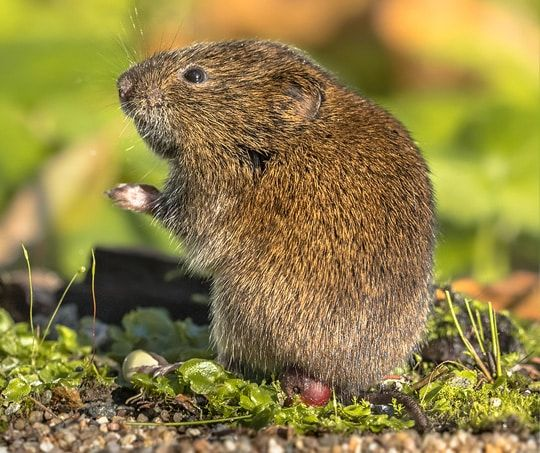
Voles stay active under snow, carving shallow runways and chewing grass, roots, and bark — the damage usually shows up after the thaw.
What’s happening
Voles tunnel just below the surface, using snow as cover to feed without being seen.
What it damages
Grass and roots in winding lines — plus bark at the base of young trees and shrubs.
What to do now
Reduce cover (leaves/mulch), trim back growth, and watch edges for trails or gnawing.
Tip: Snow hides activity — quick checkups near woodpiles, sheds, stone borders, and fence lines help catch vole traffic early.
When snow starts to cover the ground in Pennsylvania, lawn care is usually the last thing on most people’s minds. But even in the cold, there’s still trouble happening right under the surface. Voles stay active all winter long and can do plenty of damage before spring ever shows up.
These small rodents tunnel beneath the snow, chewing through grass and roots as they go. Frozen lawns don’t stop them. In fact, the snow gives them even more cover to keep moving without being noticed. That’s why vole removal isn’t just a warm-weather job. Knowing what they’re after and how to keep your property less appealing during the winter makes all the difference when it’s time to help your lawn bounce back in the spring.
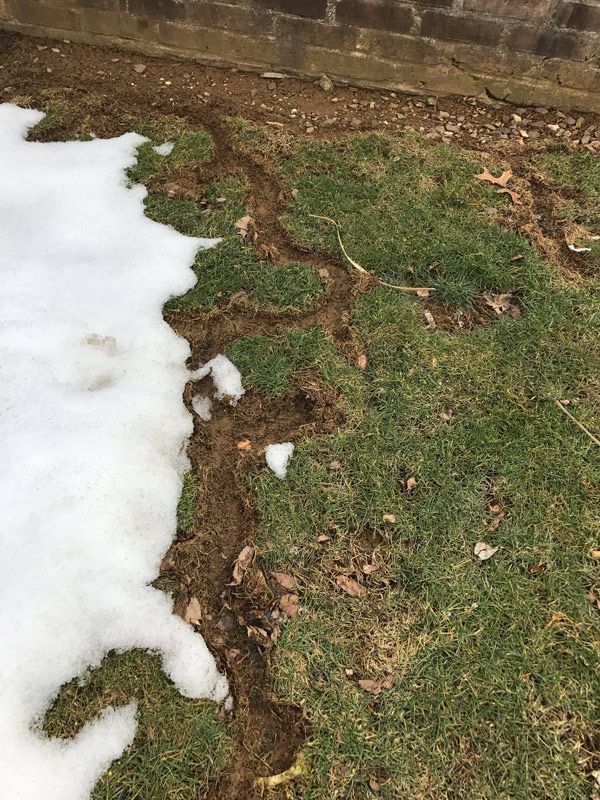
How Voles Cause Damage Beneath the Snow
Voles are excellent at going unnoticed. Unlike moles that dig deeper tunnels, voles stay close to the surface. When snow covers the grass, they use that extra layer of insulation to travel and feed without being seen.
What’s happening underneath can lead to surprising damage. Voles:
Chew low plant stems, roots, and bark near tree bases
Create long, shallow tunnel-like runways just beneath the snow
Leave patches of dead grass, especially in connected winding lines
The worst part is that most of this damage isn’t obvious until the snow begins to melt. By then, the grass is browned, young trees may be chewed at the base, and whole sections of your yard can look worn out or patchy. That’s why stopping the problem early matters so much in colder months. It’s harder to undo the harm once it’s already done. In Pennsylvania, common species like meadow voles, pine voles, and woodland voles can all create these runways and feed on roots, bark, and plant material around lawns and landscaped areas.
Why Your Yard Might Be Inviting to Voles in Winter
Not every snowy yard becomes a winter home for voles. But certain things can make your outdoor spaces a lot more appealing without you even realizing it. Voles look for shelter, warmth, and food. Our own habits sometimes help provide all three.
Here’s what often invites them in:
Thick mulch or piles of leaves left on the lawn offer hiding spots
Overgrown grass and untrimmed shrubs protect them from predators
Compost bins, stored firewood, and full bird feeders give easy meals
When snow falls over these areas, it becomes even harder to spot activity. The snow acts like a blanket, covering up the signs and giving voles room to tunnel without being seen. That makes it tough to catch the problem until there’s already damage below. Keeping these hiding places in check before winter hits can help steer voles in the other direction.
Common winter “welcome signs” for voles
Voles look for cover + food. These spots become extra attractive once snow blankets the yard.
Leaf piles & thick mulch
Creates hidden corridors and nesting cover near lawns and beds.
Overgrown edges
Long grass, untrimmed shrubs, and fence lines protect them from predators.
Woodpiles, sheds & stone borders
Quiet, sheltered zones that stay “tunnel friendly” under snow.
Easy food sources
Compost, fallen fruit, and heavy bird-feeding areas can boost activity nearby.
Small change, big impact: thinning cover before the first heavy snow can push voles elsewhere.
Everyday Prevention Tips to Protect Your Lawn
You don’t have to be outside every day to stop voles from setting up shop in your yard. A few prep steps before and during winter go a long way in keeping your grass and shrubs in better shape.
Start with seasonal yard cleanup. Before heavy snow hits, we recommend:
Raking up leaves and pulling back thick mulch layers
Cutting grass a little shorter, especially around fences and tree lines
Clearing out dead plant stems, fallen twigs, or rotting garden plants
Taking care of old brush and trimming back branches helps reduce easy cover where voles like to nest. Winter debris that sits untouched becomes a natural hiding zone.
During the season, check the edges of your property now and then. Look around places like shed foundations, woodpiles, or stacked stone borders. These quiet areas tend to offer protection that’s hard to see once snow settles. Catching any signs early gives you more time to take action before things get worse.
When to Look for Signs of a Tunnel Problem
Vole damage doesn’t always hit all at once. Often, it creeps up slowly and shows more clearly near the end of winter. Still, there are little signs you can watch for even when your yard is covered.
Here are some of the first clues:
Narrow surface trails that wind through the lawn in random paths
Browning or pressed-down grass showing where tunnels run underneath
Low tree trunks or shrubs with gnawed bark, often hidden by snow
If you notice several of these around the yard, especially in spots close to brush or borders, it’s usually a sign voles are nearby. We bring up vole removal with homeowners in cases like these, because leaving the problem alone until spring can make recovery harder. Lawns with repeated activity over multiple seasons are often slower to bounce back and take more work to repair.
Regular checks give you more control by spotting activity when it’s still manageable. A quick walk through now and then can make all the difference between a small fix and a wide area of damage.
Peace of Mind Through a Proactive Approach
Just because the ground is frozen doesn’t mean underground pests take time off. Voles keep moving and chewing through the season, even if we don’t see them at first.
Cold weeks can still bring warm-ups, and even the smallest windows can let active voles cause trouble across parts of your yard. Taking steps to clean up, remove shelter, and stay ahead of damage offers a better chance at keeping things intact until spring.
No year is the same, but patterns are common. Over time, we’ve seen how being proactive about winter prevention often leads to fewer surprises and faster recovery during the growing season. Frozen doesn’t mean forgotten. And when we look out for the small things now, our lawns thank us later. When professional vole control is needed, services often rely on tamper-resistant bait stations with professional-grade rodenticide and specialized vole traps placed along active runways and burrow openings to reduce vole populations while helping keep people, pets, and non-target wildlife safer.
Voles remain active throughout the colder months, so taking timely action is key to protecting your yard from ongoing damage. Our team at
Keystone Pest Solutions combines experience with proven methods to locate vole activity and stop issues before they get worse. Learn more about our approach to
vole removal by reaching out to us today.
Winter Vole Prevention Checklist
Use this quick list to reduce cover, limit food opportunities, and catch tunnel activity early.
Before snow Prep the yard
Mid-winter Reduce “quiet zones”
Late winter Watch for signs
Note: If you’re seeing multiple runways or bark chewing, professional control is often the safest route (e.g., properly placed traps and tamper-resistant bait stations).
Do voles stay active in winter?
Yes — snow insulates the ground and helps them travel and feed under cover, so damage can build up before you notice it.
What does vole damage look like after the thaw?
Common signs include narrow winding trails, pressed-down grass in connected lines, and patchy browning where roots/stems were chewed.
When should I call a professional?
If trails are widespread, tree/shrub bark is being gnawed, or the problem returns year after year, it’s time to bring in a pro to reduce the population and prevent repeat damage.