Spotting and Solving Vole Tunnel Damage in Spring
Quick Summary / TL;DR
Spot vole tunnel damage early before spring growth hides it.
Narrow surface paths, small openings near beds, and stressed grass can all point to vole activity. Catching the signs early can help protect roots, bulbs, and fresh spring planting before the damage spreads.
- Surface runways
- Root and bulb damage
- Early action helps
When spring shows up in Pennsylvania, everything starts to thaw. The snow melts, the soil softens, and little changes in the yard start to stand out. One of them might look like narrow paths in the grass or strange bands of dead lawn. These could be signs of vole tunnels, and it's around this time of year that their activity becomes a lot more noticeable.
Voles stay busy while winter drags on, but they really make themselves known as the ground softens in March. That’s when we start seeing chewed areas, damaged plants, and hidden holes popping up around the yard. If any of that sounds familiar, it might be time to think about vole removal before new plants and fresh grass take hold. Knowing how and why these tunnels appear is a helpful first step.
Understanding Voles and Why They Tunnel
Voles are small, furry rodents that live mostly on plants. Unlike moles, which mostly eat insects and live a little deeper underground, voles hang out close to the surface. They dig small runways just under the grass, chewing through roots, bulbs, and anything soft enough to snack on. Bulbs, bark, and garden plants are some of their favorites.
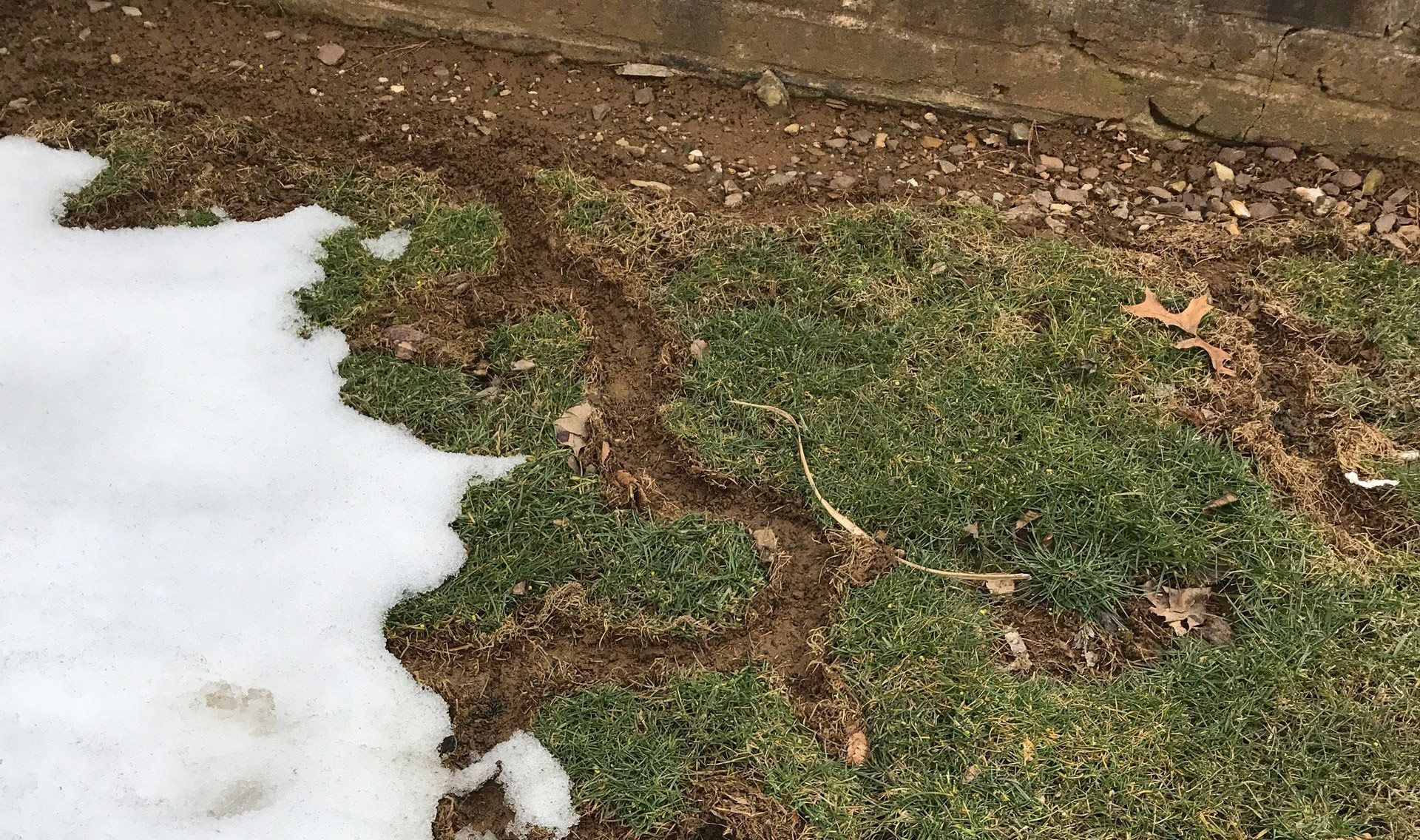
They do not hibernate, so during the colder months, voles stay active beneath snow and brush. Once snow melts and the top layer of soil becomes softer, their trails and surface tunnels become easier to see. These paths zigzag through yards and may lead to small openings near shrubs, gardens, or mulched beds.
In Pennsylvania, spring weather is the perfect setup for vole activity. The warming ground brings them closer to the surface, and new plant growth offers fresh food. If left alone, things usually pick up quickly after March with more tunnels and more damage to deal with.
What Vole Tunnels Look Like in Your Yard
Homeowners might not always know what to look for when it comes to spotting vole damage. The signs are subtle at first but easy to recognize once you know what sets them apart.
Here are a few things that usually mean voles have been tunneling:
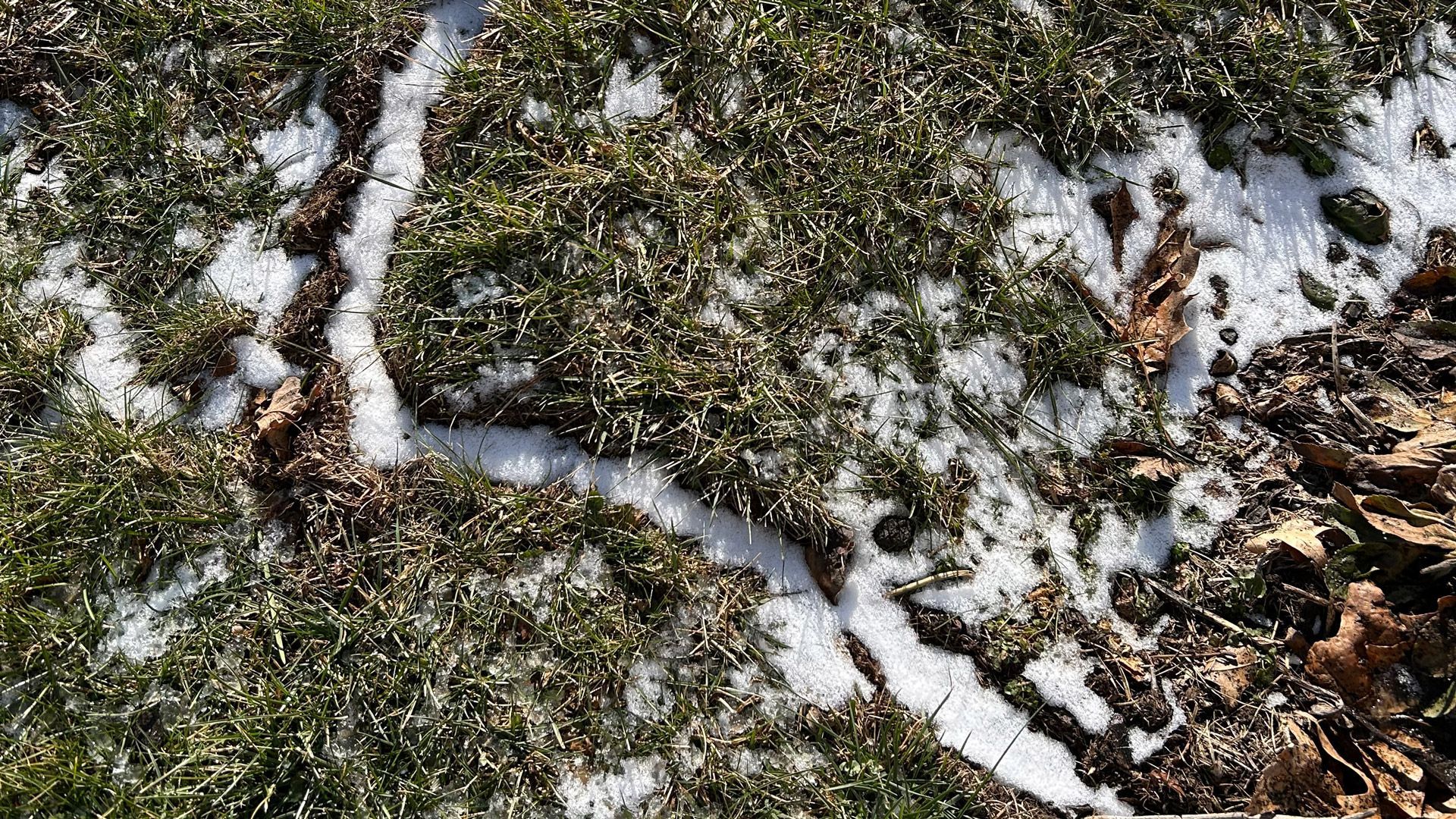
- Narrow, ground-level paths through grass that look pressed down or dead
- Small entry holes, usually near garden beds, fences, or foundation lines
- Patches of grass that seem to die off faster than the rest of the yard
Unlike moles, voles do not leave behind big mounds or tall ridges. Their damage stays low to the ground, more like wear on the surface. It is not unusual for these trails to connect to other open patches under mulch or brush, especially toward the edges of a yard or along foundations.
This early in the season, before grass fills in again, those signs are usually clearer. Waiting too long makes it harder to spot them, as healthy lawn starts to cover some of the surface damage. Early
identification keeps things from spiraling into bigger problems.
The Problems Vole Tunnels Can Cause
Vole tunnels may not seem like much at first, especially since they stay right at the surface. But once they start winding through a yard, the results can stack up fast. They do not just push dirt around, the damage usually affects things people care about, like new plantings, gardens, and yard beds.
These are some common problems that come from unchecked vole tunnels:
- Chewed roots that kill off perennials and decorative shrubs
- Damaged bulbs that never get the chance to bloom
- Ground cover pulled up or shifted by surface paths
- Potential soft spots near pavers or patios, especially around edges
When we plant in the spring, those young roots are extra soft, making them favorite targets for hungry voles. With the ground already soft from the thaw, plants do not have strong footing. That combo often leads to surprise damage just as the yard starts to green up.
Over time, bigger networks of tunnels can show up in more open parts of the yard, leaving behind patches that do not grow back quite right. The issues go beyond looks too. A few small paths can quietly affect the health of full garden beds or undercut small trees if it keeps going.
What Homeowners Should Do Next
As much as it might seem like a one-time problem, vole tunnels have a habit of sticking around. If one shows up, more could be on the way. Vole numbers can grow quickly, and the quiet nature of their tunnels makes it easy to miss things until the damage adds up.
We always suggest paying attention early in the season when signs first appear. Trying to manage tunnels without knowing where they lead will not usually fix the issue. Voles will often return to old runs, making it feel like the problem never really left.
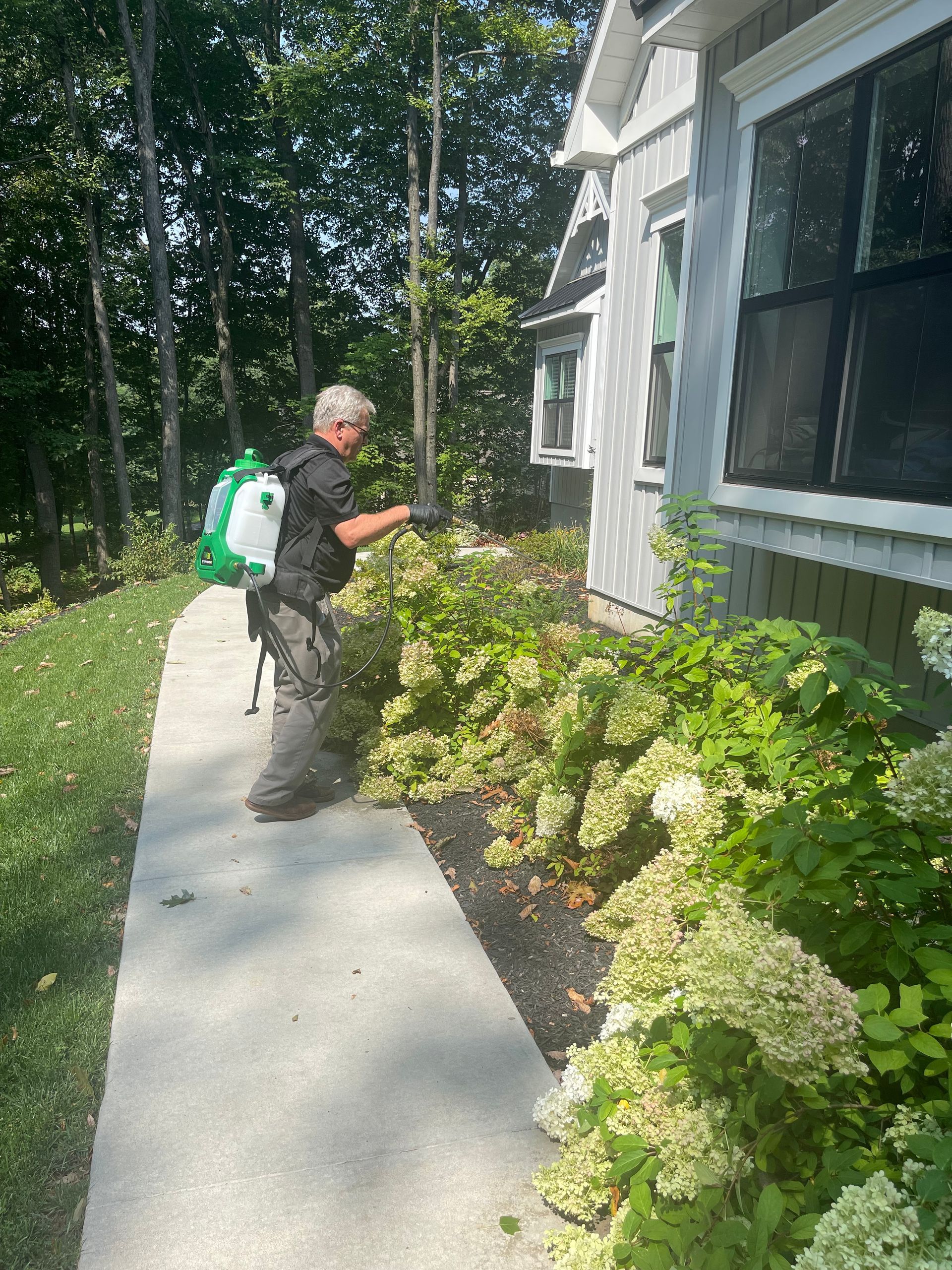
This is where professional vole removal comes in. Keystone Pest Solutions provides vole control and bait services for homeowners throughout Lancaster County and nearby areas. It is not just about getting rid of what is there. It is about knowing what areas are being targeted, why it is happening now, and what might help stop future activity before spring planting begins. Removing the visible signs is only part of the solution. If the tunnels underneath remain, there is a good chance the activity will too.
A Healthier Yard Starts Below Ground
Now is the time to walk your yard and look for signs that something might be tunneling under the grass. With the ground now visible and snow mostly out of the way, damage is easier to catch before new growth fills it in. A few quick checks around flower beds, fence lines, and foundation edges can save the extra trouble later.
The best way to protect your lawn and garden this spring is to stay aware of how things look below the surface. When vole tunneling is caught early, it is far easier to keep new plants healthy and stop damage before it spreads. As things start growing again, small signs near the ground can tell an important story worth paying attention to. For clients who want support beyond a single visit, we offer subscription service plans that start at $35 per month and can include help with yard pests as part of broader home protection.
Seeing signs of tunneling in your yard before your lawn has fully bounced back this spring means it may be time to act. At Keystone Pest Solutions, we help homeowners across Pennsylvania spot, understand, and stop the damage caused by surface paths and yard disruption. Our approach to
vole removal
focuses on both what is visible and what is happening underfoot to give your plants a better chance to thrive, so contact us today if you suspect vole activity in your yard.
Ready to act?
Catch vole damage early and protect your yard this spring.
If you are seeing surface runways, small holes, or stressed grass, now is a smart time to get ahead of the problem.