Simple Yard Tips to Beat Mosquitoes This Spring in Lancaster
Quick Summary / TL;DR
Simple Yard Tips to Beat Mosquitoes This Spring
- Start Early
Spring is the best time to stop mosquitoes before populations grow.
- Remove Standing Water
Even small amounts like gutters or planters can support breeding.
- Trim & Clean
Shaded, damp areas are prime resting spots for mosquitoes.
- Fix Drainage Issues
Wet yard areas can become repeat mosquito hotspots.
- Stay Consistent
Weekly yard checks prevent small issues from becoming big problems.
- Professional Help
Ongoing treatments provide stronger, season-long protection.
As winter fades and Lancaster County starts to warm up, most homeowners are ready to enjoy their decks, patios, and backyards again. The trouble is that the same mix of spring rain, mild temperatures, and fresh plant growth that makes Central Pennsylvania feel inviting also creates ideal conditions for mosquitoes. Getting ahead of the problem in early spring is one of the smartest ways to protect your yard before mosquito activity peaks.
For homeowners who want extra support, Keystone’s
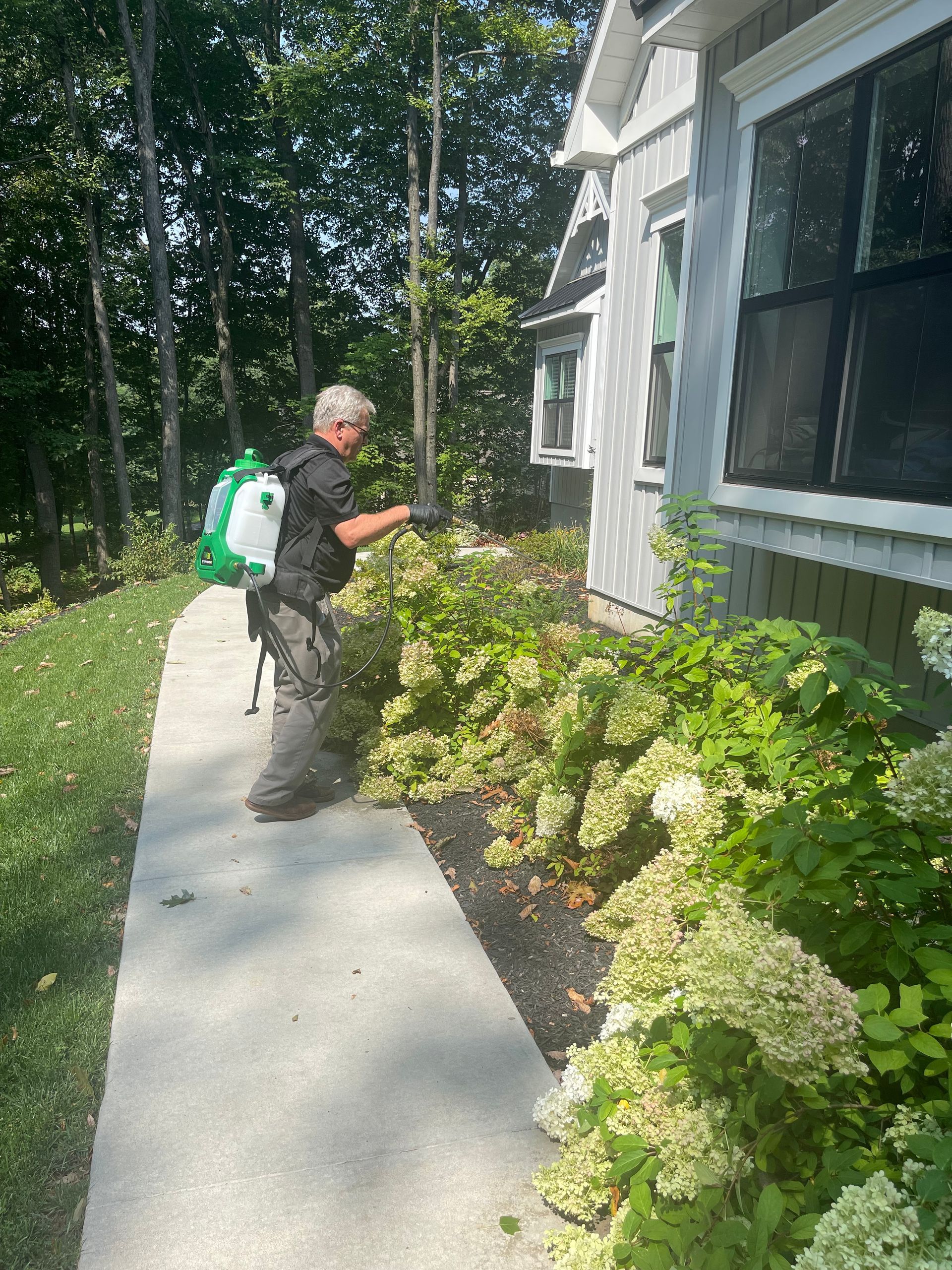
Tick & Mosquito Program includes six warm-weather visits focused on outdoor misting and identifying standing water where mosquitoes breed. If you are looking for broader seasonal protection, the
Complete Home Care Plus plan also includes six seasonal exterior visits from April through September that target ticks and mosquitoes as part of a larger home pest control strategy.
Why Early Spring Mosquito Control Matters
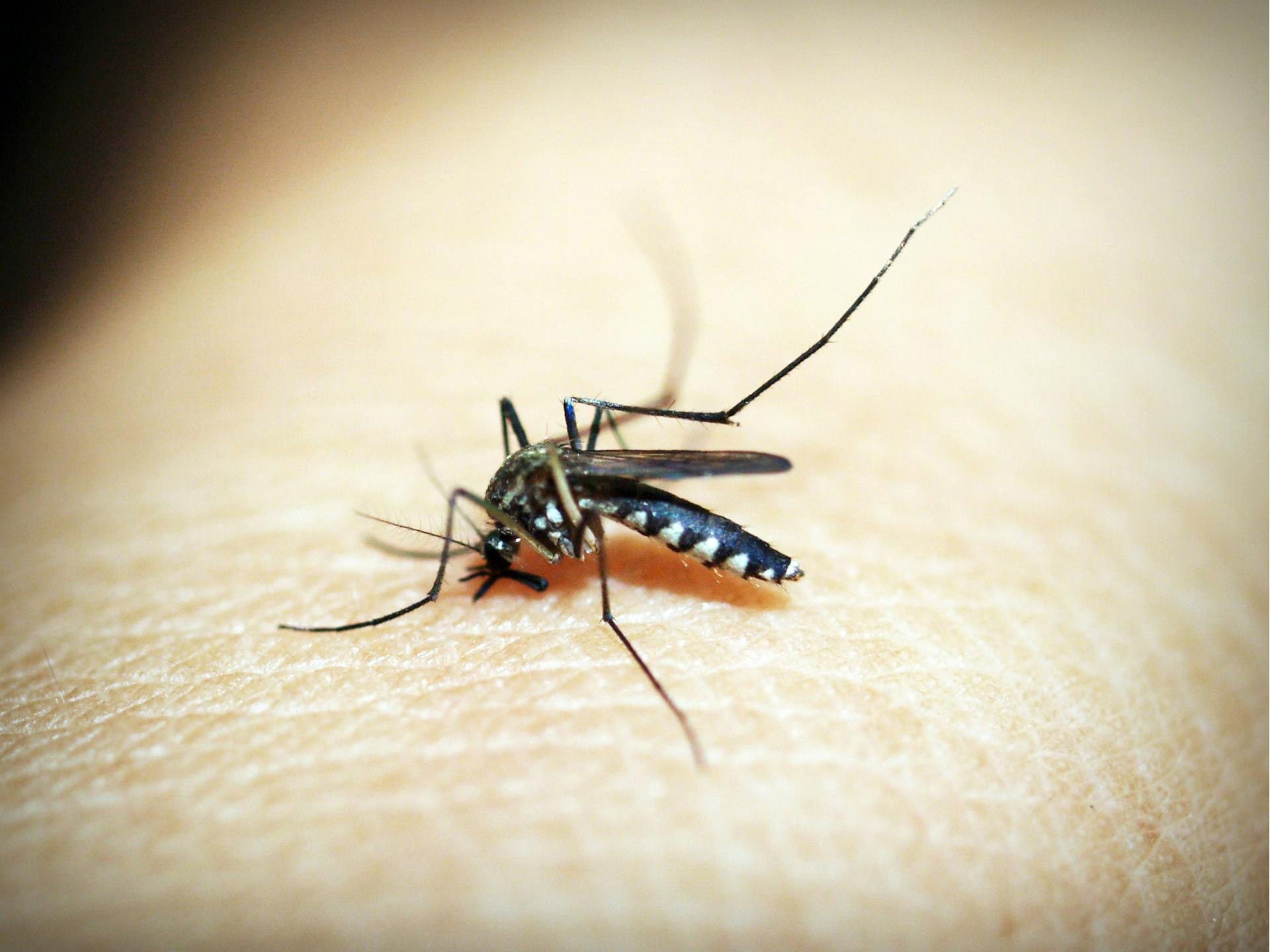
Mosquito control is easier when you start before the population builds. According to Penn State Extension, eliminating standing water around the home is one of the most effective ways to reduce mosquito breeding. The CDC also recommends dumping, covering, or cleaning water-holding items once a week because mosquitoes can breed in surprisingly small amounts of water.
That is especially important in Lancaster, Mount Joy, Lititz, Manheim, and surrounding communities where spring storms, damp lawns, and shaded landscaping can create the exact conditions mosquitoes look for. By taking a few practical steps now, you reduce the number of places mosquitoes can lay eggs and rest during the day.
Start With Standing Water Around the Yard
If you do only one thing this spring, make it a standing-water inspection. Mosquitoes do not need a pond or a swamp to reproduce. A clogged gutter, a forgotten flowerpot saucer, or water sitting on a tarp can be enough to support breeding. A quick walk around the property after every heavy rain can help you catch small issues before they turn into a larger problem.
- Clean out clogged gutters so water flows away from the home instead of pooling after storms.
- Empty birdbaths, kiddie pools, flowerpot saucers, and pet bowls regularly, then scrub them to remove eggs.
- Turn over or store buckets, toys, planters, and other containers that can collect rainwater.
- Check low spots in the lawn where water sits for several days after spring showers.
The CDC recommends emptying and scrubbing water-holding items weekly, which is a simple routine that can make a noticeable difference over the course of the season. When standing water cannot be eliminated, professional treatment may be the better next step.
Trim Back the Cool, Shaded Areas Where Mosquitoes Rest
Mosquitoes are not just attracted to water. Once they hatch, they often spend the hottest parts of the day resting in cool, damp, shaded spots. That means overgrown shrubs, dense ground cover, tall grass, and cluttered corners of the yard can all make your property more comfortable for them.
Focus on trimming fence lines, thinning heavy shrubs, and keeping grass short around sheds, patios, and play areas. Cleaning up leaf piles, stacked tarps, and unused yard equipment can also improve airflow and sunlight, which helps those areas dry out faster. These small cleanup steps support the same kind of integrated approach that both
Penn State Extension and the
EPA encourage for mosquito management.
Check Drainage Before Spring Rains Get Heavier
Some mosquito problems start with the yard itself. If certain sections of the property stay soggy after a storm, they can become repeat trouble spots all season long. Pay close attention to low corners of the yard, downspouts that empty too close to the foundation, runoff trapped behind sheds, and flat areas beside patios or walkways.
In many cases, minor drainage improvements can help. Extending downspouts, filling low spots, adjusting soil grade, or redirecting runoff away from problem areas can reduce how long water stays in place. These changes not only make mosquito breeding more difficult, they can also protect your landscaping and the condition of your yard.
Inspect the Outdoor Items Homeowners Often Forget About
A lot of mosquito breeding happens in places people simply overlook. Patio furniture with dips in the seat, lids left near trash cans, wheelbarrows, old tires, toys, tarps, and even folded patio umbrellas can all trap water after a spring rain. When these items sit untouched, mosquitoes take advantage.
Set a reminder to walk the yard once a week during the spring and early summer. Flip items over, store what you can indoors, and replace damaged covers or containers that collect water again and again. This kind of weekly attention keeps small problems from becoming seasonal frustration.
Do Not Forget Screens, Seating Areas, and Outdoor Habits
Even a well-maintained yard can still have mosquito pressure during wet weeks. Before the busy season starts, check window and door screens, repair torn screen panels around porches, and look over covered seating areas where moisture and shade linger. Families who spend a lot of time outdoors in the evening should also think about basic bite prevention while yard work and professional control are doing their part.
The
EPA’s mosquito bite prevention guidance and
CDC prevention tips both stress the value of combining habitat reduction with simple protective measures like repairing screens and using appropriate repellents during peak mosquito activity. That kind of layered strategy is often what keeps a spring mosquito problem from turning into a summer headache.
| DIY Prevention | Professional Treatment |
|---|---|
| Weekly yard maintenance | Scheduled seasonal treatments |
| Removes visible water sources | Targets hidden breeding areas |
| Lower upfront cost | Long-term consistent control |
| Requires ongoing effort | Handled by trained technicians |
When Professional Mosquito Control Makes Sense
DIY prevention goes a long way, but some properties need more than yard cleanup alone. Larger lots, heavily landscaped yards, wooded edges, drainage issues, or repeated mosquito activity year after year can all justify professional treatment. Keystone offers tick and mosquito control for homeowners across Lancaster County and nearby communities, and the company’s Lancaster pest control page highlights how outdoor pest pressure shifts throughout the season.
If you are already seeing mosquito activity around the yard this spring, it may be time to bring in a local team that understands Central Pennsylvania properties. A professional can identify breeding areas you may miss, treat active problem spots, and help build a plan that keeps your outdoor space more comfortable through the warm months.
A clean, dry, well-maintained yard gives mosquitoes fewer places to breed and fewer places to hide. That means fewer bites, more comfortable evenings outside, and a better start to the season. If you want help getting ahead of mosquito activity this spring,
contact Keystone Pest Solutions
to schedule service for your Lancaster County or Central PA property.
Seasonal Protection
Protect your yard before mosquitoes take over.
Early treatment reduces breeding cycles and keeps your outdoor space comfortable. Don't wait for the first bite—act now for season-long relief.