Why Bees Flock to Lancaster Backyards Each Spring
Quick Summary / TL;DR
Understanding Spring Bee Activity
Spring blooms, water sources, and warming temps trigger natural activity.
Exposed wood, gaps, and quiet eaves provide ideal nesting environments.
Repeated hovering, wall buzzing, or high activity near your home entryways.
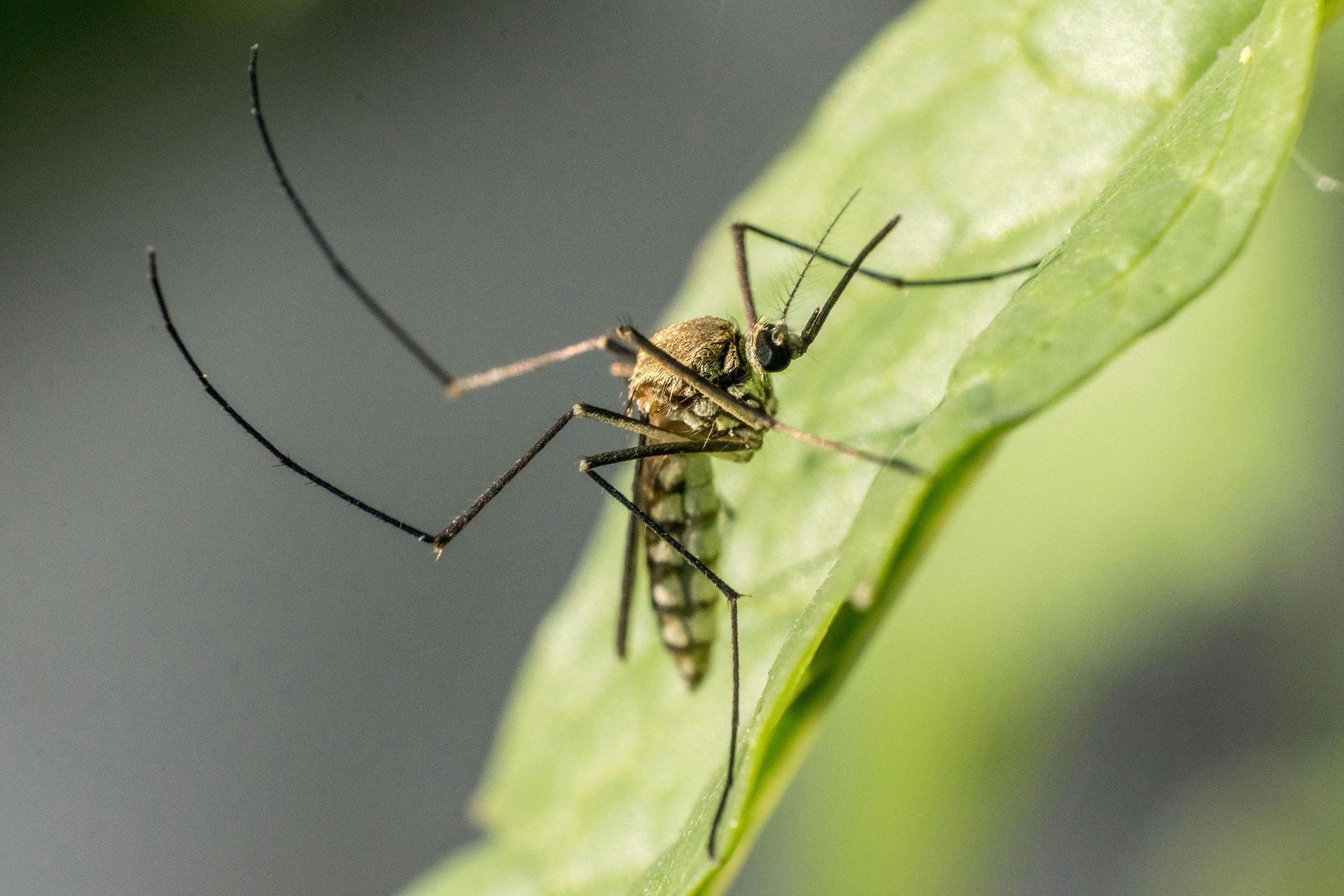
When spring arrives in Lancaster County, backyards start to feel alive again. Trees bud, early flowers open, and homeowners across Lancaster, Mount Joy, Lititz, Manheim, and Elizabethtown begin spending more time outside. That is usually when people notice more buzzing near porches, decks, sheds, and rooflines. In many cases, those visitors really are bees. In other cases, they may be carpenter bees or other stinging insects that are easy to mistake from a distance. Either way, a sudden increase in activity around your home can turn a relaxing backyard into a stressful one.
For homeowners searching for bee removal in Lancaster, the first question is usually simple: why are they showing up now? The answer comes down to seasonal timing, food sources, water, and shelter. Spring gives pollinators and other stinging insects exactly what they have been waiting for. Once the weather softens, they start moving, feeding, and scouting for places to nest. That makes Central Pennsylvania properties especially attractive in early spring, particularly if the yard offers blooms, moisture, and quiet protected spaces.
Why Bee Activity Picks Up So Quickly in Early Spring

Pennsylvania sees a noticeable jump in bee activity as temperatures rise and early blooms return. Penn State Extension notes that many bee species in the state emerge between March and April, which helps explain why homeowners often notice more bee movement as soon as spring settles in. If your property suddenly feels busier this time of year, you are not imagining it. Seasonal emergence is a normal part of the local pattern.
That said, normal does not always mean convenient. A few bees moving from flower to flower are usually no cause for concern. Trouble starts when activity is concentrated near entryways, children’s play areas, decks, outdoor furniture, garages, or wooden trim. When insects begin hovering in the same spot every day, disappearing into a hole in siding, or circling the same overhang or roofline, there may be a nest or nesting site nearby.
What Bees and Other Spring Stinging Insects Are Looking For
🌼 Food
Flowering trees, dandelions, and early blooms provide essential nectar and pollen.
💧 Water
Birdbaths, puddles, and dripping spigots attract insects looking for moisture.
🪵 Shelter
Exposed wood, eaves, sheds, and wall gaps offer ideal nesting conditions for the season.
Most spring activity can be traced back to three basic needs: food, water, and shelter. Early flowers such as crocuses, dandelions, and flowering trees give pollinators immediate access to nectar and pollen. Damp soil, birdbaths, puddles, and dripping spigots offer water. Quiet spaces under eaves, inside sheds, behind shutters, and around untreated wood can look like ideal nesting opportunities.
Some homeowners are surprised to learn that the problem is not always the flower bed itself. The yard may draw insects in first, but the structure often keeps them close.
Penn State’s carpenter bee guidance is a useful reminder that exposed wood can become part of the issue, while other stinging insects look for protected wall voids, soffits, attic openings, and hidden gaps. A property can be beautiful and well maintained and still offer all the ingredients that encourage spring activity.
Why Lancaster County Yards Are So Attractive in Spring
Lancaster and the surrounding Central PA region give stinging insects a strong head start. We typically get a gradual warm-up rather than one sudden seasonal switch. That kind of weather creates a steady ramp for spring activity. Add in ornamental landscaping, older homes with small gaps and wooden features, and plenty of moisture from spring rain, and it is easy to see why insects start exploring residential properties so early.
The local housing mix matters too. In older neighborhoods, barns, detached garages, fences, porches, and exposed trim can create attractive nesting conditions. In newer developments, landscaped beds, mulched borders, and outdoor living spaces supply food and moisture close to the home. Whether you live in Lancaster itself or in nearby communities like Mount Joy or Manheim, spring often brings the same concern: insects are active exactly where people want to relax.
Backyard Habits That May Be Inviting More Bee Activity
Sometimes the issue is not a major infestation. It is a combination of small conditions that keep insects coming back. Open trash lids, sugary drinks left outside, leaky hose bibs, dense shrubbery near the house, stacked wood, and gaps around siding or vents can all make a yard more inviting. Even a deck with small openings or an undisturbed corner of a shed can become a point of interest during nest scouting.
This is where prevention matters. The EPA’s
integrated pest management guidance emphasizes identifying the pest correctly, monitoring activity, reducing attractants, and using the least risky control method first. Around the home, that usually means removing food and water sources, cleaning up debris, and limiting access to sheltered nesting spots before the issue grows.
Why DIY Bee Removal Can Backfire

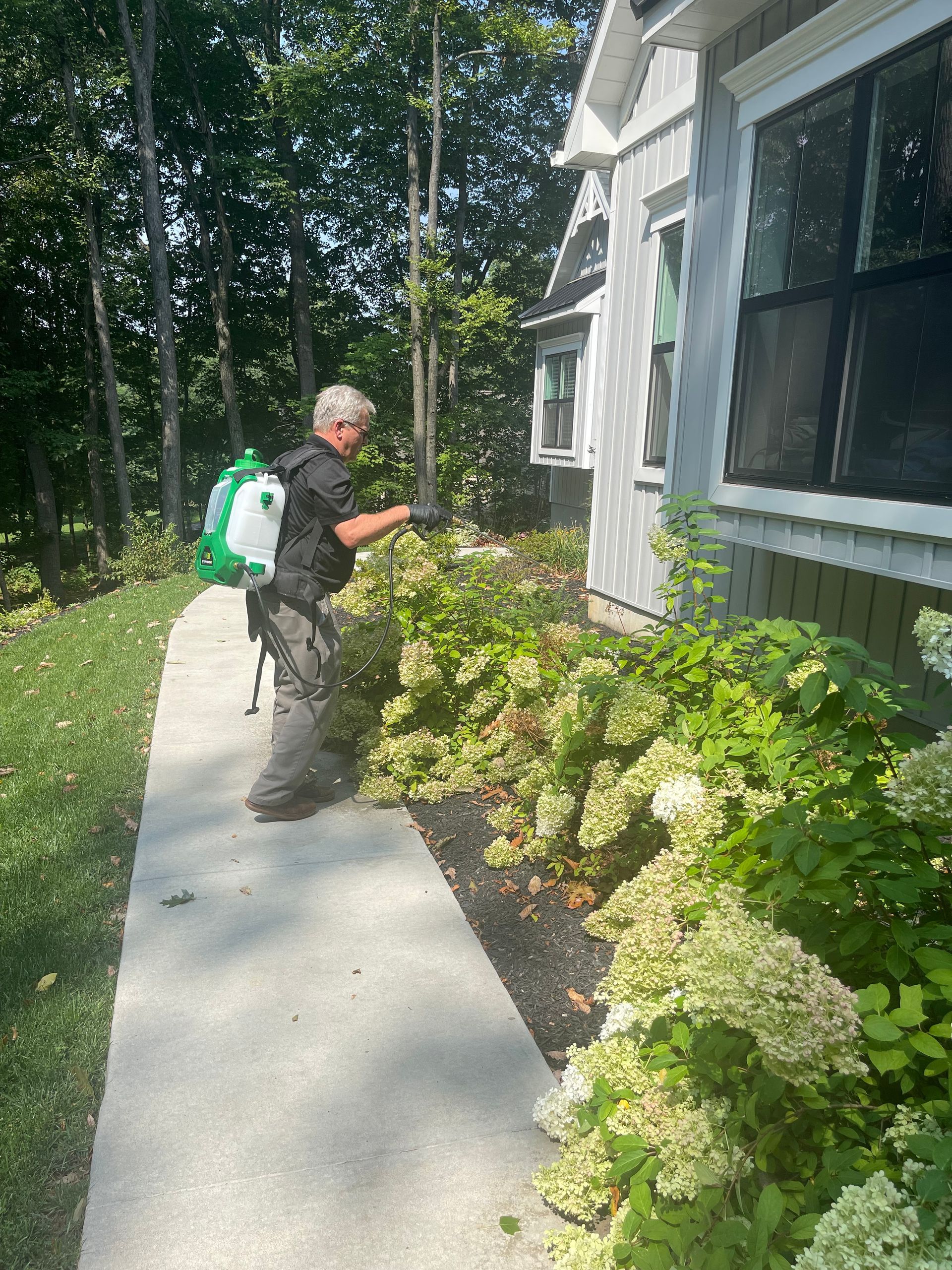
When homeowners spot insects around the house, the first instinct is often to spray, knock down a nest, or seal an opening right away. That can be risky. Some stinging insects will defend a nest aggressively if disturbed, and misidentification is common. What looks like a simple bee problem could actually be carpenter bees in wood, wasps under an eave, or another stinging pest tucked into a wall void.
A rushed DIY fix can also create bigger problems. Sealing an active entry point before the nest is addressed may trap insects inside a wall or drive them to another exit. Using the wrong product near children, pets, or pollinator-friendly planting areas can also create unnecessary safety issues. The EPA’s pesticide safety tips recommend using non-chemical methods first whenever possible and following label directions exactly when any product is used.
For that reason, professional assessment is often the safest next step when activity is concentrated around the home. A trained technician can determine what insect you are dealing with, where it is nesting, how severe the activity is, and what treatment approach makes the most sense for the structure and the people around it.
How To Make Your Yard Less Attractive Without Harming Pollinators
You do not have to choose between supporting pollinators and protecting your home. In many cases, the best strategy is to encourage pollinator activity away from the structure while making nesting near the house less appealing. Trim vegetation back from siding, keep lids on trash and compost, fix leaks, clean up sweet residue on outdoor furniture, and inspect eaves, vents, railings, and wood surfaces for new openings or damage.
It is also smart to look beyond the obvious. Carpenter bee activity may show up as hovering around trim, fascia boards, fence rails, decks, pergolas, or other exposed wood. Other stinging pests may gather near rooflines, shutters, attic vents, or gaps around outdoor structures. Addressing those conditions early can reduce the odds that spring activity turns into a bigger summer problem.
When To Call for Professional Bee Removal in Lancaster
If you are seeing repeated activity in the same location, hearing buzzing inside a wall or ceiling, finding insects around an entryway every day, or noticing signs of nesting in wood or rooflines, it is time to bring in a professional. The same is true if anyone in the home has a sting allergy, or if activity is near children, pets, patios, or frequently used outdoor areas.
Keystone Pest Solutions serves Lancaster and the surrounding Central PA area with practical, local help for spring pest issues. If the problem turns out to be bees, carpenter bees, wasps, or another stinging insect, the goal is the same: identify the source, treat it safely, and help reduce the chances of it returning. Spring should make your yard more enjoyable, not more stressful.
Expert Stinging Insect Control
Noticing buzzing near your porch, deck, or roofline?
Don't wait for a nest to become a danger. Acting early protects your family and home. Explore our stinging insect control services or request an estimate directly today.
Serving Lancaster and Central PA. Check our Lancaster service page or Central PA service area to confirm coverage.