One-Time vs Ongoing
One-time visits work for isolated issues. Ongoing service offers seasonal prevention, monitoring, and broader warranty support.

Making Pest Issues Past Issues
Quick Summary / TL;DR
Pricing depends on the pest problem, treatment areas, service frequency, and warranty coverage. One-time service can solve isolated issues, while recurring plans help prevent seasonal pests from returning.
One-time visits work for isolated issues. Ongoing service offers seasonal prevention, monitoring, and broader warranty support.
The lowest monthly price may not include interior service, return visits, rodent work, or seasonal outdoor treatments.
Homes near woods, creeks, and older basements face different pest pressures throughout the year.
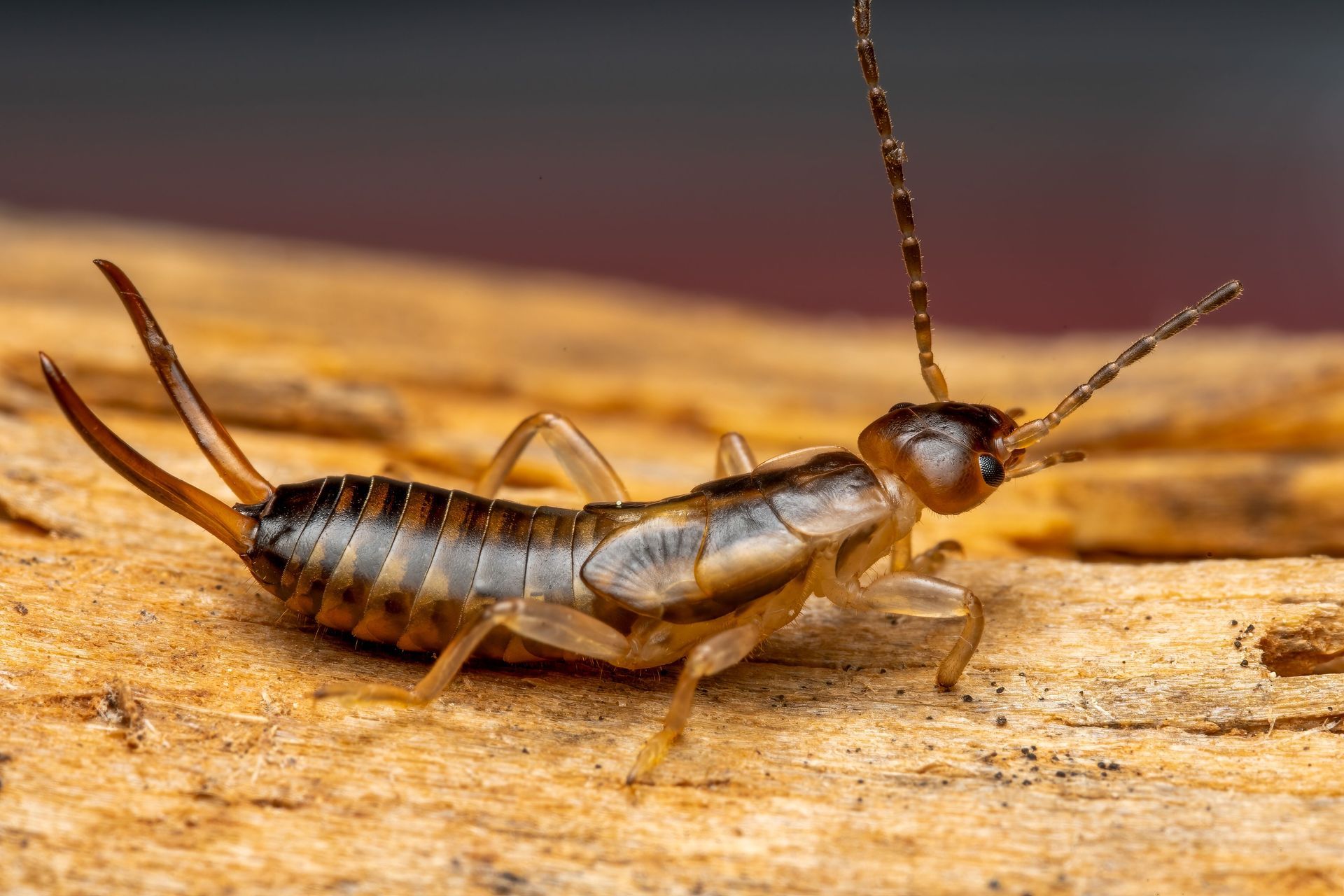
Pest control pricing can feel confusing because every home, pest problem, and service plan is different. A quick visit for one visible issue is not the same as year-round protection for ants, spiders, stinging insects, mice, pantry pests, ticks, mosquitoes, and bed bugs. In Lancaster County, homes and businesses face different pest pressures by property type and season.
A local provider should be able to explain those costs clearly. At Keystone Pest Solutions, the goal is simple: help homeowners and businesses understand what they are paying for, what is covered, and what happens if pests come back between visits.
For general household pest control, pricing usually falls into two categories: a one-time corrective service or an ongoing pest control plan. A one-time visit may make sense for an isolated issue, such as a small nest or sudden ant trail. A maintenance plan usually makes more sense when pests are recurring, seasonal, or likely to return because of conditions around the property.
Keystone publishes subscription options on its Specials & Plans page, including Exterior Home Care starting at $29.95 monthly plus tax, Complete Home Care starting at $42.95 monthly plus tax, and Complete Home Care Plus starting at $79.95 monthly plus tax. Current plan details should always be confirmed before booking, but those starting points give Lancaster County homeowners a useful baseline for comparing coverage.
Keystone also lists targeted pricing on some service pages. For example, the
Ant Control page
notes that one-time treatments start at $159 plus tax, while quarterly ant service starts at $89.85 plus tax, billed monthly. That shows why pest type and service frequency matter..
The biggest cost factor is scope. Treating the outside perimeter of a home for spiders and occasional invaders is different from addressing active pest activity inside the home, adding rodent stations, or protecting outdoor spaces from mosquitoes and ticks.
Common pricing factors include:
Cost should not be the only deciding factor. The
EPA advises consumers to look for quality and value when choosing a pest control service because misuse of pesticides can affect health and property. A low price is not a bargain if the service misses the source of the issue or gives you no clear plan for what happens next.
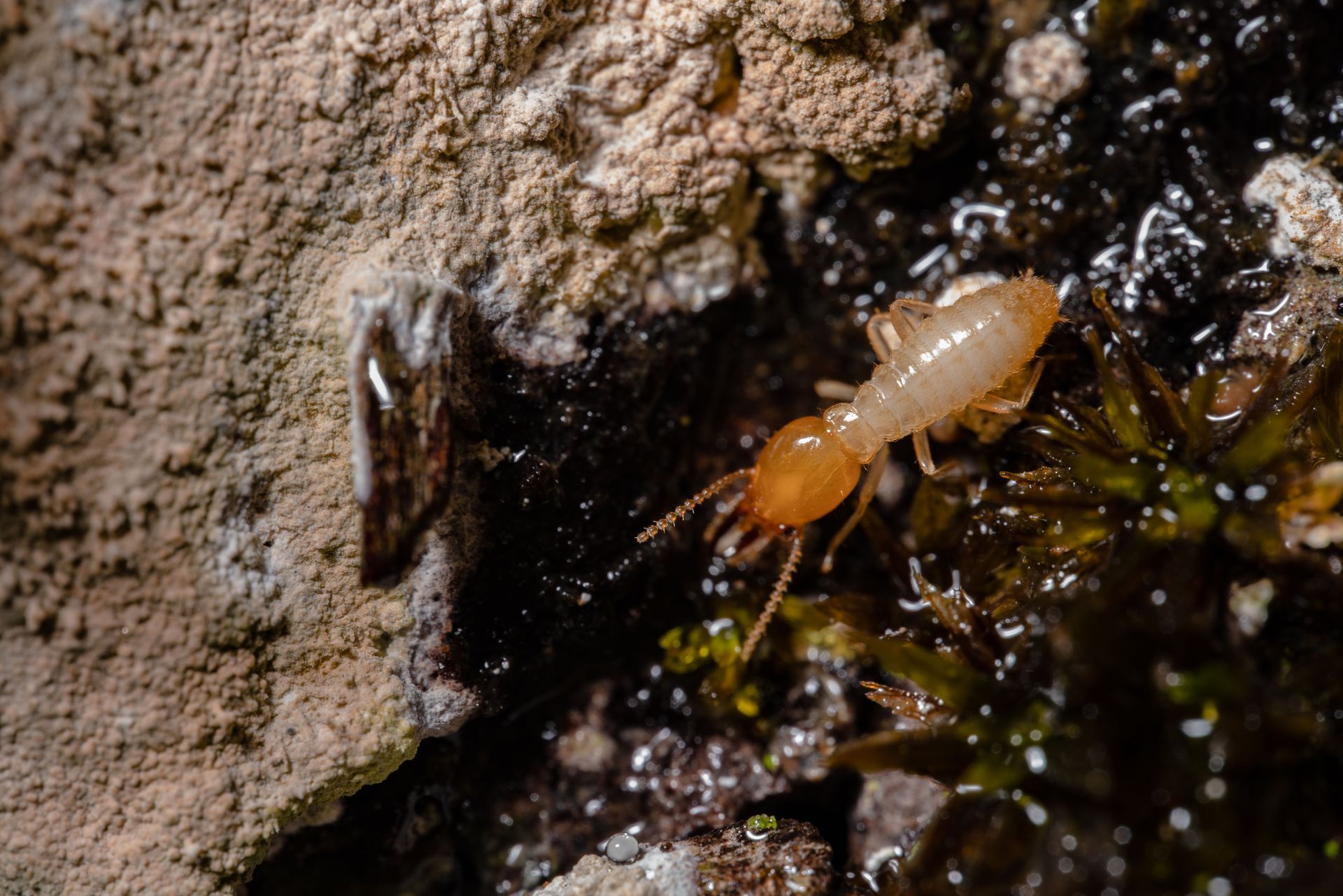
Ants, mice, termites, mosquitoes, bed bugs, and stinging insects all require different treatment strategies.
A recurring infestation or nesting issue usually needs more follow-up than a small isolated problem.
Basements, attics, decks, crawlspaces, kitchens, and garages each present different treatment challenges.
Some plans include unlimited return visits while others provide only limited follow-up support.
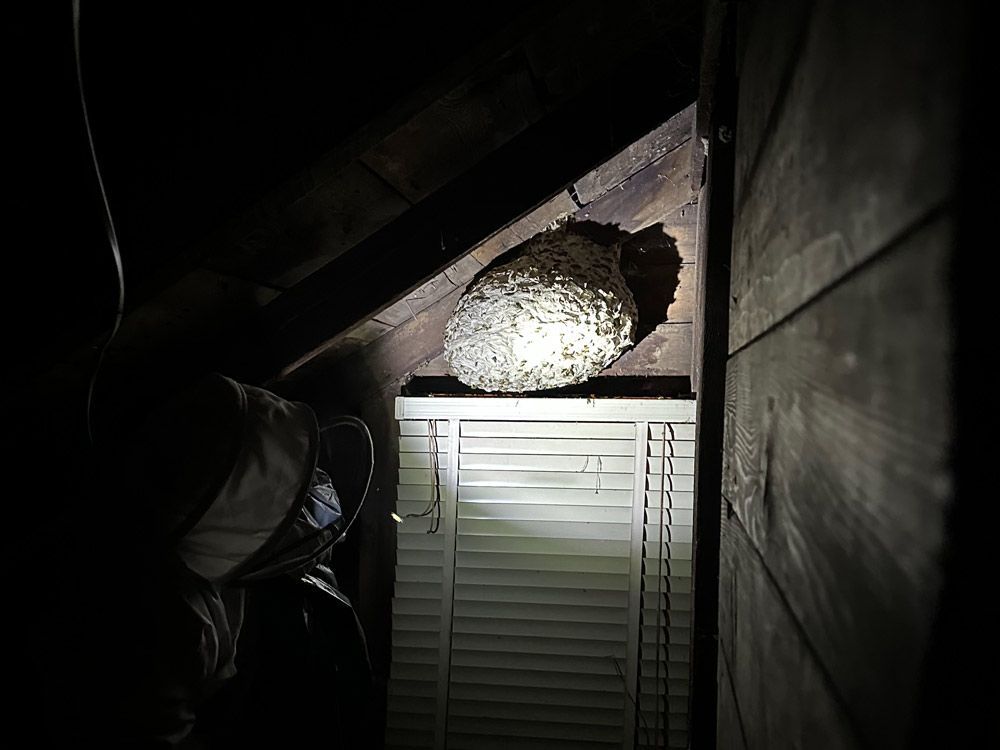
A one-time treatment can be a good fit for a clear, limited problem, such as an obvious paper wasp nest or a specific pest that showed up after a delivery or weather change. One-time service can be straightforward, but the warranty is usually more limited because the property is not being monitored throughout the year.
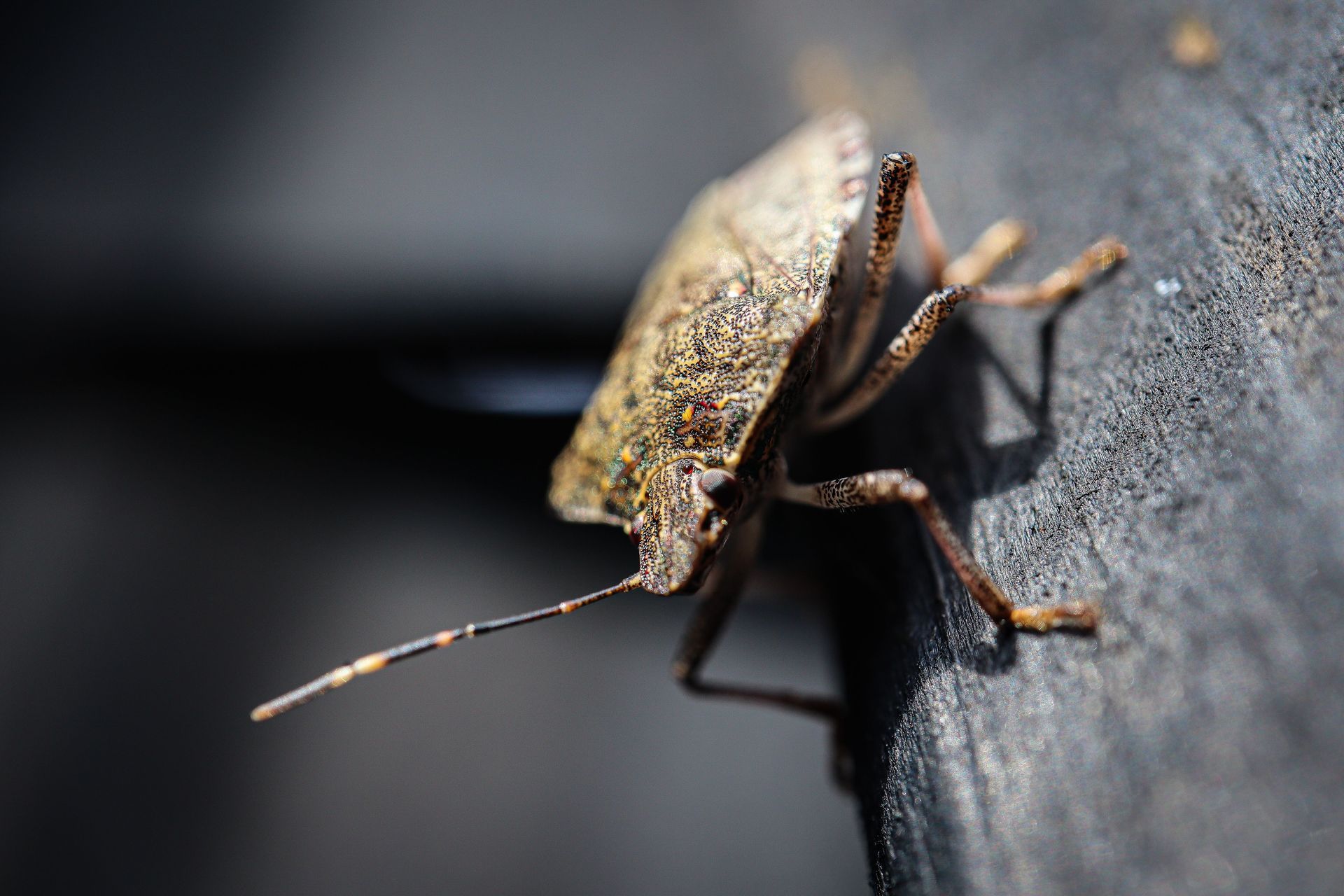
Ongoing pest control is meant to treat active issues and reduce the conditions that let pests return. In Lancaster County homes, that can mean ants in spring, spiders and webs around exterior lights, stinging insects around porches and decks in summer, stink bugs and boxelder bugs gathering in fall, and mice trying to get indoors when temperatures drop.
A plan can also make budgeting easier. Instead of waiting for a pest issue to become urgent, a homeowner can spread the cost across the year and know what level of service and warranty is included.
Here is a simple way to think about Keystone's
pest control pricing plan structure:
The right option depends on what you want solved. If your main frustration is webs, wasp nests, and visible insects outside, an exterior plan may be enough. If you already have ants in the kitchen, mice in the basement, or recurring pests inside, a broader plan may be more practical. If mosquitoes or ticks make the yard hard to enjoy, seasonal outdoor service may be the better value.
Ant trails, carpenter ants, and increased insect activity around foundations and kitchens.
Wasps, mosquitoes, spiders, and outdoor pests become more active around decks and porches.
Stink bugs and boxelder bugs gather near siding, windows, and attic spaces.
Mice and rodents look for warmth inside basements, garages, and utility areas.
Local pest pressure changes by season and property type. A home near fields, woods, creeks, drainage areas, or older outbuildings may have different needs than a newer home in a tighter neighborhood. Commercial kitchens, finished basements, porches, sheds, and garages also create different treatment challenges.
That is why a good estimate should not be based on a generic square-foot number alone. A technician should ask what you are seeing, where you are seeing it, how long it has been happening, and whether the goal is to eliminate an active problem, prevent future problems, or both.
A clear quote should explain the service, not just the price. Before you choose a provider, make sure you understand the pest being treated, the areas included, whether interior service is part of the plan, how many visits are included, what pests are covered, and what warranty applies.
It is also fair to ask about licensing and treatment philosophy. Pennsylvania's Department of Agriculture explains that pesticide application businesses need a business license and at least one certified applicator, along with required financial responsibility. Keystone lists Pennsylvania license BU15122 on its website footer.
For households that care about careful, targeted service, integrated pest management is worth asking about.
Penn State Extension describes IPM as an approach that uses prevention, exclusion, and nonchemical tools first, then selects pesticides carefully when needed.
When comparing pest control companies in Lancaster County, look past the lowest monthly number and ask what is actually included. A cheaper plan may cover only exterior service. Another plan may include interior service, return visits, rodent coverage, termite inspection, pantry inspection, or seasonal tick and mosquito visits. Those details can change the value quickly.
Also consider communication. A dependable pest control company should explain what it found, what it treated, what the homeowner can do to reduce pest pressure, and when to call if activity continues. Keystone's local service model is built around listening first, building a custom plan, and avoiding pressure or upselling.
The most accurate way to understand pest control cost for your Lancaster County home or business is to request a consultation. Keystone Pest Solutions can review the pest issue, explain the right level of service, and help you decide whether a one-time treatment or ongoing plan makes the most sense.
If you are comparing options, start with Keystone's published Specials & Plans, then contact the team with the details of what you are seeing. You will get straightforward guidance from a local company based in Mount Joy and serving Lancaster County and surrounding Central PA communities.
Call
(717) 653-1068 or
book an appointment online
to get a clear recommendation and make pests a past issue.