
Why Are Earwigs Getting Into Your Lancaster County Home?
Rob Braden • July 21, 2026
Quick Summary / TL;DR
Lancaster Homeowner Guide
Earwigs Usually Start Outside, Then Follow Moisture and Small Openings Indoors
One indoor earwig may be accidental. Repeated sightings usually justify checking damp foundation areas, outdoor hiding places, and nearby entry points.
What's Your Best First Move?
Reduce concentrated moisture and shelter beside the home, then seal the openings closest to repeated sightings.
Finding an earwig in the basement, bathroom, kitchen, or garage can be unsettling. Their curved pincers make them look threatening, and repeated sightings can leave you wondering whether a larger infestation is hiding somewhere inside the house.
The good news is that earwigs are usually nuisance invaders rather than insects that establish damaging colonies indoors. The University of Minnesota Extension notes that wandering earwigs do not damage people, property, or food. Still, their presence often points to moisture, shelter, and an easy route inside.
For Lancaster County and Central Pennsylvania homeowners, the best response is to look beyond the individual insect. Earwig activity usually begins outdoors, so the goal is to find what attracts them near the foundation and how they enter.
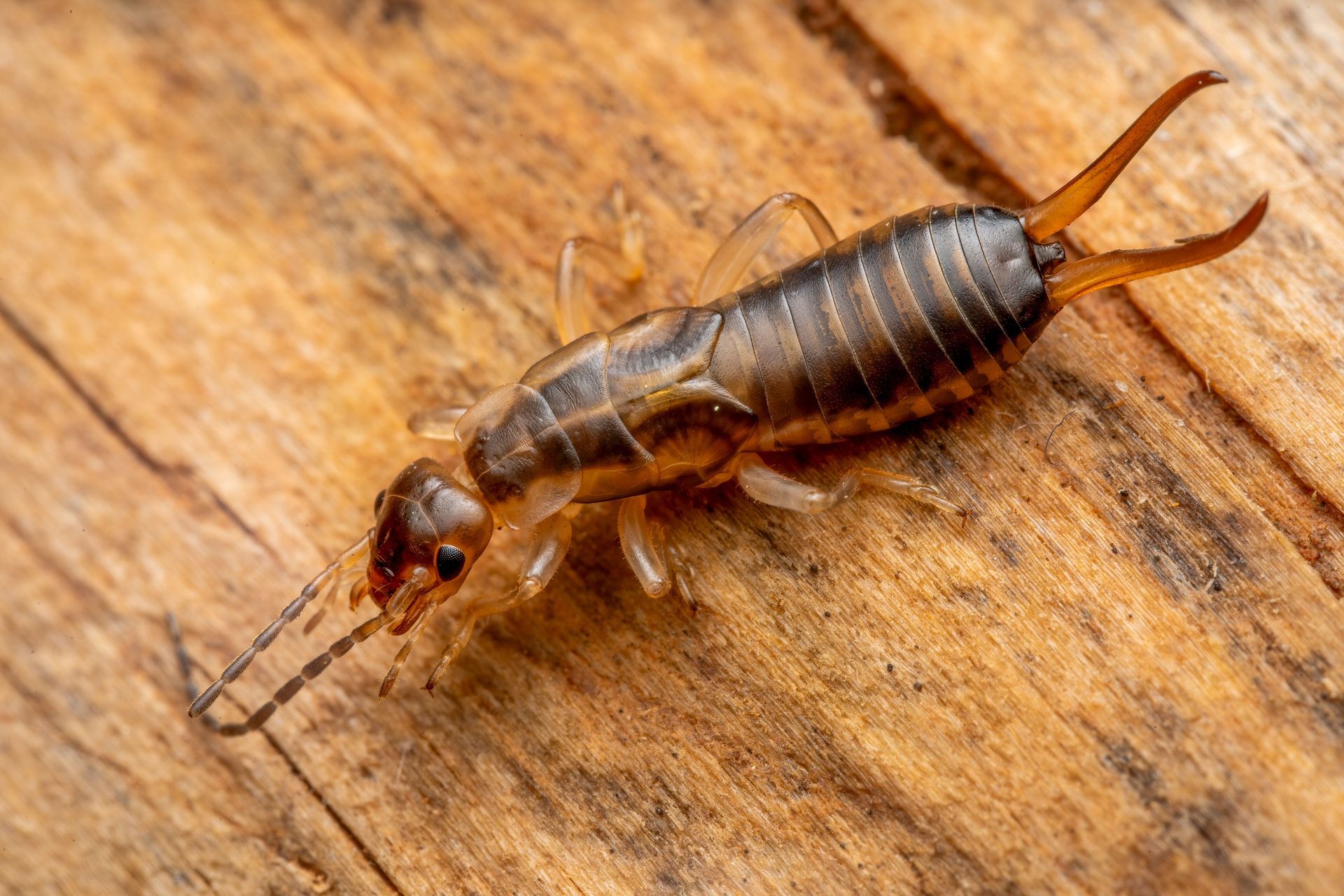
What Are Earwigs?
Earwigs are elongated, reddish-brown insects with a pair of noticeable pincers at the end of the abdomen. They are most active at night and spend the day hidden in cool, dark, damp places. Outdoors, those hiding spots may include mulch, leaf litter, stacked wood, stones, landscape timbers, flowerpots, and dense groundcover.
They feed on decaying organic material, plants, and small insects. A few in a garden are not automatically a concern. The problem starts when outdoor conditions support a large population close to the house or earwigs repeatedly find their way indoors.
Why Earwigs Come Inside Lancaster County Homes
Earwigs do not typically move inside because they want to live in your walls. In most cases, they wander in while searching for shelter or move through openings near the foundation. Several property conditions can make that more likely.
Moisture Around the Foundation
Moisture is one of the strongest factors behind earwig activity. Damp soil, shaded foundation beds, clogged gutters, leaking hose connections, and downspouts that release water beside the house can create comfortable hiding areas.
Lancaster County homes often have mature landscaping, mulch beds, patios, basement window wells, and shaded sides of the property where moisture can linger. When those areas stay damp, earwigs can gather close to doors, siding, vents, and foundation cracks.
Inside, a humid basement, plumbing leak, or condensation around utility lines may give wandering earwigs a place to remain longer than they otherwise would. The insect may be the symptom you notice first, but the moisture source is often the more important clue.
Mulch, Leaves, Wood, and Dense Landscaping
Earwigs hide during daylight hours. Thick mulch, wet leaves, boards, stones, firewood, and low vegetation provide the protected spaces they prefer.
Homeowners do not need to remove every landscaped bed. The issue is placement and moisture. Mulch against siding or door thresholds can create a sheltered path to the structure. The same is true for leaves in window wells or firewood against an exterior wall.
Utah State University Extension recommends reducing hiding places near the foundation, including thick mulch, vegetation, debris, leaves, and wood. A cleaner, drier border near likely entry areas can make the home less inviting.
Small Gaps Around Doors, Windows, and Utilities
Earwigs have flattened bodies that allow them to fit through narrow openings. Common entry points include worn door sweeps, gaps under garage doors, loose window screens, cracks near basement windows, openings around pipes and cables, and separations where siding meets the foundation.
One earwig just inside an exterior door may have entered by chance. Repeated sightings in the same area suggest a nearby opening or outdoor hiding place.
Changes in Outdoor Conditions
Weather can push earwigs out of their usual hiding areas. Heavy rain may flood the spaces beneath mulch, stones, or debris. Hot, dry conditions can also send them looking for cooler, more humid shelter.
A sudden increase does not always mean earwigs are breeding indoors. It may reflect an outdoor population reacting to changing conditions.
What the Location of an Earwig Can Tell You
Where you find earwigs can help narrow down the likely source.
Basement or Crawl Space
Sightings in a basement or crawl space may point to foundation gaps, damp window wells, high humidity, or moisture near floor drains and utility penetrations. Check for water stains, condensation, stored cardboard, and debris near exterior basement entrances.
Bathroom or Laundry Room
An earwig in a bathroom or laundry area may have wandered toward humidity after entering elsewhere. It can also indicate a gap around plumbing lines, an exterior vent, or a nearby door. One insect does not prove there is a plumbing problem, but repeated activity makes a moisture inspection worthwhile.
Kitchen
Earwigs are not usually drawn to kitchens for stored food in the way pantry pests are. A kitchen sighting may be connected to a door, window, sink plumbing, or a damp exterior bed on the other side of the wall.
Garage
Garages provide several easy entry routes, including the main door, side doors, slab joints, and gaps around weather stripping. Cardboard boxes, stored pots, damp towels, and lawn materials can also provide hiding places. Because garages connect outdoor and indoor spaces, they are a common transition point.
How to Make Your Home Less Attractive to Earwigs
A few practical changes can reduce the conditions that support earwig activity:
- Extend downspouts so water drains away from the foundation.
- Repair leaking outdoor faucets, hoses, and plumbing connections.
- Clean leaves and organic debris from window wells and doorways.
- Keep mulch from pressing directly against siding and thresholds.
- Move firewood, boards, and stored landscape materials away from the house.
- Trim dense groundcover and vegetation near likely entry points.
- Replace damaged door sweeps and seal gaps around windows, pipes, cables, and vents.
- Use a dehumidifier or correct moisture problems in persistently damp basements.
- Reduce unnecessary nighttime lighting near doors when insects are gathering there.
The goal is not to make the property completely dry or remove every plant. It is to reduce concentrated moisture and shelter immediately beside the structure while closing the routes earwigs use to enter.
Practical earwig prevention
A Quick Exterior Check Can Remove Their Best Hiding Places
You do not need to remove every plant or make the property completely dry. Focus on moisture, shelter, and openings immediately beside the structure.
Drain and Dry
- Extend downspouts so water drains away from the foundation.
- Repair leaking outdoor faucets, hoses, and plumbing connections.
- Remove wet leaves and debris from window wells and doorways.
- Address persistent basement humidity or use a dehumidifier.
Clear and Seal
- Keep mulch from pressing against siding and door thresholds.
- Move firewood, boards, and landscape materials away from the house.
- Trim dense vegetation near doors, vents, and foundation openings.
- Replace door sweeps and seal gaps around windows, pipes, cables, and vents.
- Reduce unnecessary nighttime lighting near doors during heavy insect activity.
The End Goal
Create a cleaner, drier border near likely entry points while closing the routes earwigs use to enter.
When Do-It-Yourself Steps May Not Be Enough
Removing a single earwig and correcting an obvious door gap may solve an occasional problem. Professional help becomes more useful when sightings continue, appear in several rooms, or return after moisture and entry issues have been addressed.
A larger outdoor population may be concentrated beneath landscaping, around a patio, near a crawl space, or along a damp side of the house. Treating only the insects found indoors will not address the source or the entry points driving the activity.
Keystone's Lancaster pest control services can help determine whether earwigs are the only pest involved. Centipedes, millipedes, silverfish, crickets, and other moisture-associated pests may appear under similar conditions. Correct identification matters because the most effective control plan depends on the pest, the property, and where the activity begins.
How Keystone Pest Solutions Approaches Earwig Problems
Keystone Pest Solutions serves homeowners throughout Lancaster County and nearby Central Pennsylvania communities. The team starts by listening to what you have seen, inspecting the property, and identifying the conditions contributing to the problem.
That may include checking entry points, moisture-prone areas, foundation landscaping, garages, and basements. From there, Keystone can recommend a plan suited to the home and activity level.
Earwigs are included among the covered pests in Keystone's exterior and complete home protection plans. Homeowners dealing with activity both inside and outside can review the available pest control plans to compare exterior-only coverage with interior and exterior service.
If you are seeing earwigs in Lancaster, Mount Joy, Manheim, Elizabethtown, Lititz, Ephrata, Columbia, Landisville, New Holland, or another nearby community, Keystone can help you understand why they are showing up and what it will take to keep the problem from continuing.
Stop Repeated Earwig Sightings at the Source
You do not have to keep finding earwigs in the basement, bathroom, or garage. Keystone Pest Solutions provides local pest control for Lancaster County homes and builds each recommendation around the property and the customer's comfort level.
Contact Keystone Pest Solutions to schedule an inspection or ask about earwig coverage. The right plan can reduce the activity you see now and make it harder for earwigs and other nuisance pests to return.
Common homeowner questions
Frequently Asked Questions About Earwigs
Are earwigs dangerous?
Earwigs look intimidating because of their pincers, but they are not considered dangerous household pests. Indoor sightings are generally a nuisance rather than a health or structural threat.
Do earwigs mean my home is dirty?
No. Earwig activity is more closely connected to moisture, outdoor shelter, and access points than housekeeping. A well-maintained home can still experience earwig activity.
Will earwigs damage my house?
Earwigs do not feed on structural wood like termites and are not known for damaging a home's structure. Indoors, they are mainly a nuisance.
Why do I see more earwigs after rain?
Rain can saturate or flood hiding places beneath mulch, stones, leaves, and debris. Earwigs may then move toward drier shelter and enter through nearby openings.
What is the best way to keep earwigs out?
Focus on the exterior source. Improve drainage, reduce damp hiding places near the foundation, move debris and firewood away from the house, and seal accessible gaps. Persistent activity may require a targeted pest control plan.
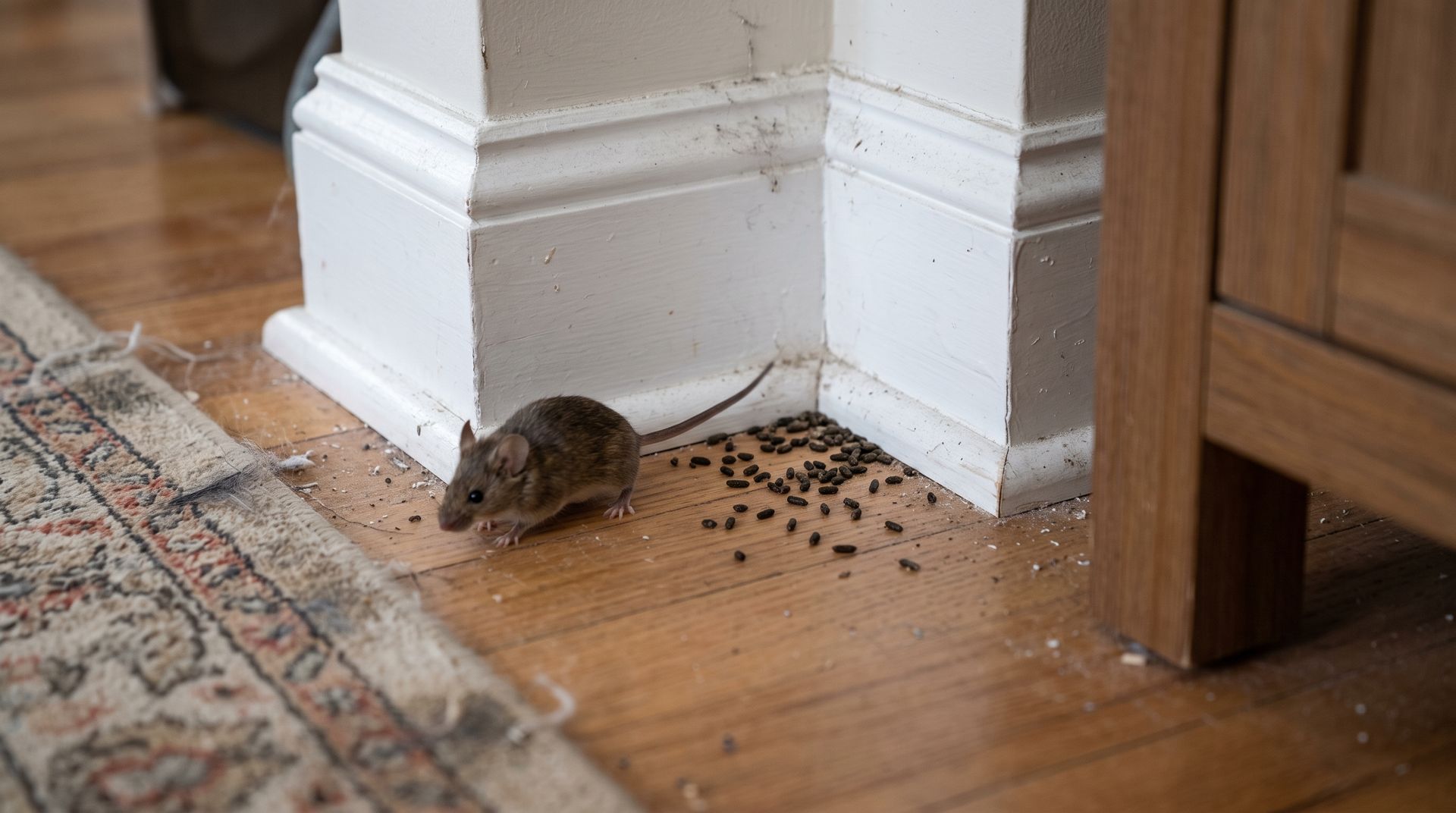
Found mouse droppings in Lancaster County? Follow PA Department of Health cleanup steps, learn what the droppings reveal, and call Keystone: (717) 653-1068.
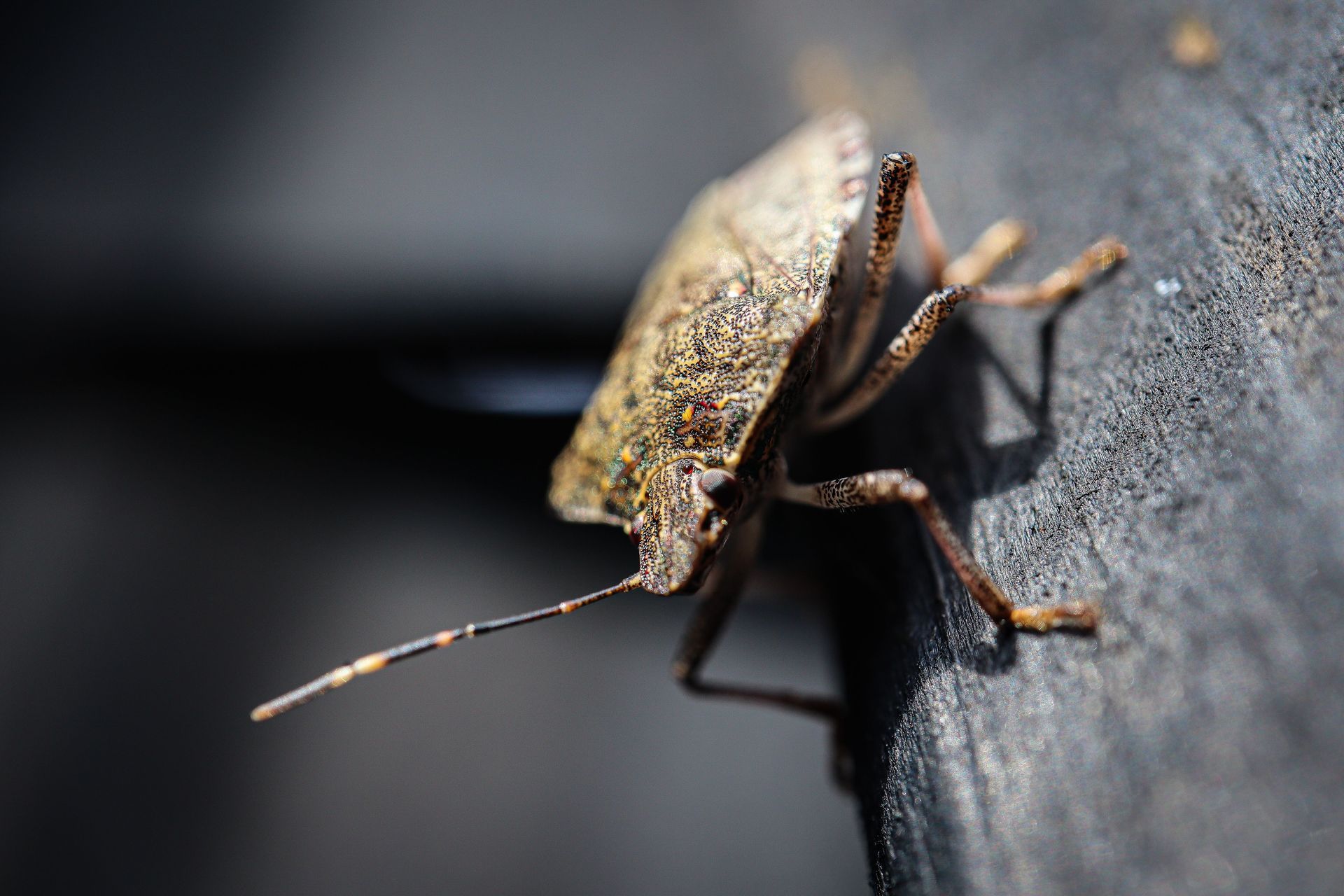
Learn when stink bugs enter Lancaster County homes, where they get inside, and practical fall prevention tips to help keep them out before winter arrives.
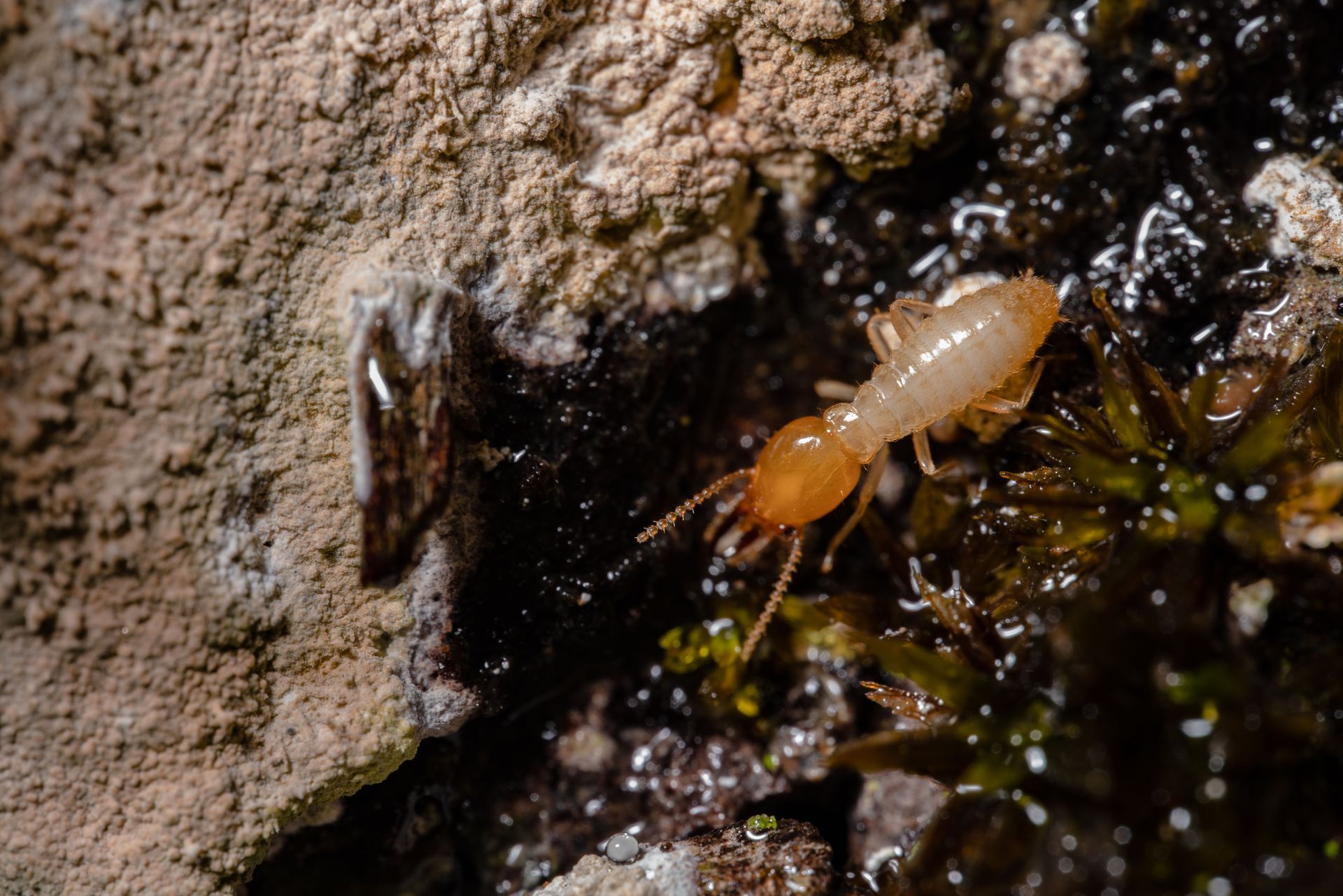
Find out if your Lancaster County home needs termite protection, what signs to watch for, and how prevention can protect against costly hidden damage.

Back from vacation? Learn how Lancaster County families can check luggage, clothing, and bedrooms for bed bugs and know when to call a local pest expert.

Protect your Lancaster County restaurant or cafe with practical pest prevention tips for rodents, roaches, ants, flies, storage areas, and entry points.
See what primarily affects pest control cost in Lancaster County, PA from one-time treatments to service plans, warranties, pests covered, and home size today.
Learn what attracts bees to Lancaster backyards in spring, how to reduce nesting risks, and when to call for professional bee removal, not extermination.
Get ahead of mosquito season in Lancaster County with simple spring yard prep tips and early mosquito control steps for homes across Central PA.

Learn how to identify early signs of vole tunneling and get ahead with smart vole removal steps before spring damage spreads in Pennsylvania lawns.

Learn which winter habits attract roaches and how a cockroach exterminator can help protect your Lancaster County, Pennsylvania kitchen from infestation.