Bed Bugs After Summer Travel: What Lancaster County Families Should Check First
Rob Braden • August 13, 2026
Quick Summary
Lancaster Homeowner Guide
Bed Bugs Hitchhike Home in Luggage, Clothing, and Travel Gear
Coming home after summer travel shouldn't include unwanted pests. Taking immediate, deliberate inspection steps right when you unpack prevents travel hitchhikers from establishing in your home.
What's Your Best First Move?
Contain suspect items immediately without moving them between rooms, and reach out for a professional bed bug inspection if you spot physical evidence.
Coming home from vacation usually means unpacking, starting the laundry, and getting back into a normal routine. It should not mean wondering whether a few unwanted hitchhikers came home with you.
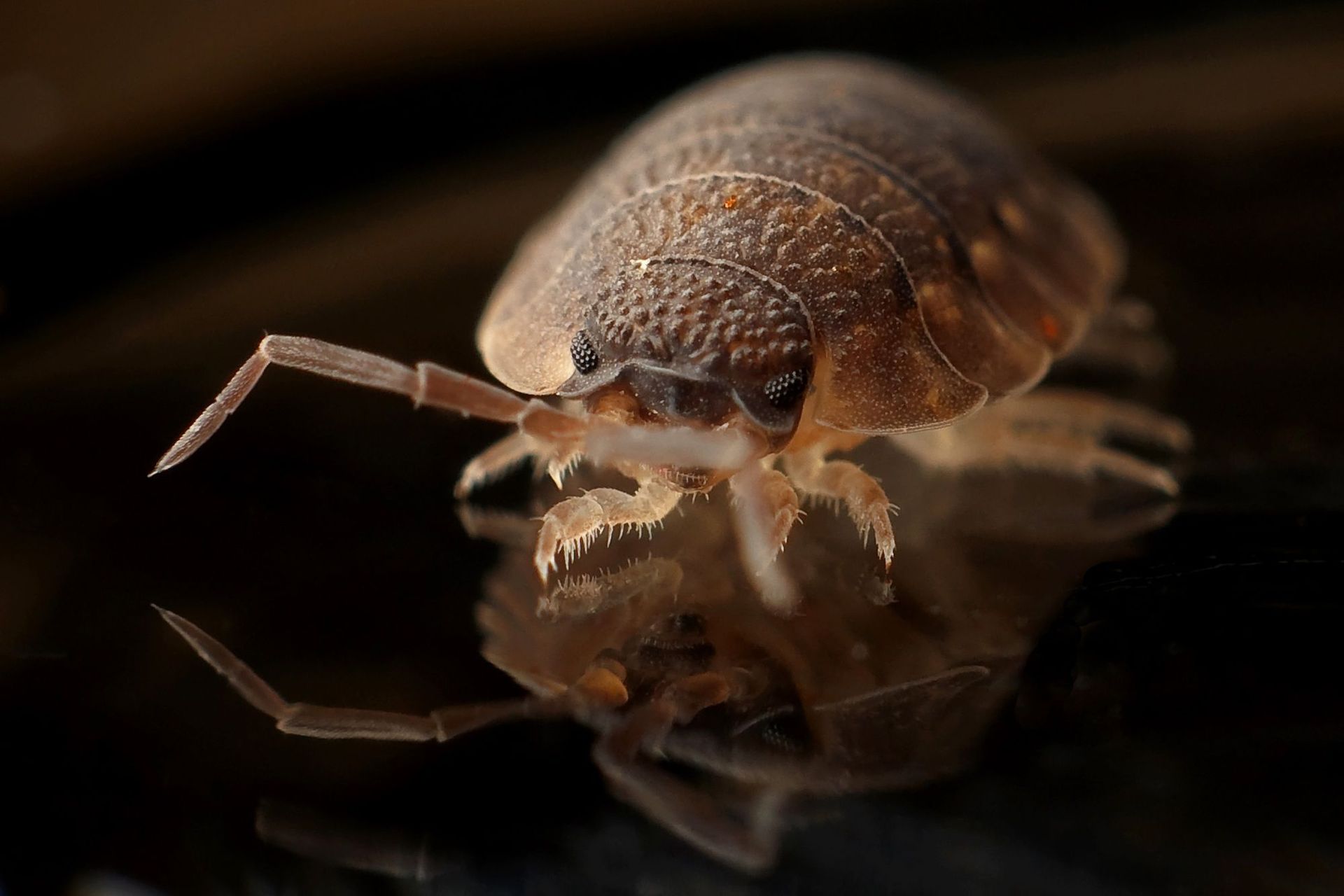
Bed bugs are especially good at traveling unnoticed. They can move from hotels, rentals, dorm rooms, camps, or other places into luggage, backpacks, clothing, and personal belongings.
Penn State Extension notes that travelers can transport bed bugs on luggage or clothes, which is why a few simple checks after a trip can make a real difference.
For families in Lancaster County, the goal is not to panic over every mark or insect. It is to know what to inspect, what to do with your travel items, and when a professional bed bug inspection makes sense.
Start With Your Luggage Before It Reaches the Bedroom

One of the easiest ways to reduce risk is to keep suitcases and travel bags away from beds when you get home.
The U.S. Environmental Protection Agency recommends unpacking directly into a washing machine, inspecting luggage carefully, and storing suitcases away from bedrooms. A basement, garage, mudroom, or other area away from sleeping spaces can be a better place to sort travel items.
Before putting a suitcase back into storage, check:
- Zippers and zipper folds
- Seams, piping, and fabric edges
- Exterior pockets
- Handles and straps
- The underside and wheel area
- Any cracks or rigid-frame joints
Bed bugs are small and flat, which allows them to hide in narrow spaces. You may see a live insect, shed skin, small dark spotting, or another sign that deserves a closer look.
After-Travel Checklist
3 Steps Before Your Suitcase Goes Back Into Storage
Isolate the luggage
Keep travel bags away from beds and sleeping areas while you inspect them.
- Check seams and zipper folds
- Inspect pockets and handles
- Look around wheels and the underside
Process the clothing
Move washable travel clothing directly to the laundry area instead of sorting it on the bed.
- Follow fabric care labels
- Use appropriate dryer heat
- Keep delicate items separated
Inspect sleeping areas
Carefully check the places where bed bugs commonly hide if you are concerned about exposure.
- Inspect mattress seams
- Check the bed frame and headboard
- Look for physical evidence
Move Clothing Straight to the Laundry
A suitcase full of clothing can give a hitchhiking bed bug plenty of places to hide. Rather than carrying the bag into a bedroom and sorting clothes on the bed or floor, move washable items directly to the laundry area.
Dryer heat is particularly important. EPA travel guidance explains that high-temperature dryer time can kill bed bugs and that washing alone generally is not enough. Penn State Extension also recommends promptly laundering travel clothing and using high dryer heat for suitable items.
Always follow the care labels on clothing and fabrics. For items that cannot safely go through a hot dryer, keep them separated until you can inspect them carefully or get professional guidance.
Check backpacks, fabric tote bags, jackets, shoes, and soft travel accessories too. If an item spent time near a bed, upholstered chair, or luggage rack, it is worth checking.
Check the Places Where Bed Bugs Usually Hide
If you are concerned that bed bugs may have made it into the house, focus your inspection around places where people sleep or rest for long periods.
Start with:
- Mattress seams, piping, labels, and fabric folds
- The box spring
- Bed-frame joints and screw holes
- The headboard
- Nearby nightstands and upholstered furniture
Bed bugs can hide in very small cracks and crevices. A quick glance at the top of the mattress is not the same as a careful inspection.
You can also check sheets and bedding for small spots or shed skins. Keep in mind that bites or skin irritation alone are not enough to confirm a bed bug problem. Many things can cause similar marks, so physical evidence and a proper inspection matter.
If you are unsure what you are looking at, Keystone Pest Solutions provides bed bug treatment and control for Lancaster County homes and can help determine whether bed bugs are actually present.
Do Not Move Suspect Items From Room to Room
When people worry about bed bugs, the first instinct is often to move bedding, clothing, furniture, or other items somewhere else. That can make the situation harder to contain.
If you find a suspicious insect or evidence near a bed, avoid carrying loose belongings through the house. Keep questionable items contained while you figure out the next step. If possible, place small washable items in sealed bags until they can be handled appropriately.
Also resist the urge to start spraying random products throughout the room. Bed bug control is difficult because these insects can hide deep inside furniture, cracks, and other protected areas. Treating only the bugs you can see may leave hidden insects and eggs behind.
What If You Stayed Somewhere With Confirmed Bed Bugs?
Finding out after your trip that a hotel, rental, dorm, or other property had bed bugs does not automatically mean your home is infested. It does mean you should be more deliberate about inspecting and handling your belongings.
Keep luggage outside the bedroom, inspect seams and pockets, process washable clothing promptly, and monitor sleeping areas for signs of activity.
If you captured a suspicious insect, keep it securely contained. A clear photo or specimen may help with identification.
For Lancaster County homeowners who want another set of eyes on the situation, our Lancaster pest control team can evaluate pest concerns and recommend the right next step based on what is actually found.
When Should You Call for Bed Bug Help?
You do not have to wait until a problem becomes obvious. Consider scheduling a professional evaluation if you:
- Find a live insect that appears to be a bed bug
- See repeated spotting, shed skins, or other suspicious signs around sleeping areas
- Know your luggage or belongings were exposed to a confirmed infestation
- Cannot determine what you are seeing after a careful inspection
At Keystone Pest Solutions, we understand that bed bug concerns can be stressful. Our approach is to listen, inspect, and recommend a plan that fits the situation without turning every concern into a sales pitch.
Our bed bug service includes inspection and targeted control methods, and our Complete Home Care Plus plan includes bed bug control. If you prefer ongoing protection, you can review Keystone's current pest control plans and choose the level of service that makes sense for your home.
Simple Bed Bug Prevention Habits for Your Next Trip
A few habits can reduce the chance of bringing bed bugs home in the first place.
EPA travel guidance recommends checking the mattress and headboard before sleeping, inspecting the luggage rack, and keeping luggage off the bed and floor. Those steps take only a few minutes when you arrive.
While traveling:
- Check mattress seams and the headboard area
- Inspect the luggage rack before using it
- Keep suitcases away from the bed
- Avoid placing loose clothing on upholstered furniture or the floor
- Keep bags closed when they are not in use
When you return home, repeat the inspection and laundry steps before travel gear settles back into your normal storage areas.
Local Bed Bug Help in Lancaster County
Bed bugs are good hitchhikers, but bringing one concern home from vacation does not mean you have to figure it out alone.
Keystone Pest Solutions is based in Mount Joy and serves Lancaster County and surrounding communities, including Lancaster, Manheim, Elizabethtown, Columbia, Lititz, Ephrata, Landisville, New Holland, and other nearby areas. You can view our full service area to see where our local team works.
If you are seeing signs of bed bugs after travel, call Keystone Pest Solutions at (717) 653-1068 or book an appointment. We will help you identify the problem, explain the options clearly, and work with you to make the pest issue a past issue.
Common homeowner questions
Frequently Asked Questions About Bed Bugs After Travel
How soon should I check for bed bugs after vacation?
Check your luggage and travel items as soon as you return home, ideally before bringing them into a bedroom. Prompt inspection and laundry reduce the chance that a hitchhiking bed bug will have time to move into sleeping areas.
Should I wash everything in my suitcase?
Washable travel clothing should be handled promptly, but dryer heat is the key part of bed bug control for suitable fabrics. Follow garment care labels and use high heat only when the item can safely tolerate it.
Can bed bugs live in suitcases?
Yes. Suitcase seams, pockets, folds, and other protected spaces can provide hiding places. Inspect luggage carefully after travel and store it away from bedrooms when possible.
Does finding bites mean I have bed bugs?
Not necessarily. Skin reactions can have many causes, and people react differently to bites. Look for physical evidence around the bed and consider a professional inspection if you cannot identify the cause.
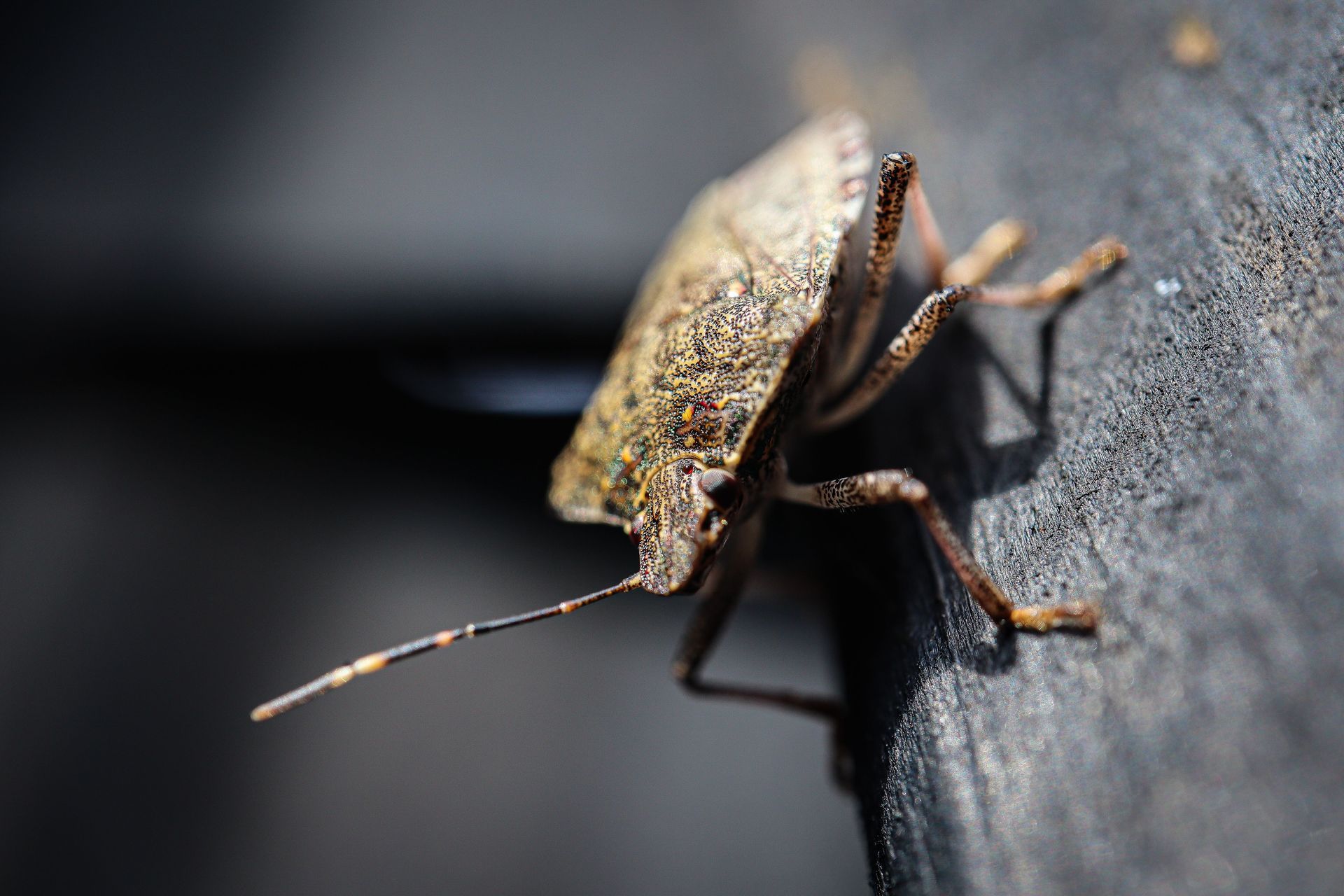
Learn when stink bugs enter Lancaster County homes, where they get inside, and practical fall prevention tips to help keep them out before winter arrives.
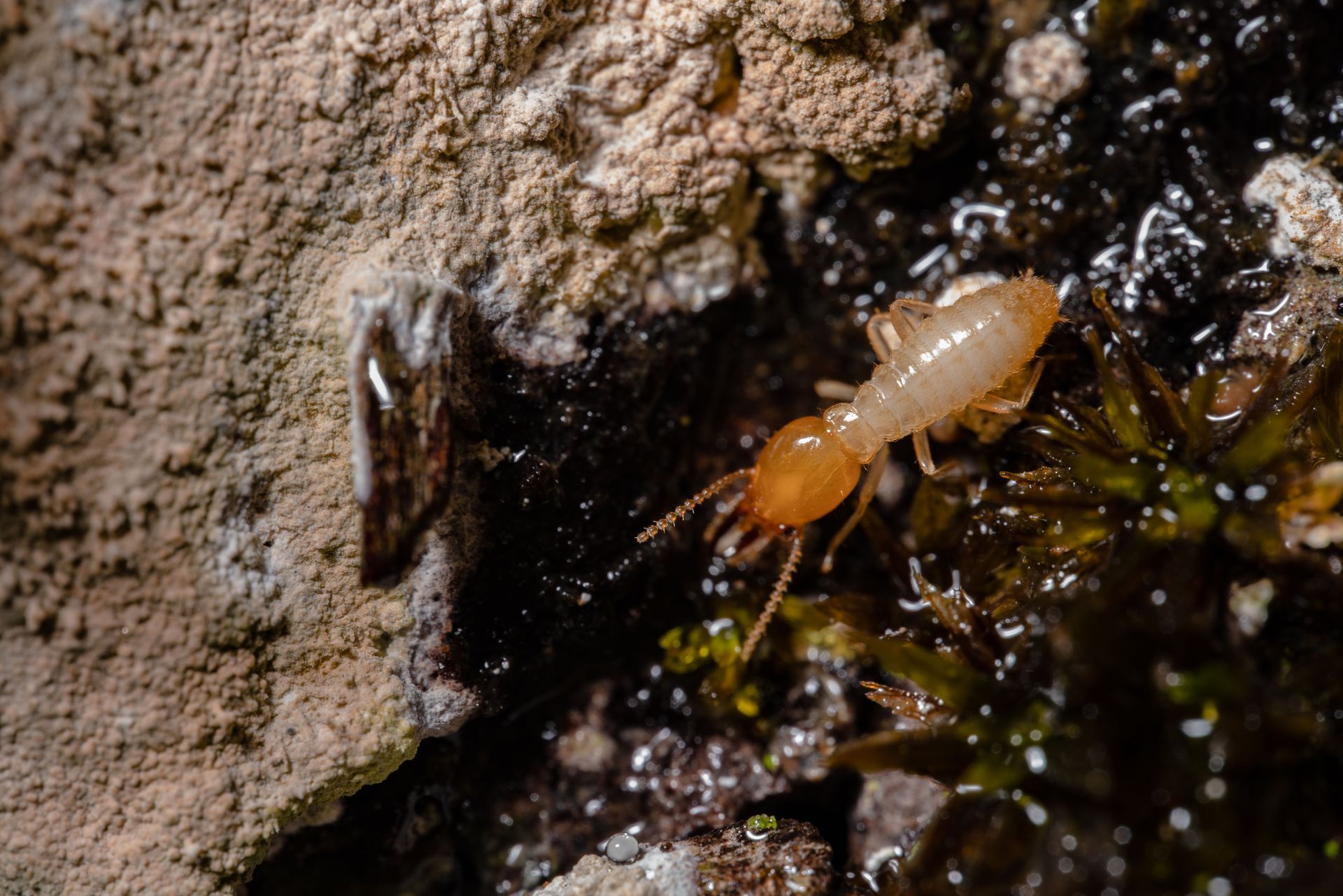
Find out if your Lancaster County home needs termite protection, what signs to watch for, and how prevention can protect against costly hidden damage.
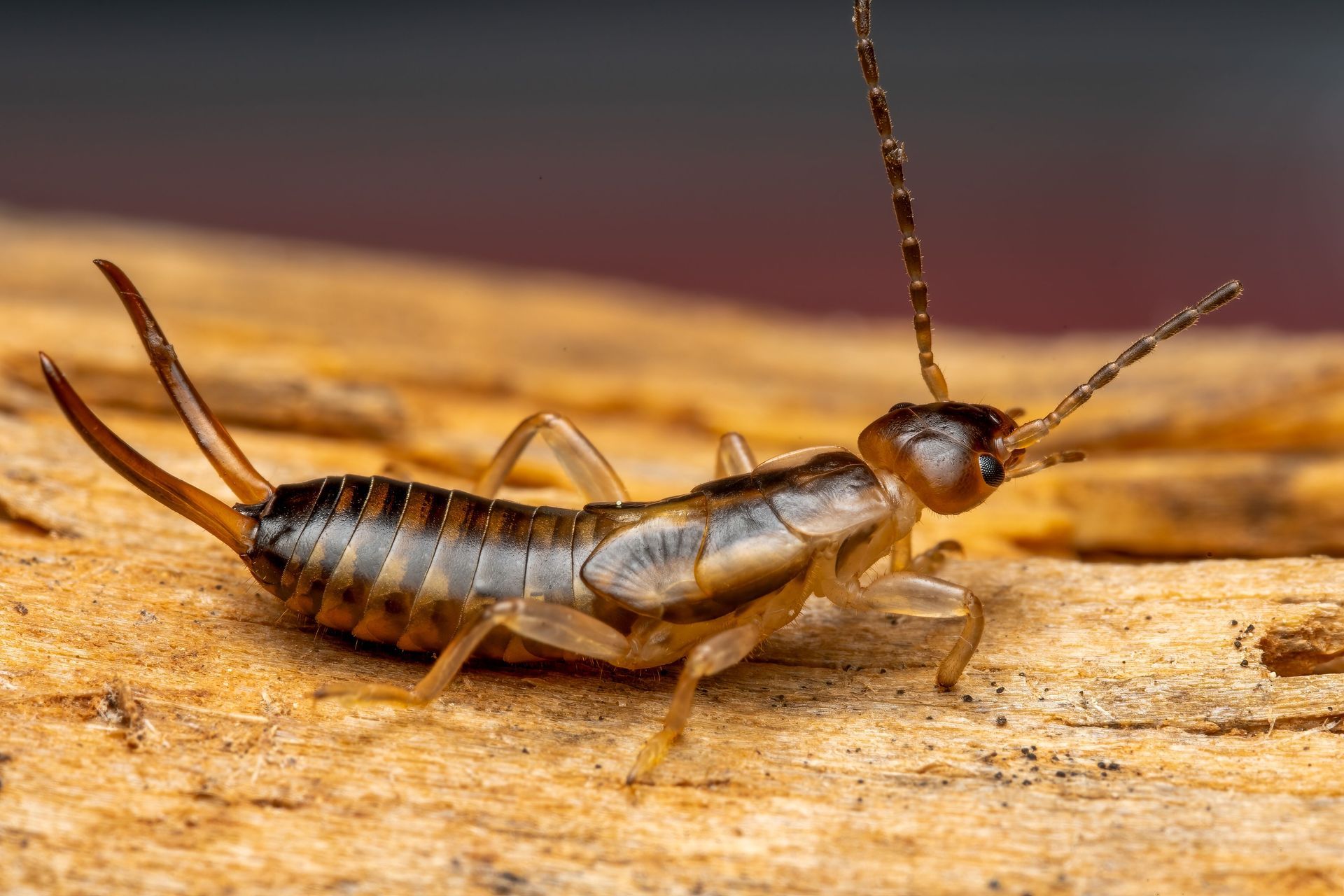
Learn why earwigs enter Lancaster County homes, which moisture and entry issues attract them, and when professional pest control is the right next step.

Protect your Lancaster County restaurant or cafe with practical pest prevention tips for rodents, roaches, ants, flies, storage areas, and entry points.
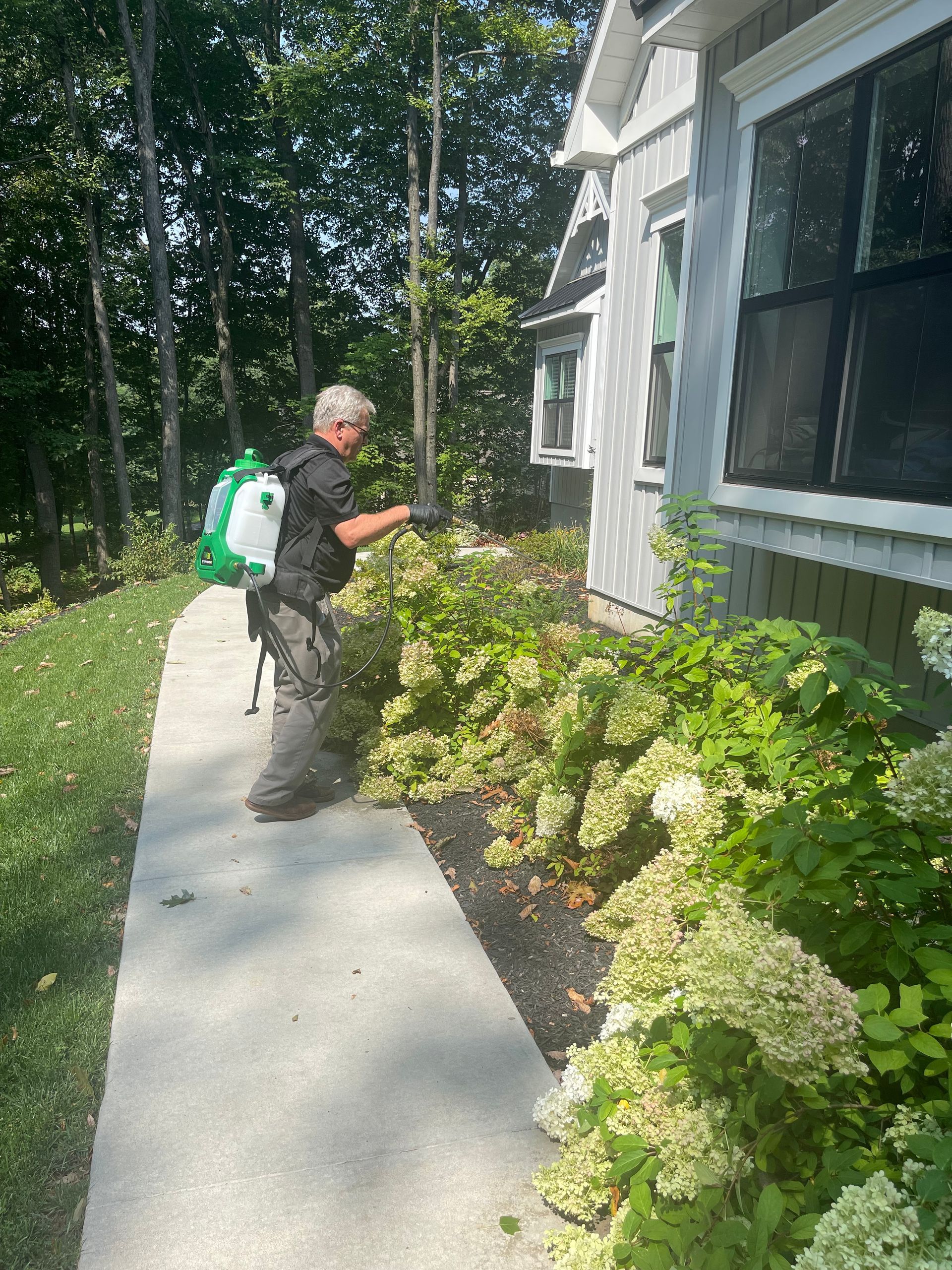
See what primarily affects pest control cost in Lancaster County, PA from one-time treatments to service plans, warranties, pests covered, and home size today.
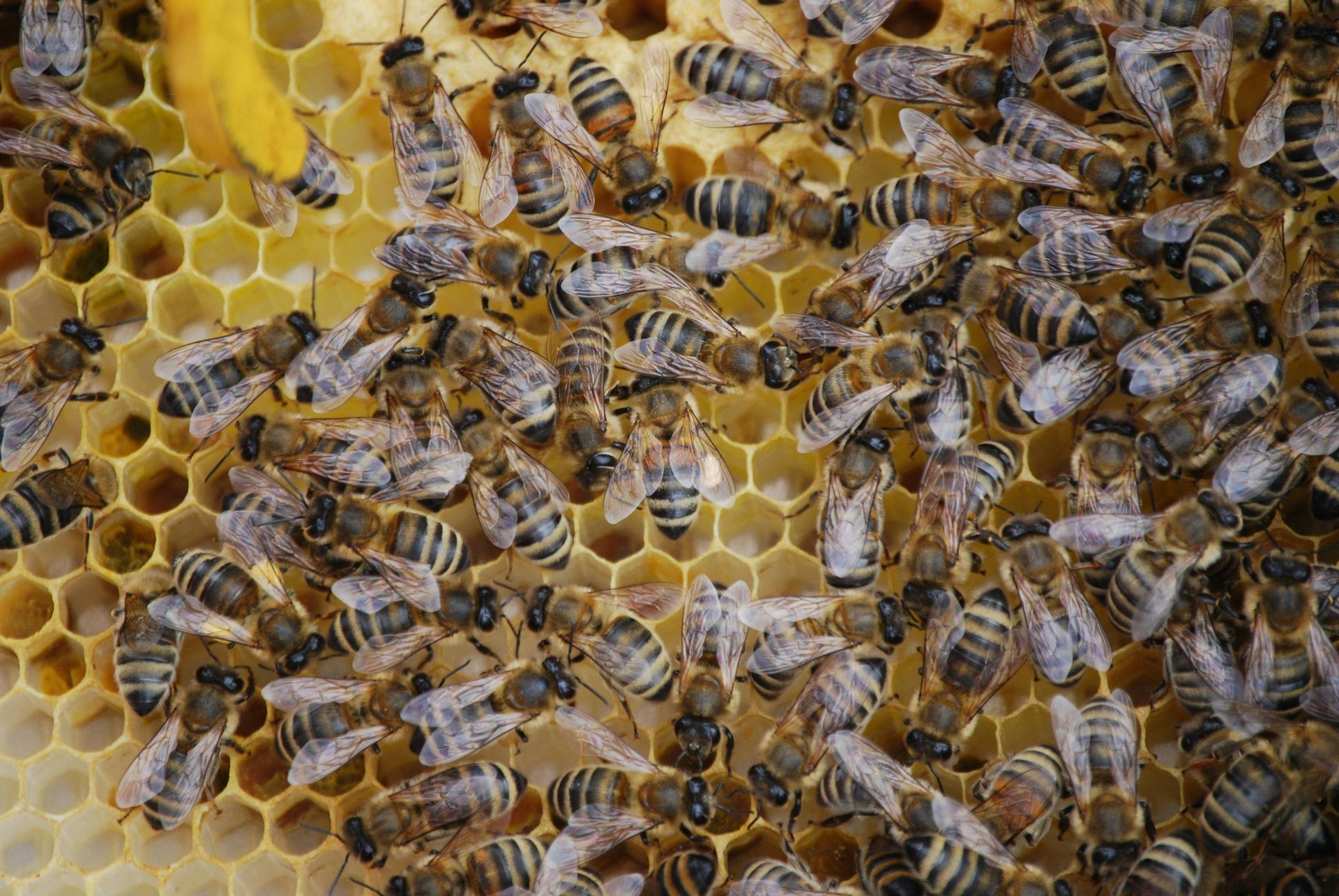
Learn what attracts bees to Lancaster backyards in spring, how to reduce nesting risks, and when to call for professional bee removal, not extermination.
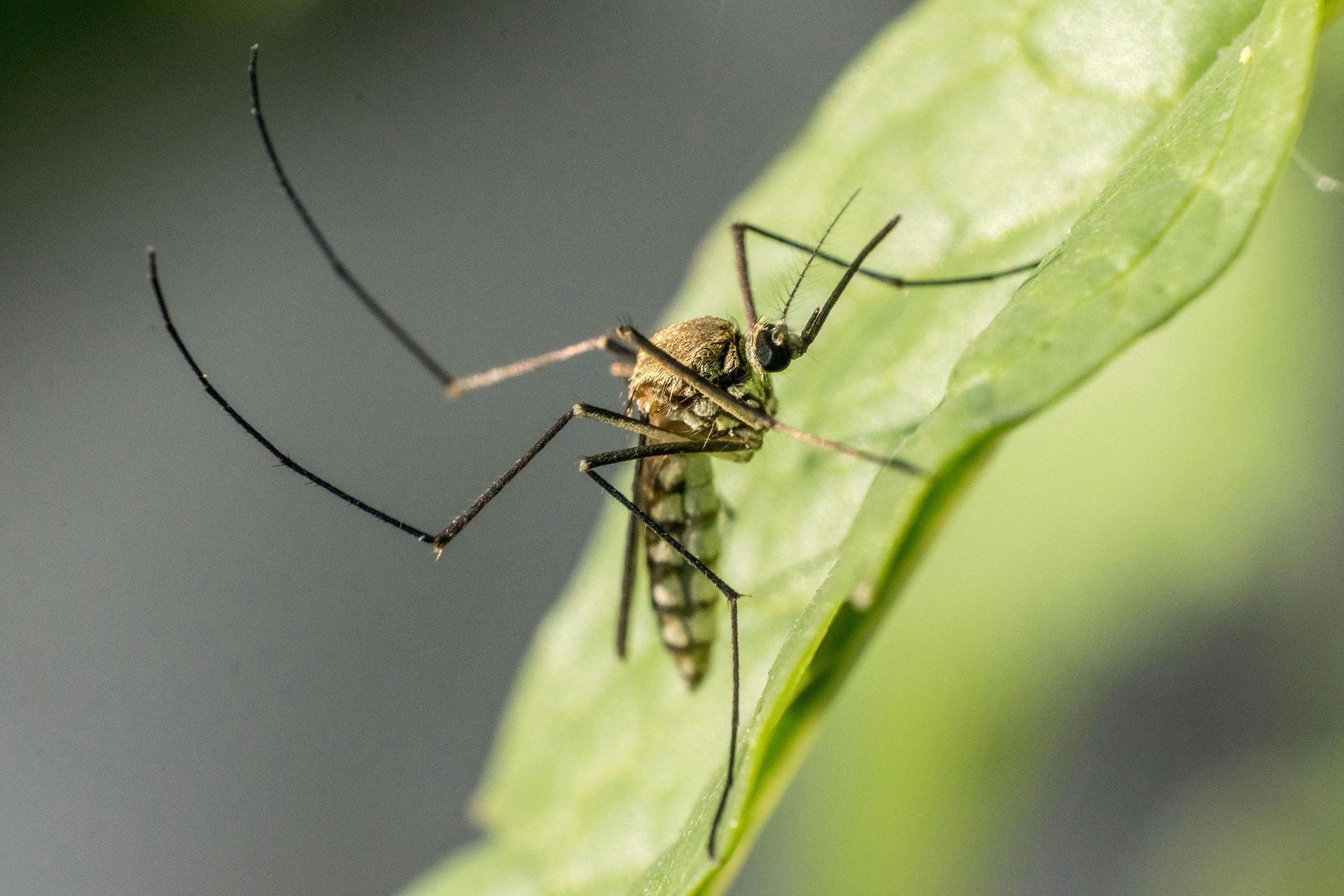
Get ahead of mosquito season in Lancaster County with simple spring yard prep tips and early mosquito control steps for homes across Central PA.

Learn how to identify early signs of vole tunneling and get ahead with smart vole removal steps before spring damage spreads in Pennsylvania lawns.

Learn which winter habits attract roaches and how a cockroach exterminator can help protect your Lancaster County, Pennsylvania kitchen from infestation.
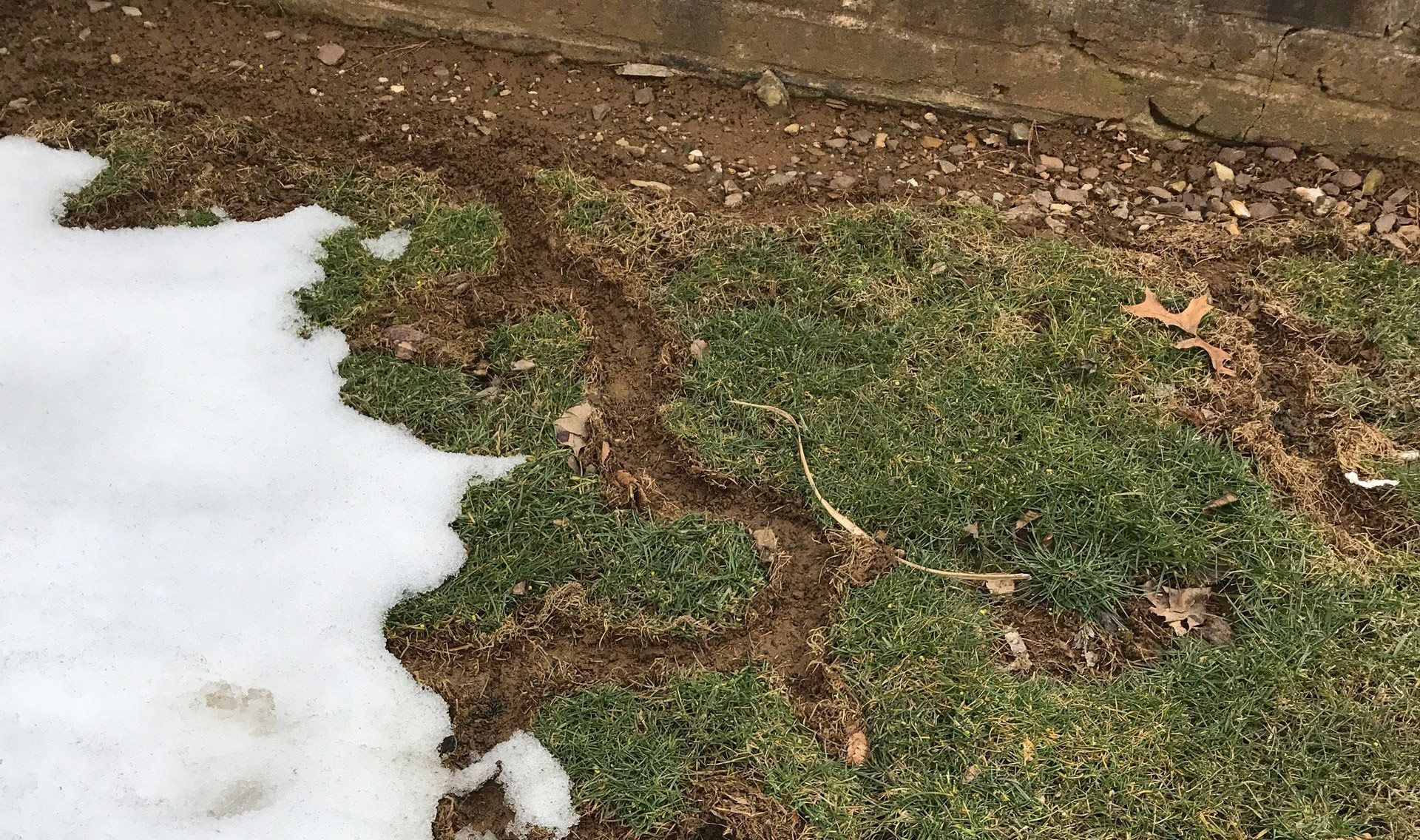
Snowy yards can hide serious vole lawn damage. Learn how to spot signs early and take action with expert vole removal to keep your grass in better shape.