When Do Stink Bugs Come Inside in Lancaster County? How to Stop a Fall Invasion
Rob Braden • September 14, 2026
Quick Summary
Lancaster Homeowner Guide
Stop Stink Bug Fall Invasions Before They Enter Your Home
Brown marmorated stink bugs seek warmth and overwintering shelter in late summer and early fall. Preventing their entry before they settle inside wall voids is the key to a bug-free winter.
What's Your Best First Move?
Seal exterior gaps early in late summer, and contact professional pest services if heavy exterior activity occurs before bugs settle indoors.
If you have ever noticed shield-shaped brown insects collecting on sunny siding, window frames, or doors in late summer and fall, you have probably met one of Pennsylvania's most familiar seasonal nuisance pests: the brown marmorated stink bug.
The important thing to know is that the best time to deal with a fall stink bug problem is usually before the bugs have settled inside. Once they move into wall voids, attics, and other protected spaces, homeowners may keep seeing them indoors through the colder months and again when temperatures begin to warm.
For Lancaster County homeowners, a little prevention in late summer and early fall can make the winter months much more comfortable.
Why Stink Bugs Try to Get Inside in Fall
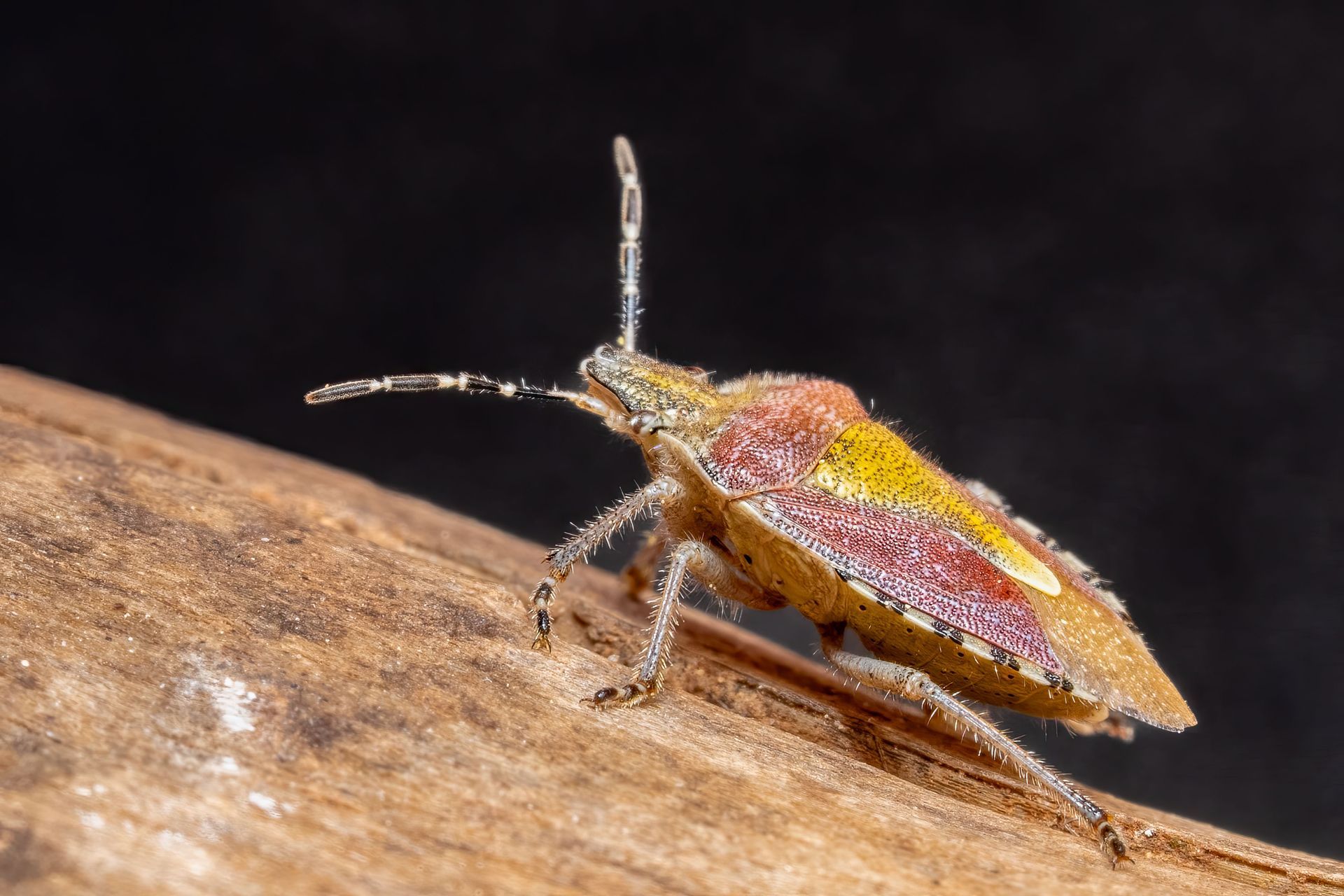
According to Penn State Extension, brown marmorated stink bugs are attracted to the outside of homes on warm fall days while searching for protected places to spend the winter. The U.S. Environmental Protection Agency likewise identifies them as a nuisance pest that seeks shelter inside houses and other buildings to overwinter.
They are not coming indoors because your home is dirty, and they are not trying to establish a feeding site in your kitchen. They are looking for a protected place where they can survive colder conditions.
That is why homeowners may first notice large groups on exterior walls that receive plenty of afternoon sun. From there, the insects can work their way into cracks and gaps around the structure.
When Does the Fall Stink Bug Invasion Start?
A Simple Fall Stink Bug Timeline
There is no single date when every stink bug heads indoors. Instead, activity tends to build as seasonal conditions change.
1
Late Summer
Start inspecting the exterior of your home and correcting obvious gaps before stink bugs begin gathering in larger numbers.
2
Early Fall
Watch for stink bugs collecting on warm, sunny exterior walls, windows, doors, and trim.
3
Cooler Weather
Bugs that have found openings can settle into protected wall voids, attic spaces, and other sheltered areas.
Best time to act:
When you first notice exterior activity, not after stink bugs are already appearing throughout the house.
There is no single calendar date when every stink bug in Lancaster County suddenly heads indoors. Activity depends on weather, the property, sun exposure, and nearby habitat. In practical terms, homeowners should start thinking about prevention in late summer rather than waiting until cold weather has fully arrived.
Warm days followed by cooler nights are a useful reminder to inspect the exterior of your home. Once you see stink bugs gathering on siding, trim, windows, or doors, they may already be testing the structure for places to enter.
Waiting until you find them crawling across an upstairs window in November or January means you are dealing with insects that may have entered weeks or months earlier.
Where Stink Bugs Get Into Lancaster County Homes
Brown marmorated stink bugs do not need a wide-open door. They can take advantage of small openings in the exterior envelope of a home.
Common areas worth checking include:
- Gaps around window and door frames
- Damaged or loose screens
- Openings where utility lines or pipes enter the home
- Gaps around siding, fascia, soffits, and trim
- Areas around chimneys and vents
- Cracks where different building materials meet
Penn State recommends mechanical exclusion as the best way to keep brown marmorated stink bugs out of homes. Their guidance specifically calls for sealing cracks around windows, doors, siding, utility pipes, chimneys, fascia, and other exterior openings, along with repairing damaged screens. Read Penn State's stink bug guidance.
How to Help Keep Stink Bugs Out Before Fall
The Best Strategy Depends on Where the Stink Bugs Are
Before They Get Inside
- Inspect likely exterior entry points.
- Repair damaged screens and obvious gaps.
- Pay attention to sunny walls where bugs gather.
- Focus on reducing access to protected voids.
After They Are Already Inside
- Avoid crushing bugs because of their odor.
- Vacuum visible insects from living spaces.
- Inspect recurring indoor sighting areas for openings.
- Understand that hidden bugs may still remain inside wall voids.
Seal the Exterior Before Bugs Start Congregating
Walk around the house and look closely at areas where trim, siding, windows, doors, vents, cables, and pipes meet. Small maintenance issues that seem insignificant can become pest entry points.
Use appropriate exterior sealants and repair materials for the surface involved. Replace torn screens, correct obvious gaps, and check weatherstripping around frequently used doors.
Pay Attention to Sunny Sides of the House
If one wall regularly collects stink bugs on warm fall afternoons, give that side extra attention during your inspection. Look around window trim, siding edges, soffits, vents, and roofline transitions for places insects could move behind the exterior surface.
Address the Problem Before the Bugs are Inside
Exterior prevention is much more useful than chasing individual stink bugs around the house later. The goal is to reduce the number that make it into protected voids in the first place.
Keystone Pest Solutions includes stink bugs among the pests covered by its residential programs. Homeowners who want professional help can review Keystone's
pest control services or compare
current pest control plans before fall activity increases.
What to Do if Stink Bugs Are Already Inside
First, do not panic. Brown marmorated stink bugs are a nuisance, but EPA states that they do not bite people or animals and do not damage buildings.
Avoid crushing them. The odor that gives stink bugs their name can become very noticeable when the insects are disturbed or squashed.
Penn State recommends removing live or dead stink bugs from indoor areas with a vacuum, while noting that the vacuum may retain the smell afterward. If bugs repeatedly appear from the same area, inspect nearby trim, baseboards, vents, light fixtures, or other openings for a route from a wall or ceiling void into the living space. EPA's stink bug information also explains why these insects become a nuisance indoors during the overwintering period.
Sealing an interior opening may reduce the number reaching your living area, but it does not necessarily mean the insects are no longer inside the structure. That is one reason prevention before entry is so valuable.
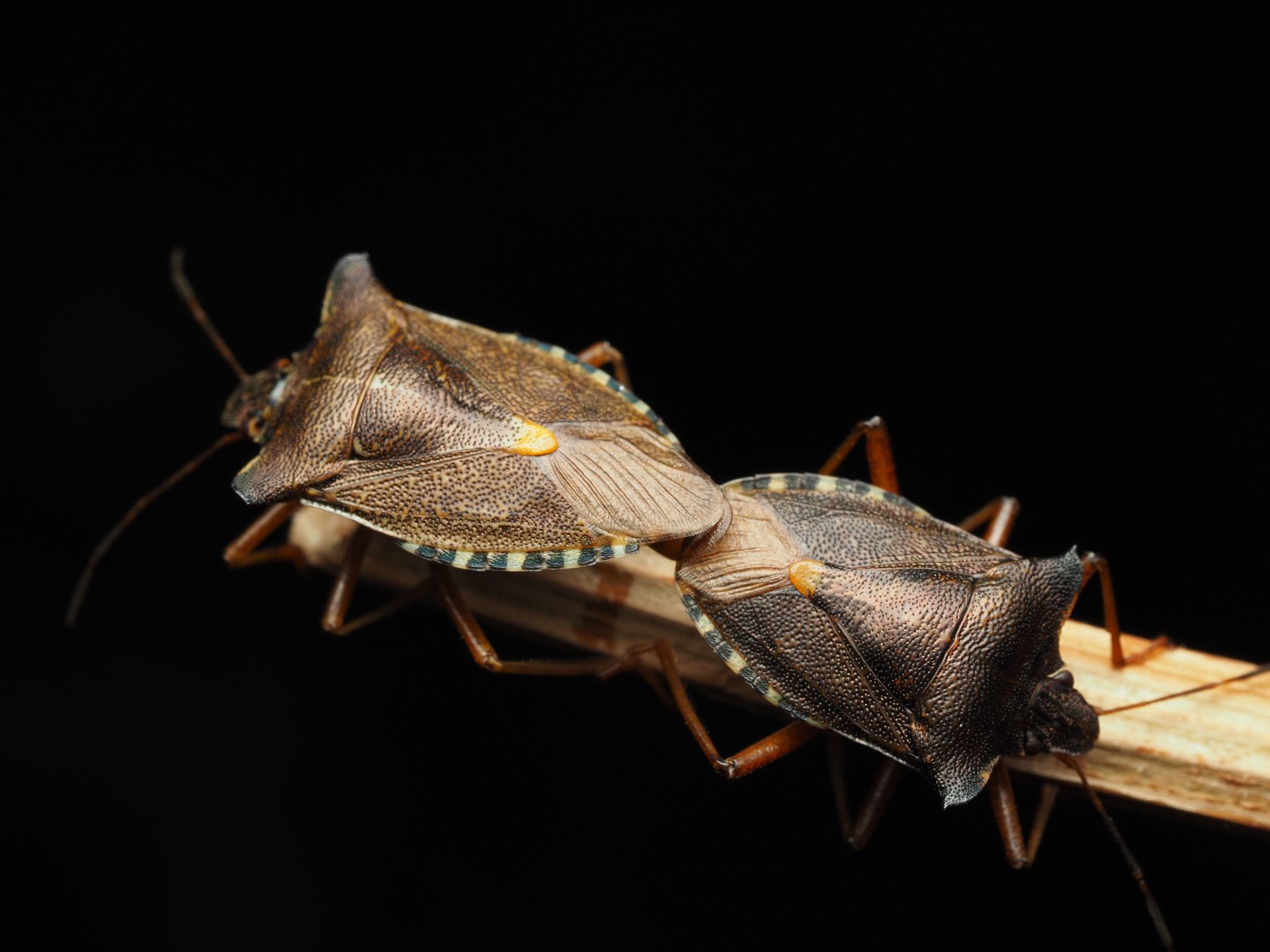
Do Stink Bugs Reproduce Inside Your House?
This is one of the more reassuring parts of the problem. Penn State states that brown marmorated stink bugs do not reproduce inside structures and do not cause structural damage.
If you see one or two indoors during winter, it does not automatically mean a breeding population is spreading through the house. Those insects may simply be emerging from the protected spaces where they have been overwintering.
However, repeated sightings or large numbers can still be frustrating, especially when they appear in living spaces, upstairs rooms, or around windows.
Why Fall Prevention Fits a Year-Round Pest Plan
Stink bugs are only one example of pests that use seasonal changes to move toward or into homes. Spiders, rodents, and other nuisance pests can also become more noticeable as the weather changes.
Keystone's existing article on winter pest control in Lancaster County explains how fall-invading insects can remain a concern after warm-weather exterior treatments end. A year-round approach helps address seasonal pest pressure at the time it is most likely to occur, rather than treating every indoor sighting as an unrelated problem.
For stink bugs specifically, timing matters. An exterior-focused prevention strategy before heavy fall entry can be more practical than waiting until insects are already hidden in walls and attic spaces.
When to Call a Local Pest Control Professional
A few stink bugs on the outside of a house may be manageable with basic home maintenance. Professional help becomes more useful when you are seeing heavy exterior activity, repeated indoor sightings, or obvious entry points that are difficult to reach or correct.
A pest professional can inspect the structure, identify likely entry areas, explain what can realistically be treated, and help you decide whether ongoing protection makes sense for your property.
Keystone Pest Solutions is based in Mount Joy and serves Lancaster County and surrounding communities. You can view the company's service area to see whether your home is within the local coverage area.
If stink bugs are gathering around your home this fall, call Keystone Pest Solutions at (717) 653-1068 or book an appointment. We will look at what is happening around your property, explain your options clearly, and help make your pest issue a past issue.
Common homeowner questions
Frequently Asked Questions About Fall Stink Bugs
Why do stink bugs suddenly show up on my house in fall?
Brown marmorated stink bugs gather on buildings as they search for protected places to overwinter. Warm, sun-exposed exterior surfaces can become especially noticeable gathering points during fall.
Are stink bugs dangerous to people or pets?
Brown marmorated stink bugs are considered nuisance pests in homes. EPA states that they do not bite people or animals, although their odor can be unpleasant when they are disturbed or crushed.
Will stink bugs damage my house?
Penn State states that brown marmorated stink bugs do not cause structural damage and do not reproduce inside structures. The main household problem is the nuisance created when they enter in large numbers.
What is the best way to prevent stink bugs?
The strongest starting point is exclusion. Seal exterior gaps, repair screens, check doors and windows, and inspect utility and roofline penetrations before heavy fall activity. If stink bugs are already gathering in large numbers or getting indoors repeatedly, a professional inspection can help identify the next step.
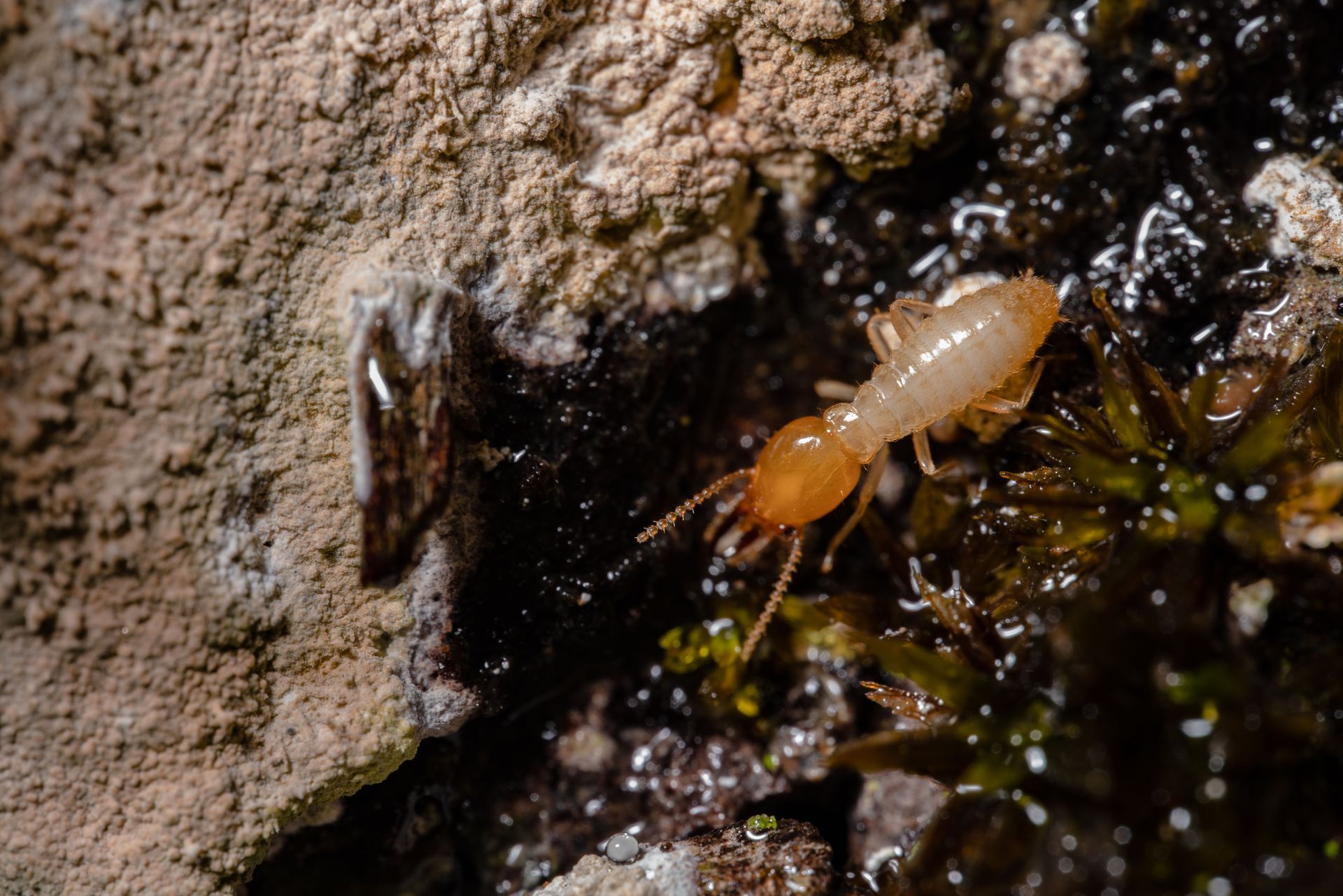
Find out if your Lancaster County home needs termite protection, what signs to watch for, and how prevention can protect against costly hidden damage.
Back from vacation? Learn how Lancaster County families can check luggage, clothing, and bedrooms for bed bugs and know when to call a local pest expert.
Learn why earwigs enter Lancaster County homes, which moisture and entry issues attract them, and when professional pest control is the right next step.

Protect your Lancaster County restaurant or cafe with practical pest prevention tips for rodents, roaches, ants, flies, storage areas, and entry points.
See what primarily affects pest control cost in Lancaster County, PA from one-time treatments to service plans, warranties, pests covered, and home size today.
Learn what attracts bees to Lancaster backyards in spring, how to reduce nesting risks, and when to call for professional bee removal, not extermination.
Get ahead of mosquito season in Lancaster County with simple spring yard prep tips and early mosquito control steps for homes across Central PA.

Learn how to identify early signs of vole tunneling and get ahead with smart vole removal steps before spring damage spreads in Pennsylvania lawns.

Learn which winter habits attract roaches and how a cockroach exterminator can help protect your Lancaster County, Pennsylvania kitchen from infestation.
Snowy yards can hide serious vole lawn damage. Learn how to spot signs early and take action with expert vole removal to keep your grass in better shape.