Mouse Droppings in Your Lancaster County Home: What to Do
Rob Braden • October 15, 2026
Quick Summary
Lancaster Homeowner Safety Guide
Found Mouse Droppings in Your Home? Start Here.
Four critical safety guidelines to follow before touching or cleaning any droppings.
What's Your Best First Move?
Open a window, wear gloves, wet-clean and double-bag the droppings, then inspect baseboards and utility pipes to locate and seal where rodents are entering.
Don’t sweep or vacuum them. Open a window, wet the droppings with disinfectant, wipe them up with gloves on, and double-bag everything. Then find out how the mice got in, because droppings trace their routes. We do that for homes across Lancaster County, and the safe cleanup steps are below.
How Can I Tell Mouse Droppings From Rat or Cockroach Droppings?
Check size first, then shape. House mouse droppings run about ⅛ to ¼ inch long, taper to a point at one or both ends, and are usually black, according to the
Montana Department of Agriculture. Rat droppings can reach ¾ inch, and cockroach droppings are ⅛ to ¼ inch with ridges and squared-off ends that show under a magnifying glass, per the
University of Arkansas Cooperative Extension Service.
- House mouse ⅛ to ¼ inch Smooth, tapered ends, usually black.
- Rat Up to ¾ inch long Noticeably thicker than a mouse pellet.
- Cockroach ⅛ to ¼ inch Ridged, with squared-off ends.
- Bat Size varies Found in piles that sparkle in a flashlight beam.
Illustrations show relative shape, not exact scale. Sources: Montana Department of Agriculture and the University of Arkansas Cooperative Extension Service.
Deer mouse and white-footed mouse droppings look like house mouse droppings, so treat anything rodent-sized as potentially infectious and keep bare hands off it. If yours are ridged and squared off, you may have cockroaches instead, and our guide to keeping cockroaches out of the kitchen this winter is the better place to start.
How Do I Clean Up Mouse Droppings Safely?
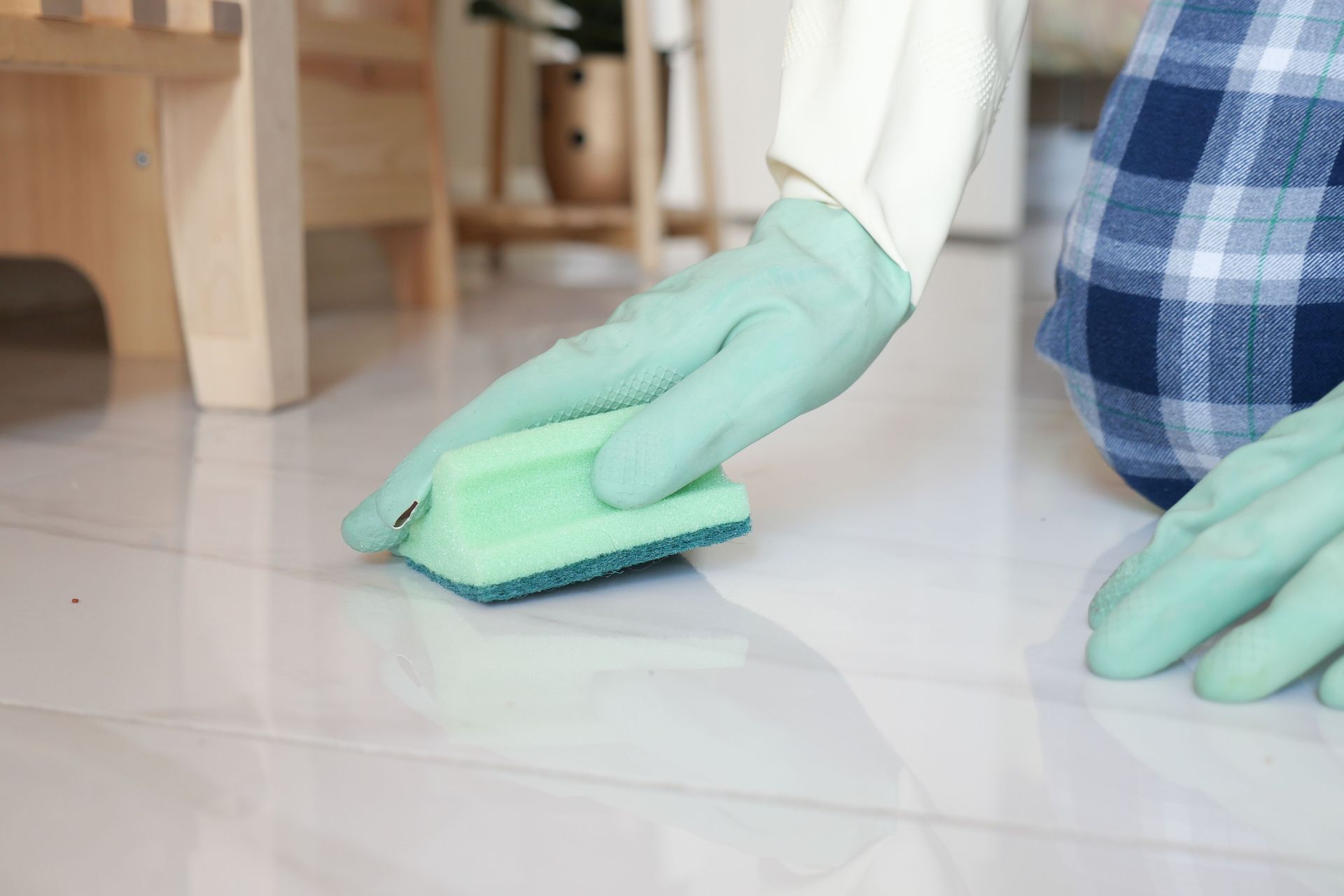
Wet-clean everything and never sweep or vacuum. The Pennsylvania Department of Health says the most common way people catch hantavirus is by breathing in tiny particles when droppings, urine or nesting material gets disturbed. That rules out a household vacuum, even one with a HEPA filter. Follow these steps:
- Open windows and doors for at least 30 minutes, and leave the room while it airs out if you can.
- Put on rubber, latex, vinyl or nitrile gloves.
- Soak the droppings, nesting material and any dead mice with an EPA-registered disinfectant, or a fresh mix of 1½ cups household bleach per gallon of water. Never mix bleach with ammonia or other cleaners.Let it sit at least 5 minutes, or for the contact time on the label.
- Wipe everything up with paper towels, then mop or sponge the area with disinfectant.
- Seal the waste and towels in a bag, put that bag inside a second bag, and place both in a covered trash can.
- Wash your gloves before taking them off, then wash your hands with soap and water.
Wash bedding and clothing in hot water. If you develop a fever, muscle aches, a cough or shortness of breath in the eight weeks after cleaning, tell your doctor you were exposed to rodent droppings..
Are Mouse Droppings Dangerous in Pennsylvania?
They call for care, not alarm. Hantavirus is rare here: the Pennsylvania Department of Health reports only two cases since 2010. White-footed mice are common in the state and can carry it, and the risk rises when you clean barns, sheds, garages and crawl spaces.
House mice carry a different virus, LCMV. The
Centers for Disease Control and Prevention
estimates that 5% of house mice in the United States carry it, and that the illness is usually not fatal. It can harm a fetus when a pregnant woman is infected, so anyone who is pregnant should talk with a doctor before cleaning up after mice. Salmonella on droppings can also stay viable for up to 86 days, per the Montana Department of Agriculture.
What Do the Droppings Tell Us About Where Mice Are Getting In?
Where droppings sit, and how many there are, mark a travel route, and the route leads back to the entry point. Mice usually stay within an area 10 to 30 feet across, according to University of Arkansas Extension, so droppings in a pantry cabinet mean a nest or an opening close by. A house mouse leaves 50 to 75 pellets a day along the paths it explores, so a line of pellets along a baseboard shows its route, and a cluster near a pipe or vent often shows where it comes through.
Mice can use any gap larger than ¼ inch. The usual suspects are utility pipes, dryer vents, loose garage door seals and cracked mortar in older foundations. Lancaster County ranks first among Pennsylvania’s 67 counties in agricultural sales, with 4,680 farms, per the USDA 2022 Census of Agriculture. Farm feed and outbuildings put food and shelter close to a lot of homes here.
When we inspect, we follow the droppings to the entry points and nest sites, recommend which gaps to seal, and place snap traps, multi-catch traps and tamper-resistant bait stations where the activity is. Our guide to
keeping mice out of your basement
covers the sealing work you can start on your own.
- 2 hantavirus cases reported in Pennsylvania since 2010 Pennsylvania Department of Health
- 5% of U.S. house mice estimated to carry LCMV Centers for Disease Control and Prevention
- 50 to 75 pellets a day from one house mouse Montana Department of Agriculture
- 4,680 farms in Lancaster County, first in Pennsylvania for agricultural sales USDA 2022 Census of Agriculture
When Should I Call A Pro Instead of Setting Traps Myself?

Call when droppings show up in your pantry, kitchen cabinets or drawers, or when they keep coming back after you clean. Removing the mice inside does not stop new ones from arriving if the entry points stay open, and the Montana Department of Agriculture warns that relying on removal alone leads to an endless cycle of reinfestation. Deer mouse populations tend to spike in the fall, so droppings that appear late in the year deserve a quick response.
Other signs that it is time to call: shredded paper or fabric tucked into a corner, scratching inside walls at night, and gnaw marks near food. We are based in Mount Joy, our license number is BU15122, and we start with a free estimate. See how our
mouse pest control service
works, from inspection to follow-up.
What does mouse control cost in Lancaster County?
Our subscription plans start at $29.95 a month plus tax. Coverage for mice inside the home sits in our fuller plans, so we confirm what fits after we see what is happening at your house. Cost depends on how bad the infestation is, the size of your property and how much equipment we install. You can
compare our subscription plans
before you call.
Ready to find out where the mice are coming from?
Schedule a thorough mouse inspection and get a free estimate today.
Mouse droppings questions we hear most
Frequently Asked Questions About Mouse Droppings
I found droppings but never saw a mouse. Do I still have a problem?
Yes. The Montana Department of Agriculture calls droppings conclusive evidence of rodents. Mice are active at night, so seeing none is normal, and finding droppings in the living space means they have left the walls and moved into the main part of the house.
How small a gap can a mouse squeeze through?
Seal anything larger than ¼ inch. University of Arkansas Extension notes that mice gnaw through rubber, vinyl and plastic, so use metal, hardware cloth or concrete instead of soft fillers.
Will repellents or ultrasonic devices clear mice out?
Not reliably. According to the Montana Department of Agriculture, researchers have found little evidence that electronic or sound devices evict established mice, and repellents that work in a lab rarely prove out in real homes, so expectations should stay low.
Is a garage or barn riskier to clean than a kitchen?
It can be. The Pennsylvania Department of Health lists garages, sheds, barns and crawl spaces among the higher-risk spaces, and the Montana Department of Agriculture notes that contaminated particles concentrate in enclosed spaces. Ventilate for 30 minutes first, wet-clean, and consider a professional for heavy contamination.
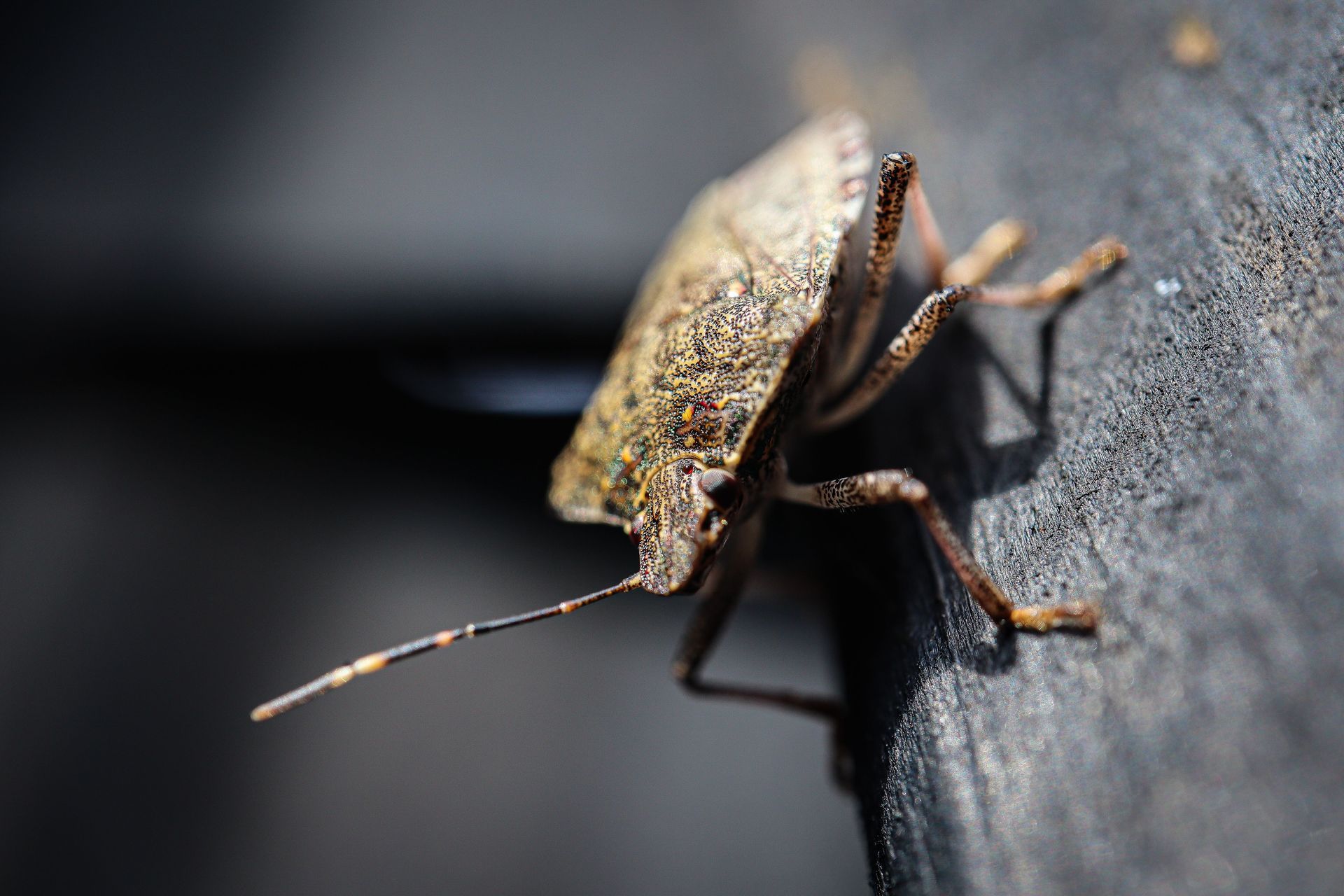
Learn when stink bugs enter Lancaster County homes, where they get inside, and practical fall prevention tips to help keep them out before winter arrives.
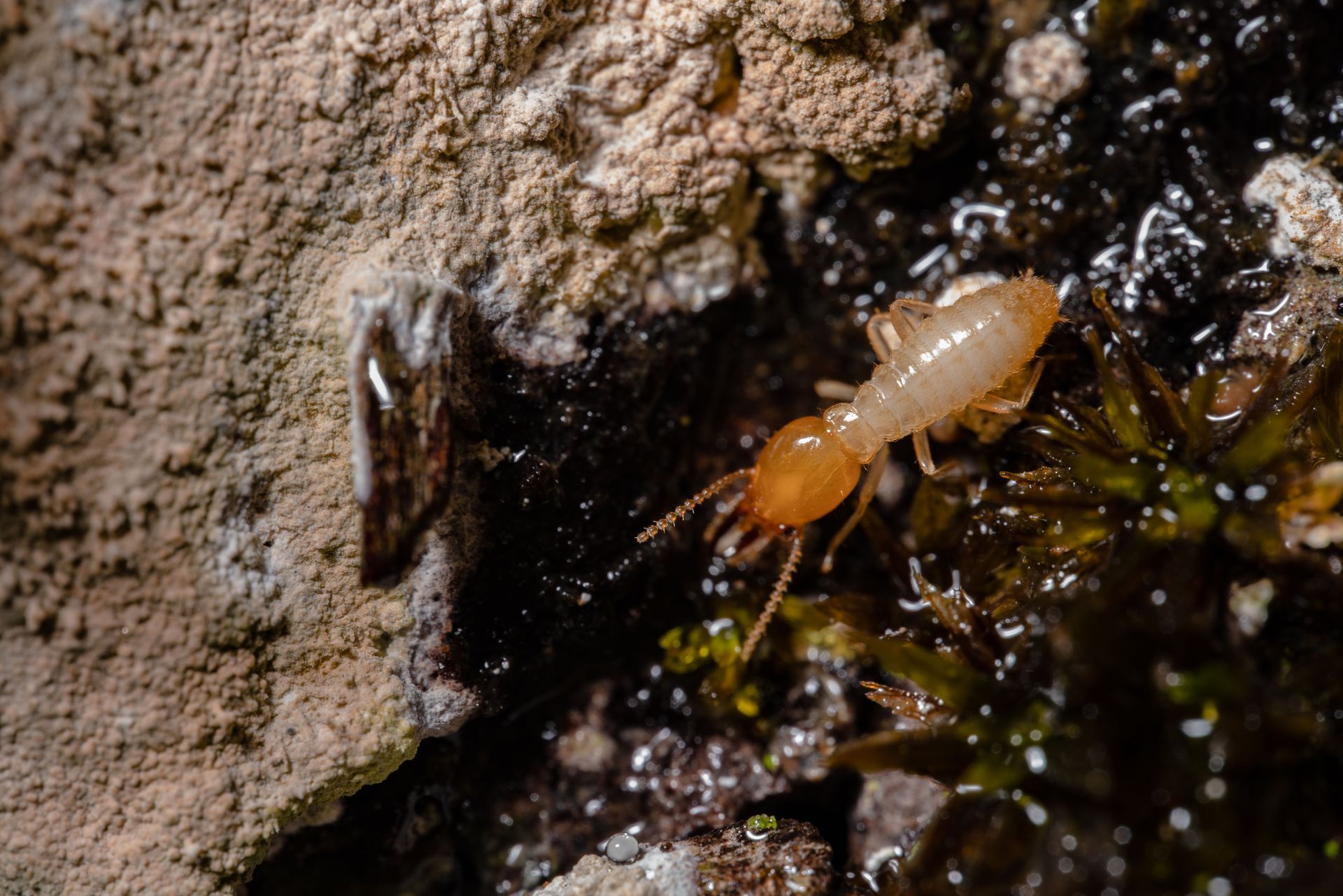
Find out if your Lancaster County home needs termite protection, what signs to watch for, and how prevention can protect against costly hidden damage.
Back from vacation? Learn how Lancaster County families can check luggage, clothing, and bedrooms for bed bugs and know when to call a local pest expert.
Learn why earwigs enter Lancaster County homes, which moisture and entry issues attract them, and when professional pest control is the right next step.

Protect your Lancaster County restaurant or cafe with practical pest prevention tips for rodents, roaches, ants, flies, storage areas, and entry points.
See what primarily affects pest control cost in Lancaster County, PA from one-time treatments to service plans, warranties, pests covered, and home size today.
Learn what attracts bees to Lancaster backyards in spring, how to reduce nesting risks, and when to call for professional bee removal, not extermination.
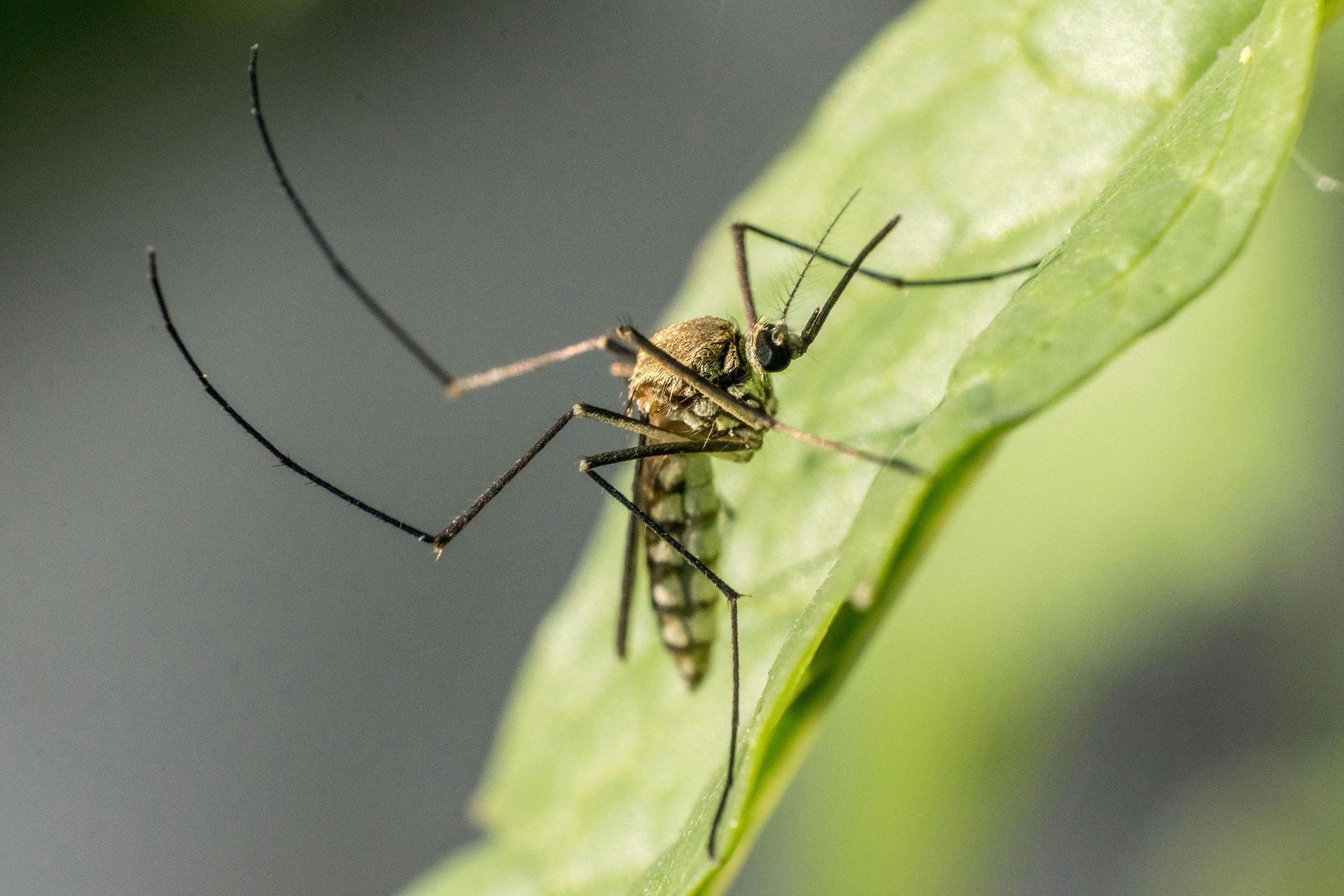
Get ahead of mosquito season in Lancaster County with simple spring yard prep tips and early mosquito control steps for homes across Central PA.

Learn how to identify early signs of vole tunneling and get ahead with smart vole removal steps before spring damage spreads in Pennsylvania lawns.

Learn which winter habits attract roaches and how a cockroach exterminator can help protect your Lancaster County, Pennsylvania kitchen from infestation.