
Do Lancaster County Homes Need Termite Protection?
Rob Braden • August 28, 2026
Commercial Pest Control for Food Service
Quick Summary
For Lancaster County restaurants, cafes, bakeries, coffee shops, and catering kitchens, pest control is reputation protection. The strongest plan prevents activity before guests, staff, or inspectors notice a problem.
Termites are easy to ignore because most of their work happens out of sight. You usually do not hear them, see them walking across the floor, or notice a sudden problem the way you might with ants in the kitchen or mice in the basement. By the time a homeowner finds wings near a window, mud tubes on a foundation, or soft wood around a sill plate, the colony may have been active for quite a while.
For homeowners in Lancaster County, termite protection is not about panic. It is about knowing the risk, recognizing early signs, and deciding when a professional inspection or prevention plan makes sense. Homes across Mount Joy, Lancaster, Manheim, Elizabethtown, Columbia, Lititz, Ephrata, Landisville, and nearby communities can all have conditions that attract termites, especially where moisture, wood, soil contact, and older construction details overlap.
Why Termites Are A Real Concern In Pennsylvania
Pennsylvania homeowners are not dealing with a rare, faraway pest. Penn State Extension identifies eastern subterranean termites as present throughout Pennsylvania and notes that they often damage structural timbers in buildings. These termites live mostly underground and travel through protected tunnels to reach wood and other cellulose materials.
That hidden behavior is what makes them different from many other household pests. The U.S. Environmental Protection Agency explains that many people do not know they have termites until they see a swarm or find damage during construction or repair work. In plain language, a house can look fine while termites are active in a concealed area. That does not mean every house has termites. It does mean that termite protection is worth considering before visible damage forces the issue.
Why Lancaster County Homes Can Be Vulnerable
Lancaster County has many homes with basements, crawl spaces, porches, additions, decks, garages, sheds, and mature landscaping. Those features can create termite-friendly conditions when moisture and wood are close to the soil.
Common risk factors include mulch piled against siding, firewood stacked close to the house, clogged gutters, poor drainage near the foundation, untreated wood touching soil, or shrubs that keep the foundation damp and shaded. Older homes can have extra risk because of repairs, settling, additions, stone or block foundation details, and hard-to-see areas near sill plates or crawl spaces. Newer homes are not immune, either. Termites care less about the age of the property and more about access, moisture, and food.
💧 Moisture
Poor drainage, leaking plumbing, damp crawl spaces, and clogged gutters increase termite risk.
🪵 Wood Contact
Wood touching soil creates an easy, direct pathway and shelter for termites to reach structural elements.
🌳 Landscaping
Heavy mulch layers, dense foundation shrubs, and stacked firewood close to walls attract foraging pests.
🏚 Older Construction
Older stone, wood-framed, or settling foundations often present hidden structural access points.
Signs Your Home May Need A Termite Inspection
You do not need to know the species or solve the problem yourself. The goal is to notice warning signs early.
Swarmers Or Discarded Wings
Winged termites, also called swarmers, are often one of the first visible signs homeowners notice. They may appear near windows, sliding doors, light fixtures, or other bright areas. Discarded wings can collect on windowsills, floors, or in spider webs.
Swarms outside do not always mean termites are inside the house, but they are still worth paying attention to. Swarmers inside the home, or repeated wing piles indoors, should be treated as a reason to schedule an inspection.
Mud Tubes On Foundation Walls
Subterranean termites need moisture protection when they travel above ground. They often build mud tubes, sometimes called shelter tubes, along foundation walls, block, brick, piers, or exposed wood. If you find a mud tube, do not scrape everything away and spray the area before calling. Leaving evidence intact can help the inspector understand where activity is coming from and what parts of the structure need closer review.
Soft, Hollow, Or Blistered Wood
Wood that sounds hollow when tapped, feels soft when probed, or has blistered paint can be a warning sign. Sometimes the surface still looks fairly normal because termites are working inside the wood. Damage may show up around trim, door frames, basement framing, garage walls, porch posts, or other wood close to the foundation.
Termite Protection Is Different From General Pest Control
A routine pest service can be excellent for ants, spiders, stinging insects, mice, and other common pests, but termites require a different inspection and treatment approach. Termites often live below ground, inside walls, or within structural wood. Effective termite control depends on identifying access points, understanding where the colony is feeding, and using treatment methods designed for structural protection.
The EPA explains that approved termite treatment options include liquid soil-applied termiticides, termite baits, building materials treated with termiticides, and wood treatments. It also notes that termiticide application often requires a trained pest management professional because improper treatment may fail to protect the structure.
For many homeowners, this is where preventive termite protection becomes valuable. A professional can inspect conditions around the home, look for signs of activity, explain whether active treatment is needed, and discuss whether a termite baiting or monitoring approach makes sense for the property.
🪽 Swarmers
Winged termites or piles of discarded wings near windows, doors, or light fixtures.
🧱 Mud Tubes
Small shelter tubes climbing foundation walls, brick, piers, or exposed sill plates.
🪚 Damaged Wood
Soft, blistered, or hollow-sounding wood around structural framing and crawl spaces.
When Preventive Termite Protection Makes Sense
Not every homeowner needs the same plan, and Keystone’s approach should begin with the home itself. Preventive termite protection may make sense if your property has had termite activity before, if a neighboring property has had termites, if you are buying or selling a home, or if the house has crawl spaces, moisture issues, wood-to-soil contact, heavy mulch, attached decks, or older structural details.
Termite damage usually develops over time, and early detection is much easier to manage than a long-hidden infestation. Termite prevention can also fit naturally into a broader home protection strategy.
What Homeowners Can Do Before An Inspection
There are practical steps that can reduce risk and make your home easier to inspect. Keep mulch pulled back from siding and wood trim. Store firewood away from the house and off the ground when possible. Keep gutters clean and downspouts moving water away from the foundation. Repair plumbing leaks, dripping outdoor spigots, and drainage problems promptly. Trim shrubs so the foundation can dry after rain.
Inside, try to keep basement and crawl space areas accessible. If boxes, storage bins, or old lumber are packed tightly against foundation walls, it becomes harder to see mud tubes or moisture issues. Good visibility helps a technician inspect more thoroughly and explain the findings clearly.
These steps are not a substitute for professional termite treatment if termites are active. They are smart maintenance habits that can reduce attractive conditions and support a more accurate inspection.
How Keystone Pest Solutions Helps Local Homeowners
Termite concerns can feel stressful, especially because activity is often hidden. Keystone Pest Solutions keeps the process practical. The company is based in Mount Joy and serves Lancaster County and the surrounding area, including Manheim, Elizabethtown, Columbia, Lititz, Ephrata, Lancaster, Landisville, and New Holland.
The termite pest control service page focuses on targeted termite treatments, eliminating infestations, and prevention strategies to help protect the property. For a homeowner, that means you do not have to guess whether a spot on the foundation is serious or whether a few wings near the window are just a seasonal nuisance. A local technician can inspect the property, explain what was found, and recommend next steps that fit the home.
The Bottom Line For Lancaster County Termite Protection
Termite concerns can feel stressful, especially because activity is often hidden. Keystone Pest Solutions keeps the process practical. The Lancaster County homes do need termite awareness, and many homes benefit from termite protection. The need is strongest when there are active warning signs, moisture issues, wood-to-soil contact, past termite history, or hard-to-inspect areas around the foundation.
The most important step is not to wait until damage is obvious. If you have seen swarmers, mud tubes, damaged wood, or conditions that make you uneasy, schedule a termite inspection with Keystone Pest Solutions. A local review can tell you whether your home needs treatment, prevention, monitoring, or simple maintenance changes.
To get started, contact Keystone Pest Solutions for a consultation and ask about termite protection for your Lancaster County home.
Common Questions
FAQs About Termite Protection in Lancaster County
Get straightforward answers about professional inspections, recognizing active warning signs, and understanding your home's termite risk.
How often should a home be checked for termites?
Many homeowners benefit from periodic termite inspections, especially if the home has moisture issues, crawl spaces, previous termite activity, or wood close to soil. A professional can recommend the right inspection schedule based on your home’s risk level.
Are termite swarmers always a sign of an infestation?
Outdoor swarmers can come from a nearby colony, but indoor swarmers or piles of discarded wings inside the home should be investigated. They are often one of the first signs that termites may be active close to or inside the structure.
Can I treat termites myself?
Termite control is not the same as treating a visible trail of ants. Because subterranean termites often live underground and inside hidden wood, professional inspection and treatment are recommended when signs are present. Store-bought sprays may kill visible insects but fail to address the colony or protect the structure.
Is termite protection worth it if I have never seen termites?
It can be, especially if your home has risk factors such as damp soil near the foundation, heavy mulch, firewood storage, crawl spaces, attached decks, or older construction. An inspection can help you decide whether prevention is worthwhile or whether maintenance changes are enough for now.
Need help protecting your home, foundation, or property from termites?
Call (717) 653-1068
Learn when stink bugs enter Lancaster County homes, where they get inside, and practical fall prevention tips to help keep them out before winter arrives.

Back from vacation? Learn how Lancaster County families can check luggage, clothing, and bedrooms for bed bugs and know when to call a local pest expert.
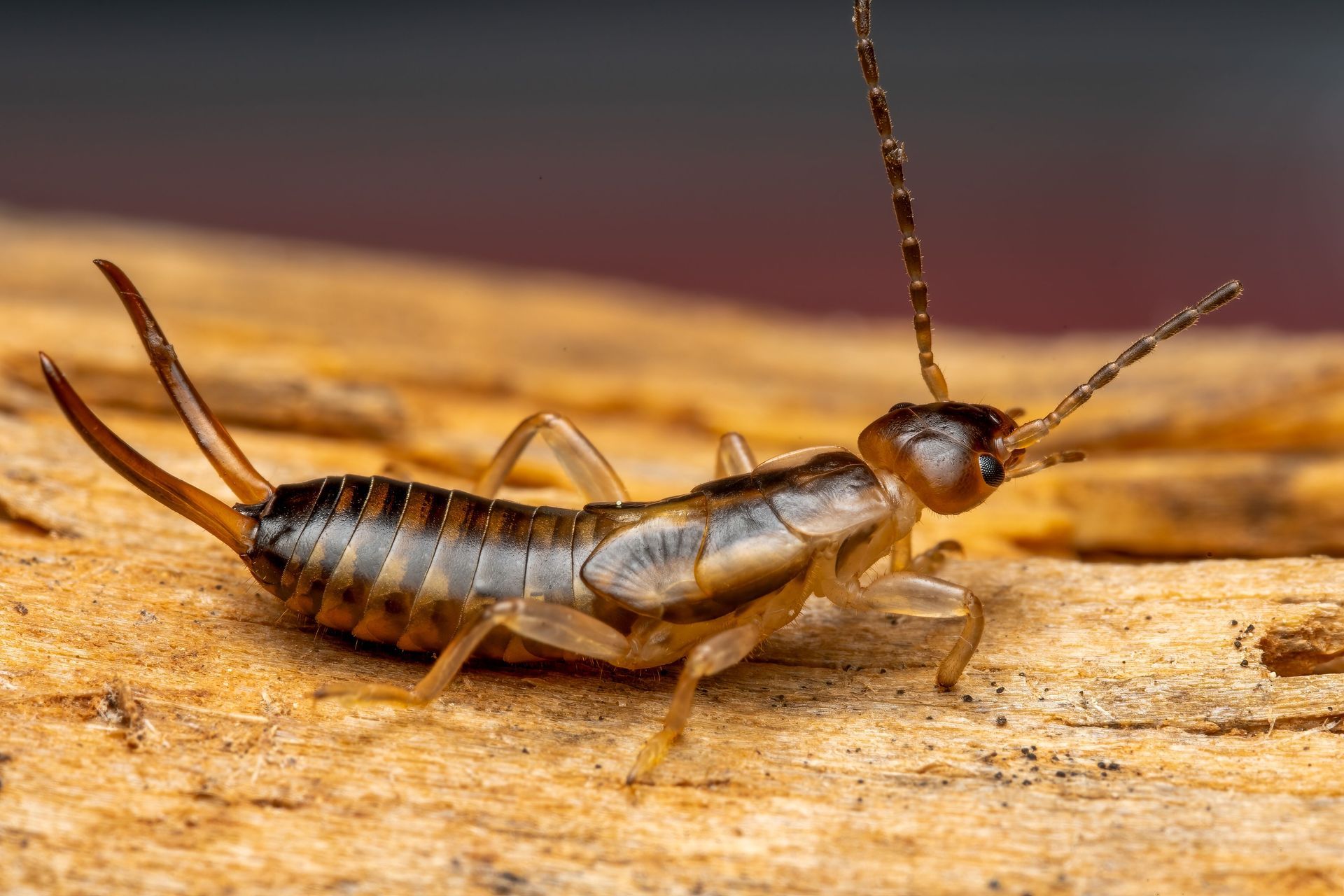
Learn why earwigs enter Lancaster County homes, which moisture and entry issues attract them, and when professional pest control is the right next step.

Protect your Lancaster County restaurant or cafe with practical pest prevention tips for rodents, roaches, ants, flies, storage areas, and entry points.
See what primarily affects pest control cost in Lancaster County, PA from one-time treatments to service plans, warranties, pests covered, and home size today.

Learn what attracts bees to Lancaster backyards in spring, how to reduce nesting risks, and when to call for professional bee removal, not extermination.

Get ahead of mosquito season in Lancaster County with simple spring yard prep tips and early mosquito control steps for homes across Central PA.

Learn how to identify early signs of vole tunneling and get ahead with smart vole removal steps before spring damage spreads in Pennsylvania lawns.

Learn which winter habits attract roaches and how a cockroach exterminator can help protect your Lancaster County, Pennsylvania kitchen from infestation.
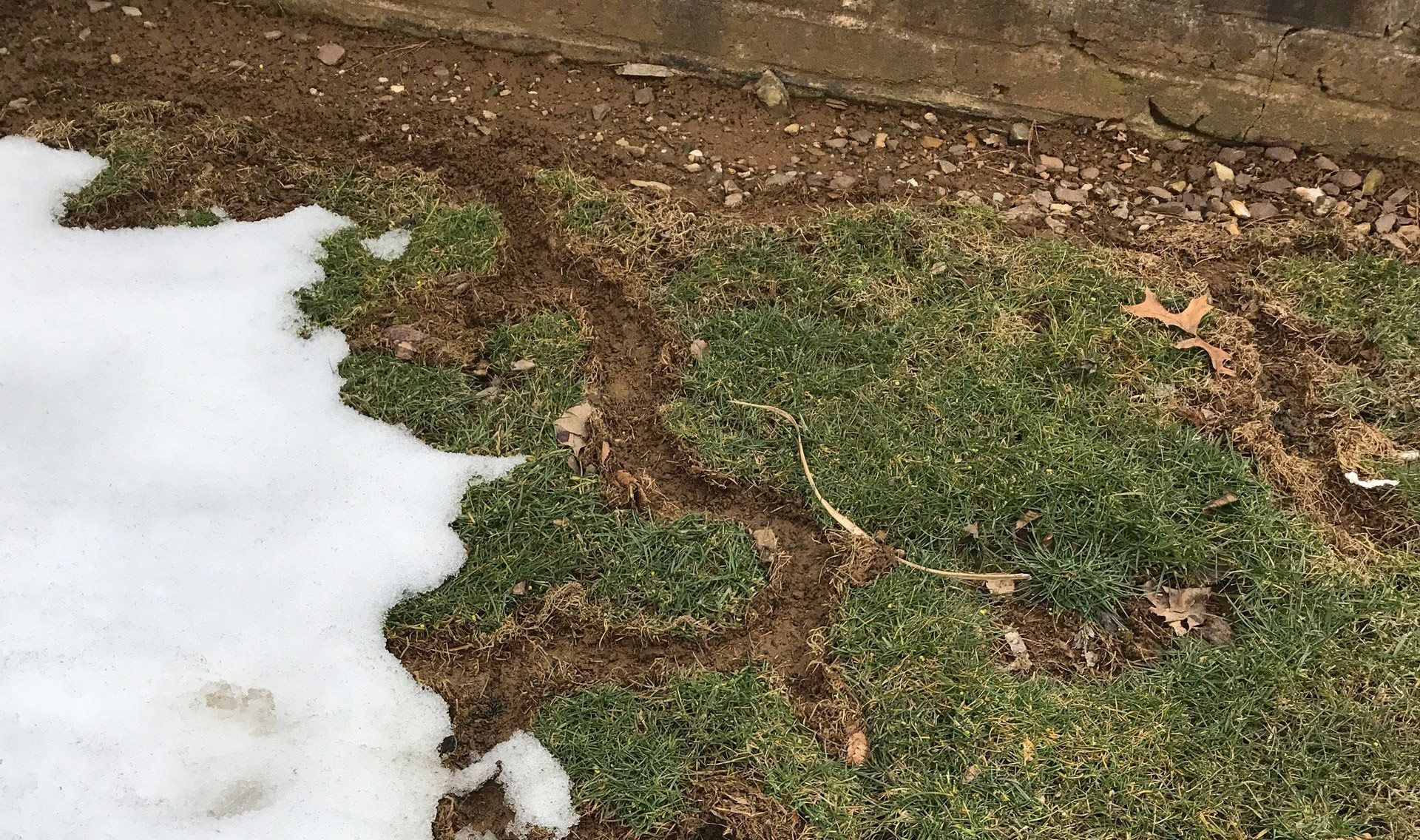
Snowy yards can hide serious vole lawn damage. Learn how to spot signs early and take action with expert vole removal to keep your grass in better shape.