Pest Control for Lancaster County Restaurants and Cafes
Rob Braden • June 26, 2026
Commercial Pest Control for Food Service
Quick Summary / TL;DR
For Lancaster County restaurants, cafes, bakeries, coffee shops, and catering kitchens, pest control is reputation protection. The strongest plan prevents activity before guests, staff, or inspectors notice a problem.
Restaurant pest control works best when no one has to think about it. Guests should remember the meal, the service, and the atmosphere, not a fly near the counter or a mouse dropping in a storage area. For restaurants, cafes, bakeries, coffee shops, catering kitchens, and other food service businesses across Lancaster County, pest prevention is part of protecting the experience you work hard to create.
Food businesses face pest pressure that is different from a typical home. Deliveries arrive often. Doors open throughout the day. Warm equipment, drains, cardboard, trash, grease, and tight spaces behind appliances can give pests what they need even when the kitchen looks clean. That is why a good plan should focus on prevention, inspection, sanitation support, and fast correction rather than waiting for an obvious infestation.
Keystone Pest Solutions offers a commercial pest control program for food service establishments and other local businesses. The strongest results happen when the restaurant team and pest control provider work together to make the building less inviting to pests before they become a customer-facing problem.
Why Local Food Businesses Need a Proactive Plan
Lancaster County food businesses operate in many different settings, from historic downtown spaces and converted buildings to rural roadside properties and newer shopping centers. Older buildings may have basements, shared walls, stone foundations, or gaps around utility lines. Rural properties may see more rodent pressure near fields, dumpsters, and exterior doors. Busy downtown locations may deal with shared trash areas, alley access, and pest activity from neighboring units.
A single sighting does not always mean a major infestation, but food service has little room for risk. Pennsylvania requires retail food facilities, including restaurants and other food vendors, to be licensed before serving customers. Pennsylvania Department of Agriculture Guidance is a helpful reference for understanding the state framework around retail food facilities.
The FDA Food Code also gives restaurants a useful food safety benchmark. The FDA describes the Food Code as a model for safeguarding public health and supporting safe food offered at retail and food service establishments. Pest prevention fits into that bigger responsibility because rodents, cockroaches, flies, and other pests can create contamination concerns as well as reputation damage.
The Pests Restaurants and Cafes Should Watch Closely
Rodents around storage, doors, and waste areas
Mice and rats look for warmth, shelter, and reliable food sources. In restaurants, they may be drawn to trash areas, spilled dry goods, loading zones, storage rooms, wall voids, and cluttered corners. A delivery door left open during a rush or a small gap under an exterior door can create an entry opportunity. Signs such as droppings, gnaw marks, damaged packaging, scratching sounds, or activity along walls should be addressed quickly. Keystone's mouse pest control services are a relevant resource for local businesses dealing with rodent concerns.
Cockroaches in hidden, warm spaces
Cockroaches are especially stressful in food service because they hide where daily cleaning may not reach. They can gather near equipment motors, compressors, drains, dish areas, wall gaps, and tight spaces under the line. A clean kitchen can still have a cockroach issue if pests arrive in cardboard, used equipment, deliveries, or neighboring spaces. Monitoring matters because activity seen in the open may mean the problem has already been building.
Ants, flies, and seasonal insects
Ants often follow moisture, sugar, grease, or small gaps around windows and doors. Cafes and bakeries can be especially attractive because of syrups, crumbs, sweet ingredients, and prep counters. Keystone's
ant control page explains why correct identification matters, particularly with species that can rebound after poor treatment. Flies often point to drains, trash, recycling, mop areas, beverage stations, or exterior waste containers. Outdoor dining can also add seasonal pressure from stinging insects.
Where Prevention Should Start
The best restaurant pest control plan does not begin with a product application. It begins with identifying the places pests are most likely to find food, water, shelter, and access. The U.S. Environmental Protection Agency describes Integrated Pest Management, or IPM, as an approach that uses monitoring, identification, prevention, and targeted control. EPA IPM principles are a strong fit for restaurants because they encourage practical decisions instead of guesswork.
Receiving and dry storage
Deliveries are one of the easiest pest pathways to overlook. Staff should inspect incoming goods before storage, break down cardboard quickly, and move products into sealed containers when practical. Storage rooms should be easy to inspect, with products raised off the floor and shelves pulled slightly away from walls. This makes cleaning easier and gives a technician a better view of early warning signs.
Kitchen line, dish area, and drains
Heat, moisture, crumbs, grease, and tight equipment spacing make the kitchen line and dish area high risk. Floor drains, soda lines, grease buildup, sink legs, wall gaps, and the spaces under prep tables deserve routine attention. Instead of waiting for a major deep clean, managers can rotate cleaning tasks through the week so hard-to-reach areas do not become long-term pest shelters.
Exterior doors, trash, and the perimeter
Many pest issues begin outside. Dumpsters, recycling bins, grease containers, weeds, standing water, damaged door sweeps, and gaps around utility lines can draw activity close to the building. This matters for businesses in Keystone's
Lancaster County service area, where seasonal changes can shift pest behavior. Rodents often become more active around structures in cooler months, while ants, flies, mosquitoes, and stinging insects create more concern in warmer weather.
What a Commercial Pest Control Visit Should Include
A useful visit should look beyond the one place a pest was seen. The technician should inspect for activity, entry points, sanitation concerns, moisture, clutter, damaged screens, door gaps, drain issues, and exterior conditions around waste areas. The findings should help the business understand what to correct, what to monitor, and what treatment steps are appropriate.
This is where local experience matters. A cafe in a historic Lancaster building may need a different plan than a restaurant in a newer retail center or a food service business near farmland. Keystone's broader pest control services cover many of the pests restaurants encounter, including ants, roaches, rodents, spiders, stinging insects, bed bugs, ticks, and mosquitoes. For commercial kitchens, the plan should fit the building, schedule, pest pressure, and areas that need discreet monitoring.
Practical Habits That Support Long-Term Prevention
Professional service is more effective when daily habits support the plan. Restaurant teams can reduce pest pressure by making small routines part of closing, receiving, and weekly maintenance.
- Check exterior doors and door sweeps weekly, especially near delivery and trash areas.
- Keep dry storage organized, sealed, and easy to inspect.
- Break down cardboard quickly instead of storing it indoors.
- Clean drains, mop sinks, beverage areas, and under-equipment spaces on a rotating schedule.
- Keep dumpster lids closed and the surrounding pad as clean as possible.
- Report pest sightings early, including the location, time, and type of activity.
These habits are not a replacement for professional service. They are the daily support that helps a pest control provider solve issues faster and prevent them from returning.
When to Call a Professional
Restaurants and cafes should call a professional as soon as pest evidence appears in a food storage, preparation, service, or waste area. Droppings, gnaw marks, live or dead cockroaches, recurring ants, damaged packaging, unusual odors, or scratching sounds should not wait. Businesses should also schedule help before a known seasonal issue returns.
DIY products can scatter pests, create safety concerns, or fail to address the source of the problem. Food service environments require careful product selection, placement, documentation, and communication with management. A fast but incomplete fix may make the issue harder to control later.
Protect the Business Behind the Kitchen
Restaurant pest control is really reputation protection. It helps safeguard guests, employees, inventory, equipment, inspections, and the trust that brings people back. The most effective plans are local, practical, and preventive. They look at the whole property, not just the spot where a pest was seen.
Keystone Pest Solutions is based in Mount Joy and serves Lancaster County and the surrounding area. If your restaurant, cafe, bakery, coffee shop, or food service business needs a prevention plan built around your space and schedule, request a consultation with Keystone Pest Solutions. Their team can inspect the property, answer questions, and recommend a commercial plan that helps make pest issues past issues.
Common Questions
FAQs About Restaurant Pest Control in Lancaster County
Get straightforward answers about pest control schedules, clean kitchens, and what restaurant staff should do when pest activity is noticed.
How often should a restaurant schedule pest control?
The right frequency depends on the building, pest history, food volume, neighboring businesses, sanitation risks, and inspection needs. Many food service businesses benefit from recurring service because it provides ongoing monitoring instead of waiting for a visible problem.
Can a clean restaurant still have pests?
Yes. Cleanliness helps, but pests can arrive through deliveries, neighboring spaces, exterior gaps, cardboard, drains, moisture issues, or doors that stay open during service. Inspection, exclusion, monitoring, and sanitation all need to work together.
What should staff do when they see pest activity?
Staff should report the location, time, and type of activity right away. Avoid random store-bought products in food service areas. Early reporting gives management and the pest control provider a better chance to correct the issue safely and efficiently.
Need help protecting your restaurant, cafe, bakery, or food service space?
Call (717) 653-1068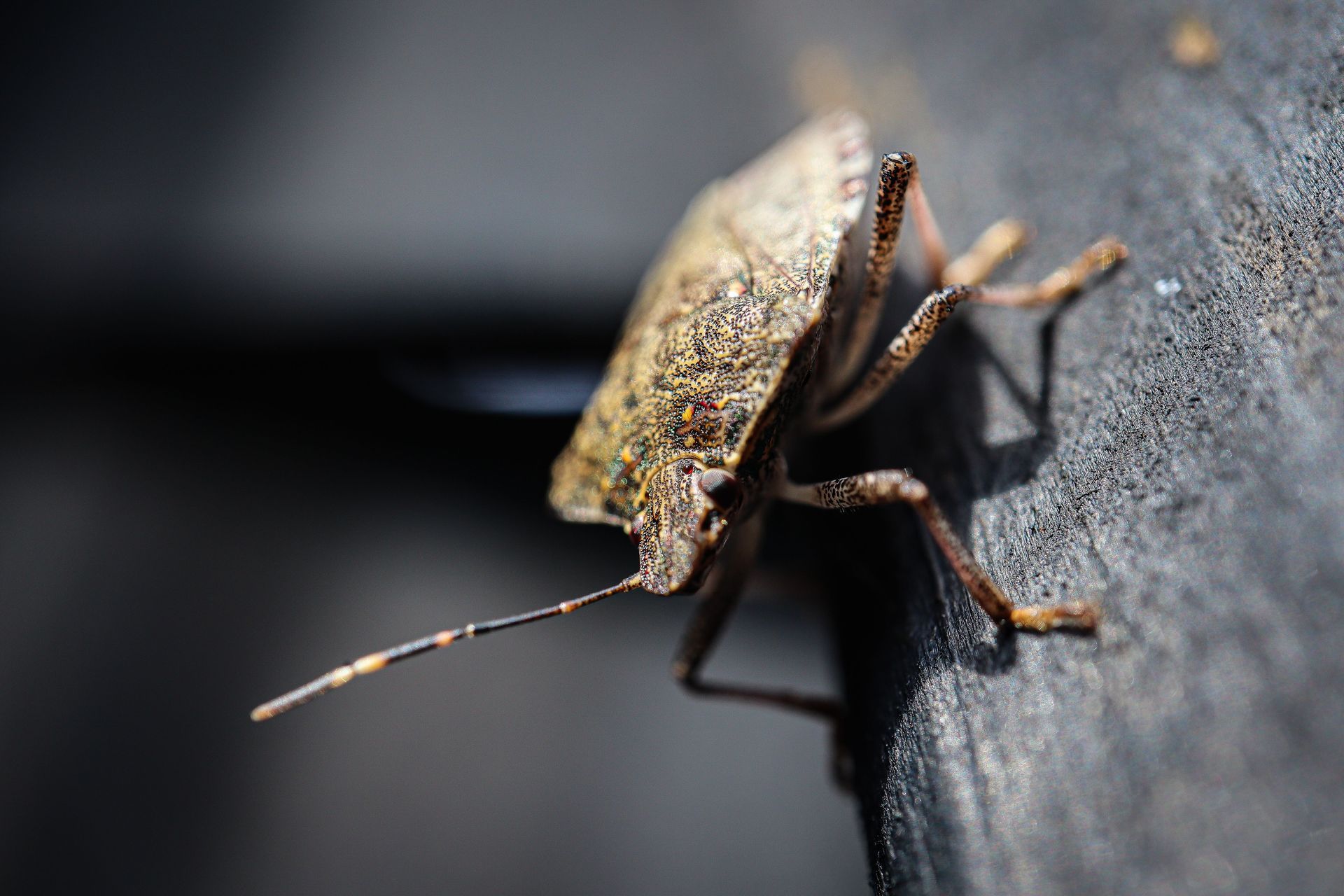
Learn when stink bugs enter Lancaster County homes, where they get inside, and practical fall prevention tips to help keep them out before winter arrives.
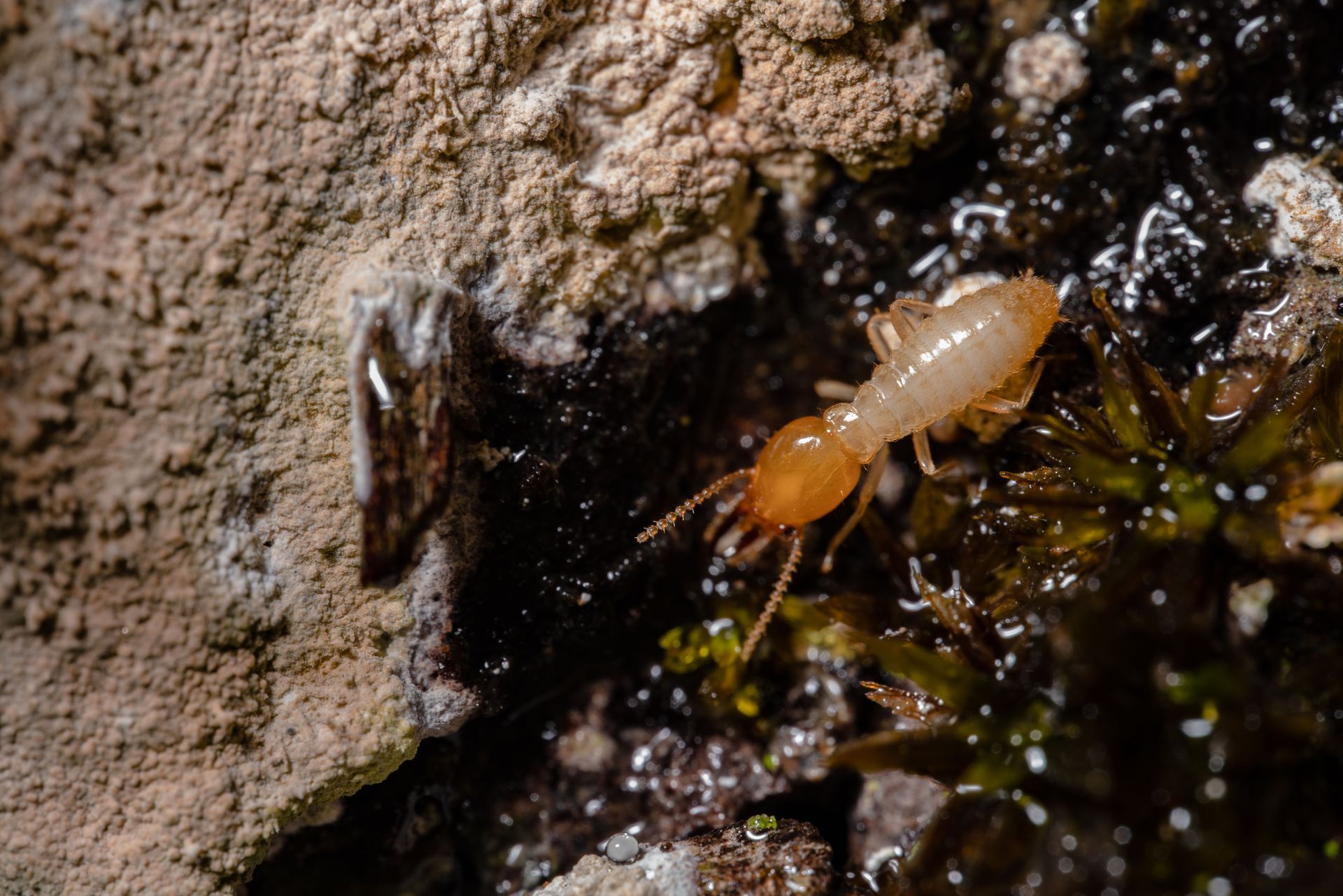
Find out if your Lancaster County home needs termite protection, what signs to watch for, and how prevention can protect against costly hidden damage.

Back from vacation? Learn how Lancaster County families can check luggage, clothing, and bedrooms for bed bugs and know when to call a local pest expert.
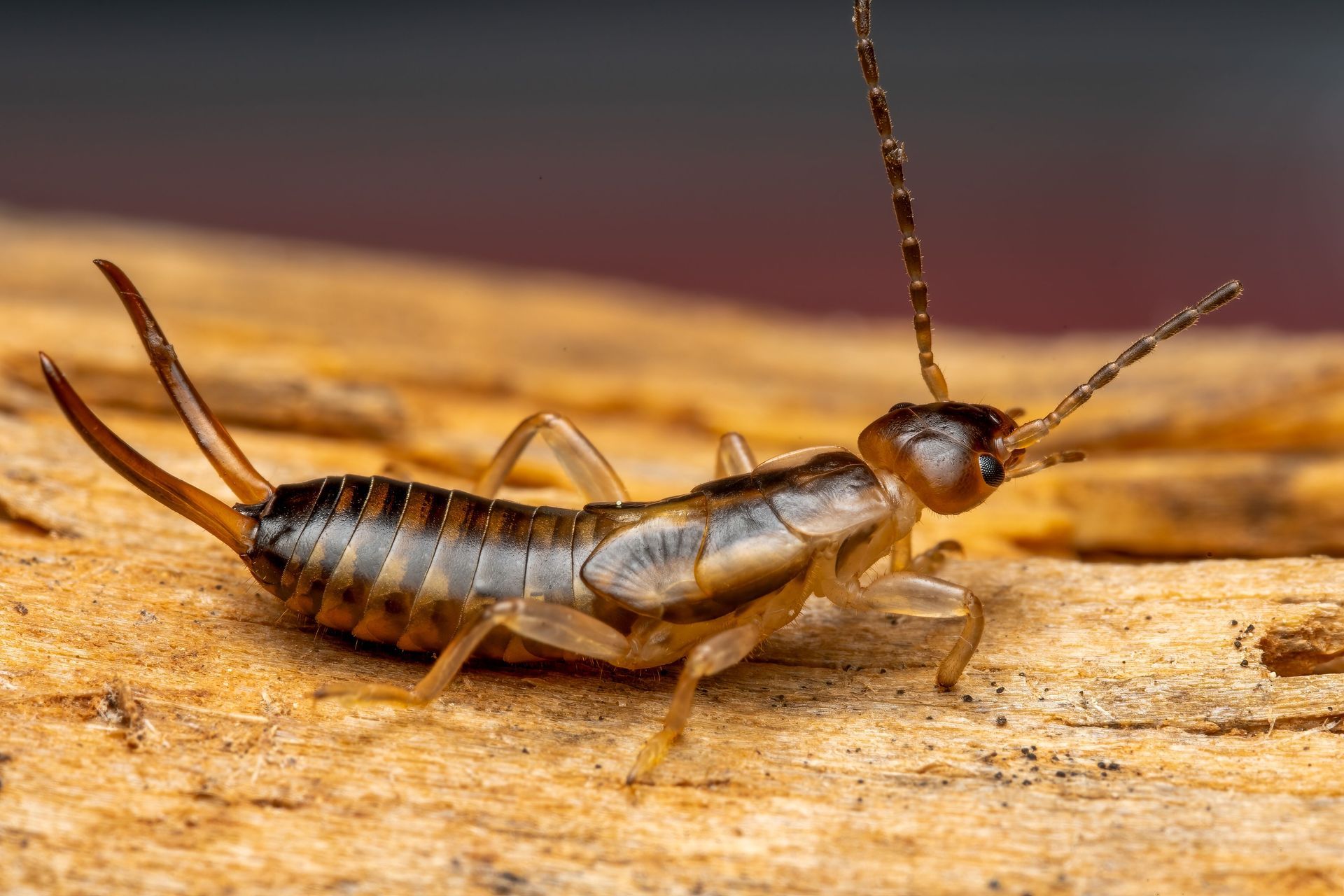
Learn why earwigs enter Lancaster County homes, which moisture and entry issues attract them, and when professional pest control is the right next step.
See what primarily affects pest control cost in Lancaster County, PA from one-time treatments to service plans, warranties, pests covered, and home size today.
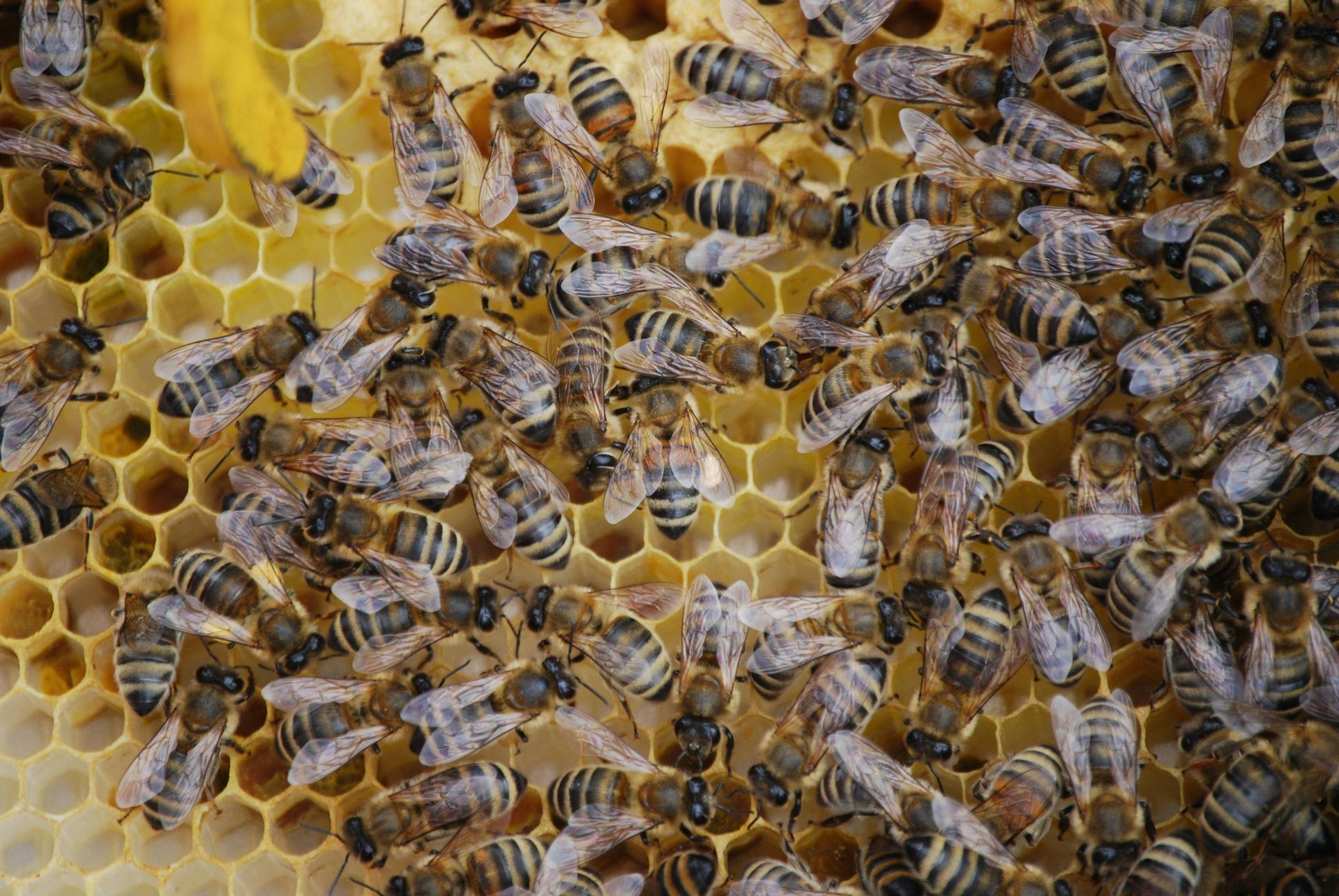
Learn what attracts bees to Lancaster backyards in spring, how to reduce nesting risks, and when to call for professional bee removal, not extermination.
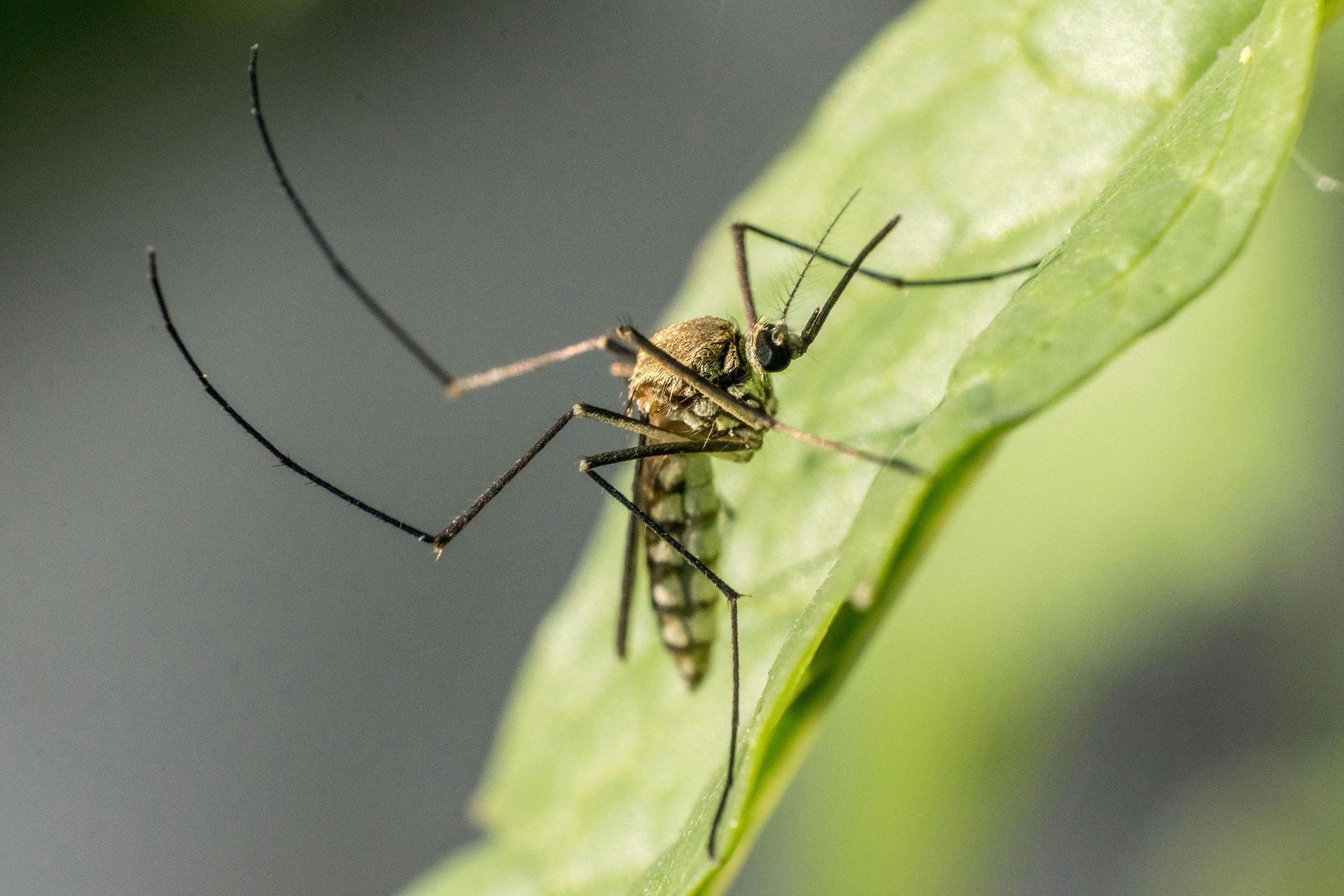
Get ahead of mosquito season in Lancaster County with simple spring yard prep tips and early mosquito control steps for homes across Central PA.

Learn how to identify early signs of vole tunneling and get ahead with smart vole removal steps before spring damage spreads in Pennsylvania lawns.

Learn which winter habits attract roaches and how a cockroach exterminator can help protect your Lancaster County, Pennsylvania kitchen from infestation.
Snowy yards can hide serious vole lawn damage. Learn how to spot signs early and take action with expert vole removal to keep your grass in better shape.