Wolf Spider or Brown Recluse? Key Facts for Pennsylvania
Four essential facts and quick safety checks to identify your spider and handle it without panic.
1Count the Eyes: 8 vs. 6Wolf spiders have 8 eyes arranged in three rows (4, 2, and 2). Brown recluses have only 6 eyes grouped in three pairs.2Recluses Aren't Established in PAPenn State Extension confirms Pennsylvania is not among the 16 states where brown recluses are established; sightings are rare hitchhikers.3Low Medical ThreatWolf spider bites cause mild localized redness and pain that fade within 24 hours, with no serious medical complications reported.4Fall Overwintering SearchWolf spiders enter homes in autumn seeking shelter to survive winter. Moving firewood and sealing foundation gaps keeps them outside.
What's Your Best First Move?
Do not crush or grab it with bare hands. Trap it under a cup with a stiff card to release it outside, check boots and gloves before wearing, and seal ground-level gaps around siding and doors.
Eight eyes in rows of four, two and two, plus a white ball or tiny spiders on its back, mean a wolf spider, not a brown recluse. Brown recluses have six eyes and are not established in Pennsylvania. A wolf spider bite hurts at worst. Below: the checks to run, why they come inside in fall, and what to do.
How Many Eyes Does a Wolf Spider Have, and What Do Recluses Have Instead?
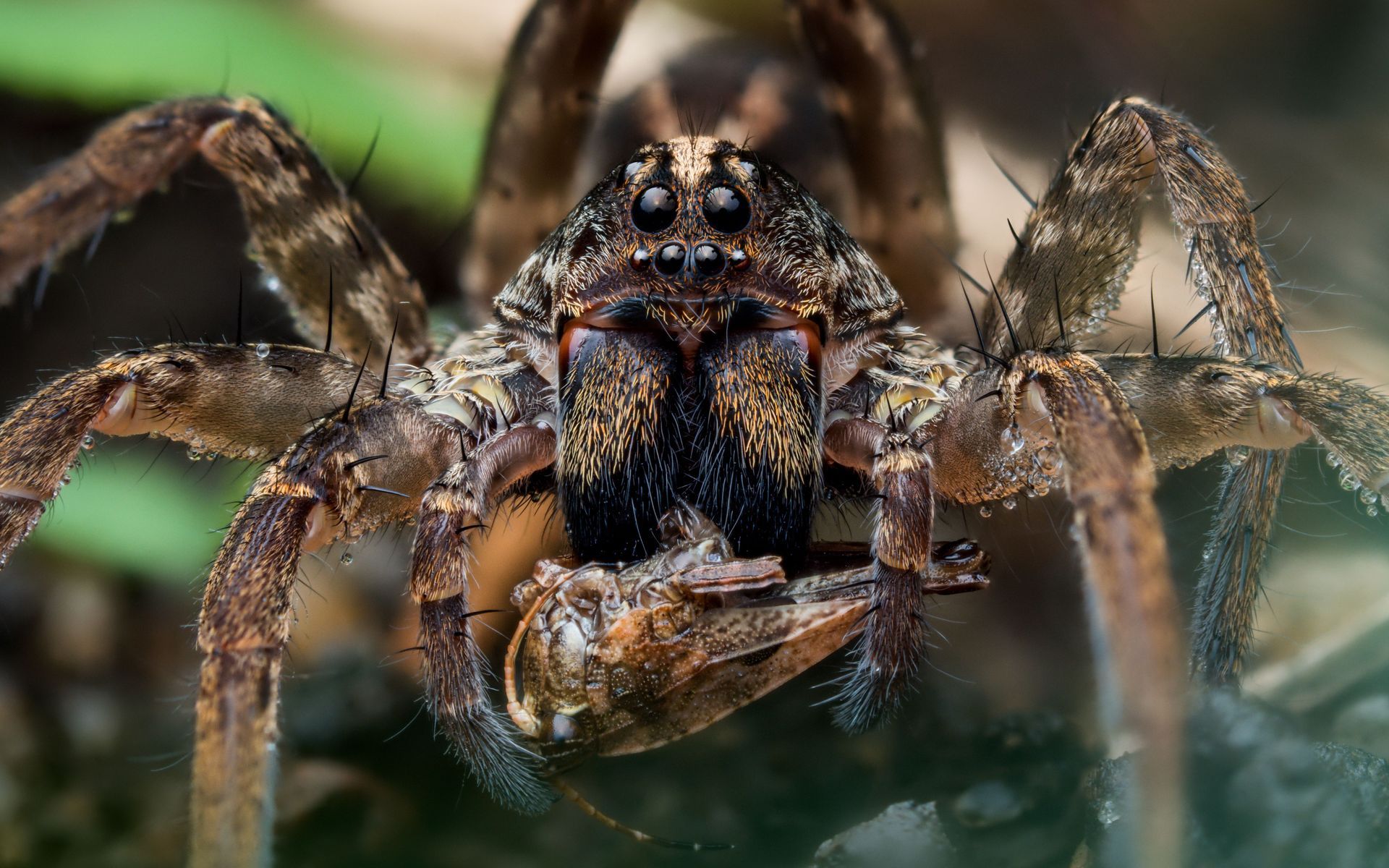
Count the eyes. A wolf spider has eight, arranged as one row of four and then two rows of two, according toUniversity of Minnesota Extension. A brown recluse has only six, grouped in three pairs.
The eye count matters more than color, because plenty of brown spiders get blamed on the recluse.Penn State Extensionsays brown recluses are established in 16 states, and Pennsylvania is not one of them. Only isolated Pennsylvania sightings have been reported, and those spiders arrive in boxes and moving items.
Wolf spider
Eyes
Eight, in rows of 4, 2 and 2
Size
Females 18 to 35 mm (0.7 to 1.4 inches)
Marks
Dark brown with gray hairs, or a narrow yellow line near the eyes
Egg sac
Carried on the spinnerets, with babies riding on her back
In Pennsylvania
Often found in homes
Brown recluse
Eyes
Six, in three pairs
Size
About 9 mm (0.35 inch) body, with long legs
Marks
Dark violin on the front body section, neck pointing back
Egg sac
Eggs laid in a round case, 20 to 50 at a time
In Pennsylvania
Not established, isolated reports
Eye diagrams are simple schematics of the arrangement, not to scale. Sources: University of Minnesota Extension and Penn State Extension.
The two wolf spiders Penn State names as the most common in Pennsylvania homes look alike at first glance. Hogna carolinensis is dark brown with scattered gray hairs, solid-colored legs, and a slightly darker stripe down the abdomen. Tigrosa aspersa has a similar body color, but a narrow line of yellow hairs near its eyes and legs banded with lighter brown at the joints. The males of Tigrosa aspersa are much lighter than the females.
If your spider has long spinnerets sticking out the back and sits near a funnel-shaped web, it is a grass spider. Funnel weavers build that web low in grass or plants, according to theUtah State Parks spider guide.
Are Wolf Spiders Poisonous, and Is a Bite Dangerous?
Not in the way people fear. Poisonous means harmful to eat or touch, and venomous means a spider injects venom when it bites. Wolf spiders are venomous, like nearly all spiders, butPenn State Extensionreports bite pain, redness and some swelling that fade within 24 hours, with no serious medical consequences noted. Bites happen when the spider is mishandled or trapped against your skin, such as inside a glove or a shoe.
A brown recluse bite is the one people fear, and the numbers are calmer than the reputation. Penn State says about 90 percent of recluse bites cause no reaction or a small red bump, about 10 percent cause a skin lesion, and under 1 percent cause illness throughout the body. It also says many reported “bites” turn out to be other problems, such as poison ivy, chemical burns, or diabetic ulcers.
24 hrsfor wolf spider bite pain and redness to fadePenn State Extension
90%of brown recluse bites cause no reaction or a small red bumpPenn State Extension
Under 1%of brown recluse bites cause illness throughout the bodyPenn State Extension
16states where brown recluses are established, and Pennsylvania is not onePenn State Extension
We are pest control, not doctors. If a sore keeps growing, or you feel sick after a bite, call your doctor. Pennsylvania does have a spider worth knowing by sight: learn to spot theblack widow in Pennsylvania.
Why Are Wolf Spiders Showing Up Inside in the Fall?
Fall is mating season, and mated females look for protected places to ride out the winter, including buildings. Penn State says the males die before winter, while the females overwinter in sheltered spots and lay egg cocoons the following May or June. The spiderlings hatch in June and July, reach only half their full size by winter, and overwinter too.
Wolf spiders hide by day in holes and tunnels in the soil, under boards and stones, in firewood, and under siding, then hunt at night, so you are more likely to meet one after dark, when it leaves its retreat. That list matches a lot of Lancaster County property. The county has 4,680 farms, according to theUSDA 2022 Census of Agriculture, so barns, sheds and woodpiles sit close to many homes.
What Should I Do When I Find a Wolf Spider in the House?
Stay calm and move it outside, because one wolf spider is usually not an infestation. Use this order:
Do not grab it or press it against your skin. Bites happen when the spider feels trapped.
Slide a cup over it, slip a stiff card underneath, and carry it outside.
If it carries a white ball or tiny spiders, move it gently instead of crushing it.
Check shoes, gloves and anything stored in the garage or basement before you put them on.
Seal gaps under doors and around siding, and keep firewood away from the house.
Call when you keep finding them indoors after you have sealed gaps and moved the firewood. A steady stream of wolf spiders usually means the hiding spots outside, or the way in, are still there.
How Do We Get Wolf Spiders Out of Your Home and Keep Them Out?
We inspect first, then clear what draws spiders in, seal the ways in, and treat the places they hide. Here is the order we follow:
Inspect inside and out. We check basements, garages, doors, windows and siding, plus the firewood, boards and clutter where wolf spiders shelter.
Clear what feeds them. We remove other insects, since spiders follow food indoors, and clear any cobwebs left by other spiders.
Seal the ways in. We look for cracks and gaps around the home that can be sealed.
Treat indoors and out. We apply a treatment in key areas such as basements, attics, doorways and windows. It removes spiders already inside and forms a barrier that keeps new ones from coming in.
Wolf spiders hide outside by day and hunt at night, so the outside treatment matters as much as the inside one. We use treatments that are safe for pets and children when applied correctly, and we tell you what we find before we recommend a plan.
You can start with a one-time treatment or add spiders to ourQuarterly Pest Control program, which also covers the other pests that move indoors in winter. Treating in fall, before wolf spiders settle in for the winter, gives you a head start. We are based in Mount Joy, our license number is BU15122, and we start with a free estimate. See how ourspider control serviceworks before you call.
Ready to stop finding wolf spiders in the house?
Schedule a spider inspection and free estimate today.
Why does the spider have a white ball or tiny spiders on its back?
The white ball is her egg sac, and she carries it attached to her spinnerets. When the spiderlings hatch, they ride on her abdomen, as University of Minnesota Extension describes. Penn State says it is common to see females carrying young on their backs during the summer months.
How big do wolf spiders get in Pennsylvania?
Wolf spiders overall run from about ¼ inch to more than 1 inch, according to University of Minnesota Extension. Penn State lists two species as the largest and most common in homes. Females of Hogna carolinensis
run 22 to 35 mm (about 0.9 to 1.4 inches), and females of Tigrosa aspersa
run 18 to 25 mm (about 0.7 to 1 inch).
A wolf spider next to a coin for scale.
Do wolf spiders spin webs to catch prey?
No. They are hunting spiders. Penn State says they build retreats in soil, under boards and stones, and in similar protected spots, and they come out at night to look for prey.
Are wolf spiders in the house bad?
One wolf spider is not a problem. University of Minnesota Extension calls them beneficial predators of insects and says they do no harm to people. Several in the same room, or a steady stream every fall, points to hiding spots or entry points that need attention.
Why shouldn’t I squish a wolf spider?
A female may be carrying her egg sac or young on her back, and Penn State says that is common in summer. Crushing her can leave young spiders loose on the floor. Carrying the spider outside with a cup and a card is the cleaner fix, and it avoids the trapped-against-skin moment that leads to bites.
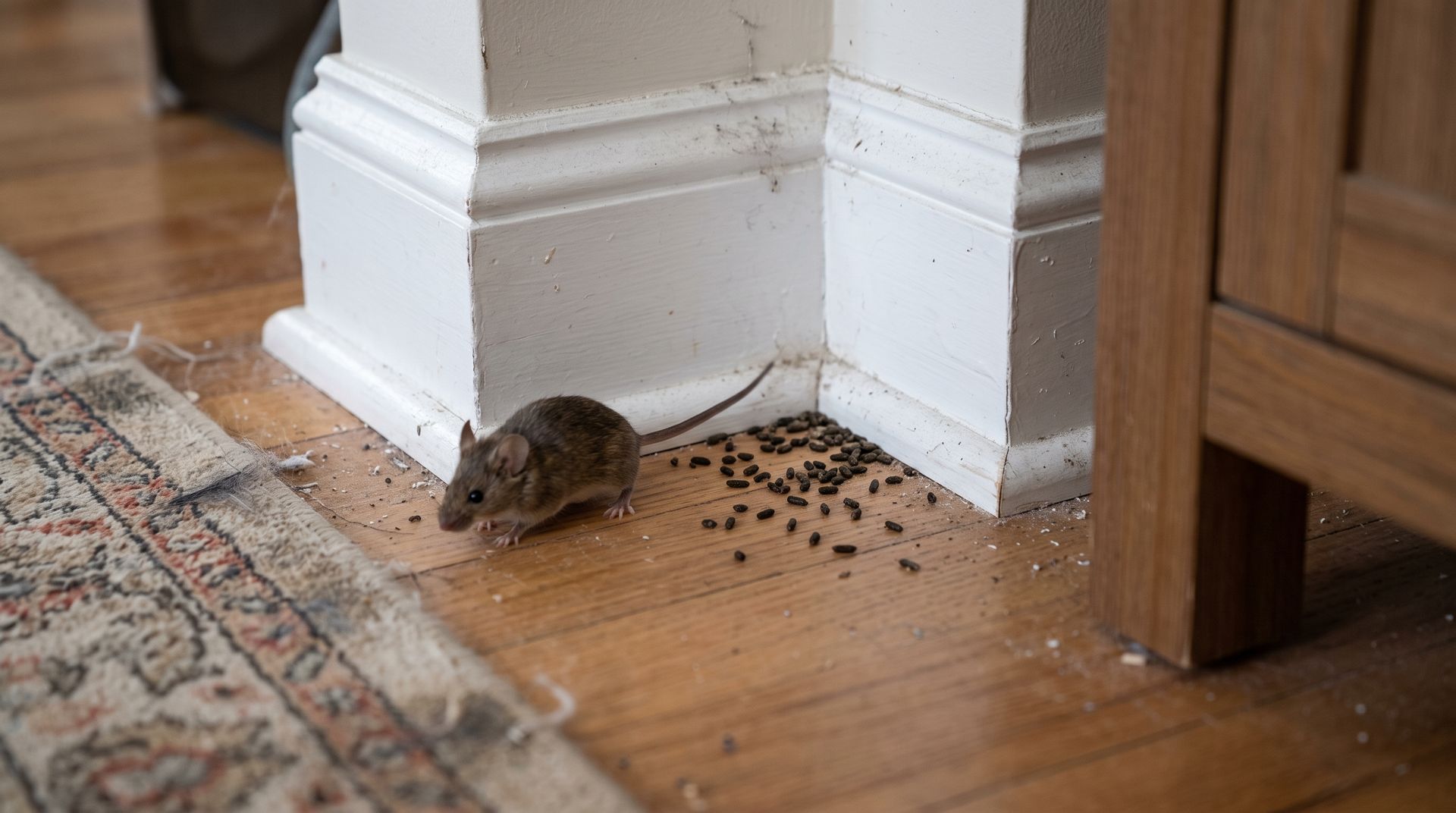
Found mouse droppings in Lancaster County? Follow PA Department of Health cleanup steps, learn what the droppings reveal, and call Keystone: (717) 653-1068.
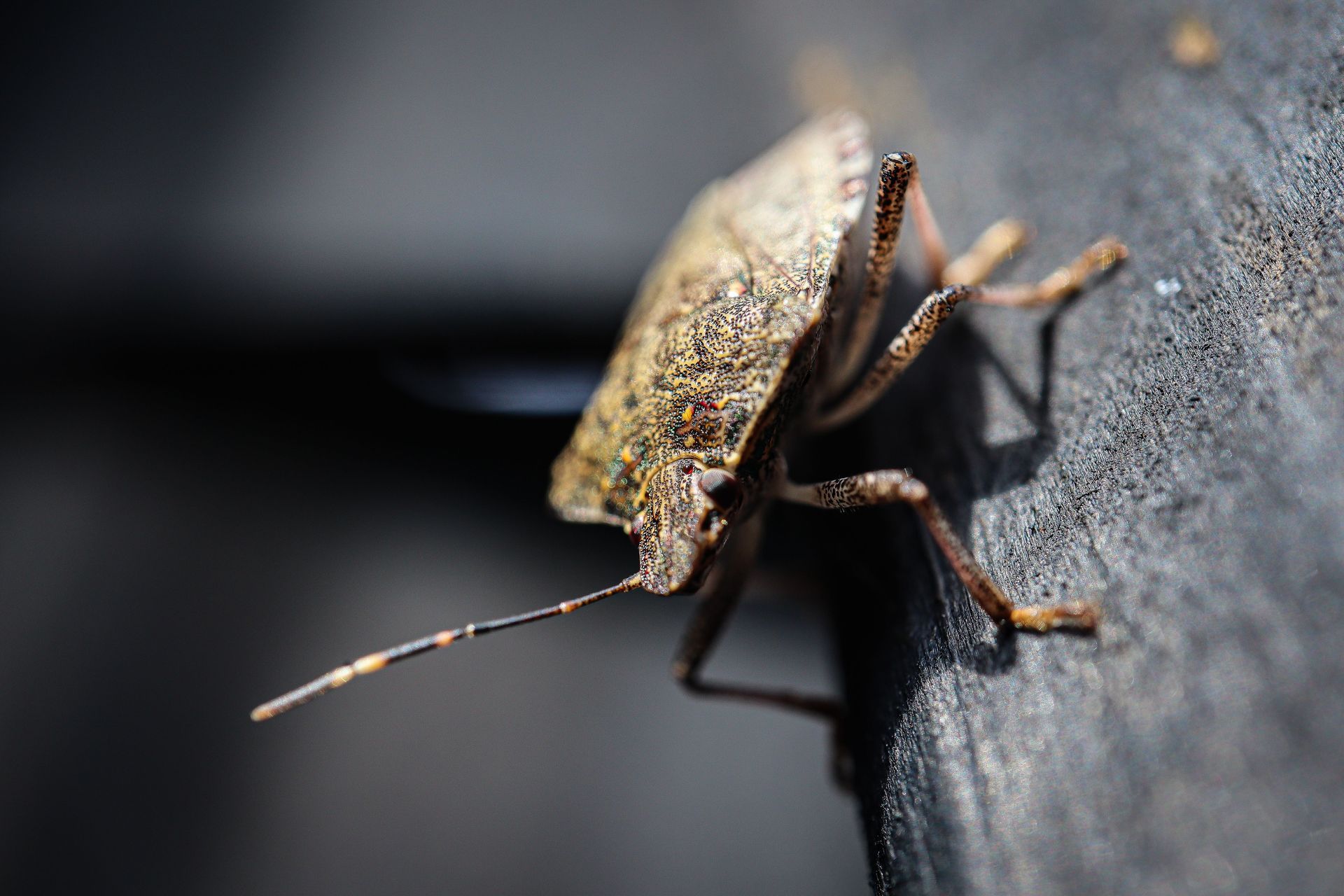
Learn when stink bugs enter Lancaster County homes, where they get inside, and practical fall prevention tips to help keep them out before winter arrives.
Back from vacation? Learn how Lancaster County families can check luggage, clothing, and bedrooms for bed bugs and know when to call a local pest expert.
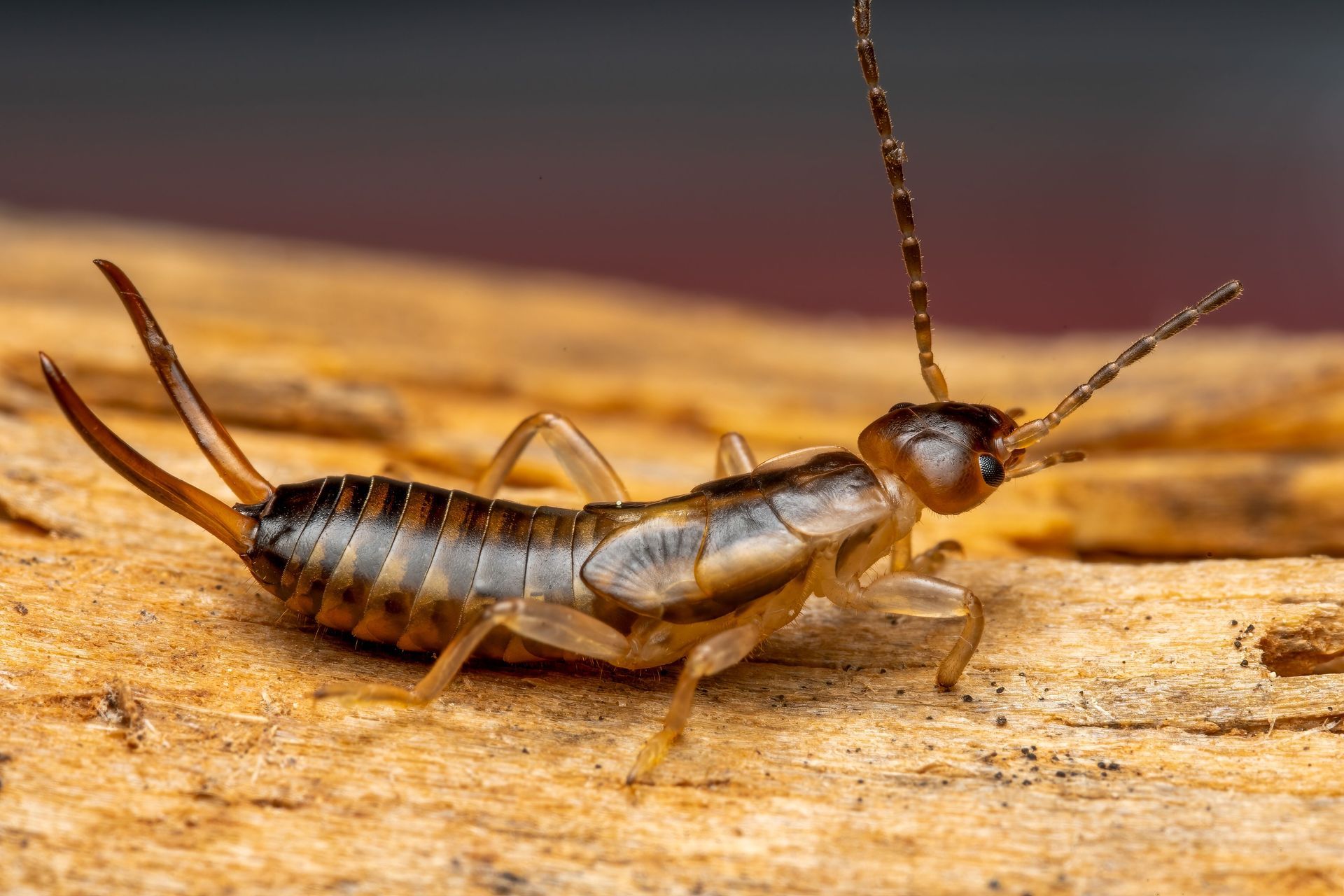
Learn why earwigs enter Lancaster County homes, which moisture and entry issues attract them, and when professional pest control is the right next step.
Protect your Lancaster County restaurant or cafe with practical pest prevention tips for rodents, roaches, ants, flies, storage areas, and entry points.
See what primarily affects pest control cost in Lancaster County, PA from one-time treatments to service plans, warranties, pests covered, and home size today.
Learn what attracts bees to Lancaster backyards in spring, how to reduce nesting risks, and when to call for professional bee removal, not extermination.